Bad-mannered behavior at Malaysia K-pop concert sparks conflict
Insults targeting appearance and culture snowball into widespread boycotts
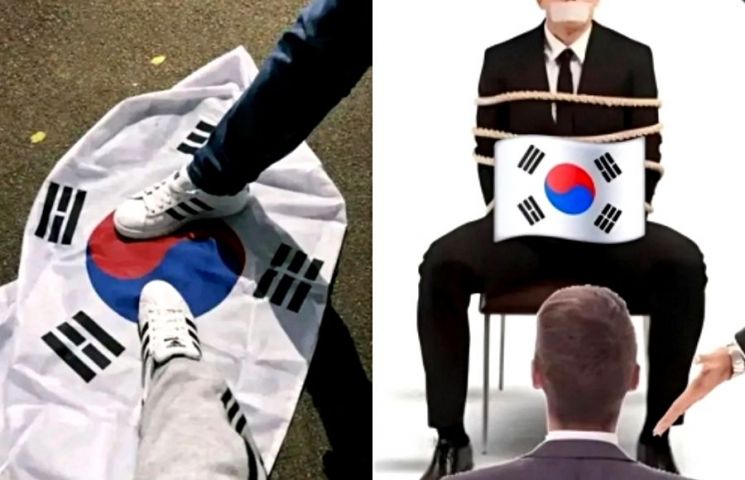
The whole of Southeast Asia has been seething with anti-Korean sentiment day after day. A conflict between Korean and Southeast Asian netizens, triggered by controversy over bad manners at a K-pop concert, has been spreading, and local media outlets are now reporting on the issue one after another, drawing attention to the situation. There are even signs of a "collective boycott" targeting Korean products and culture, raising concerns that this could become entrenched as a form of group conflict.
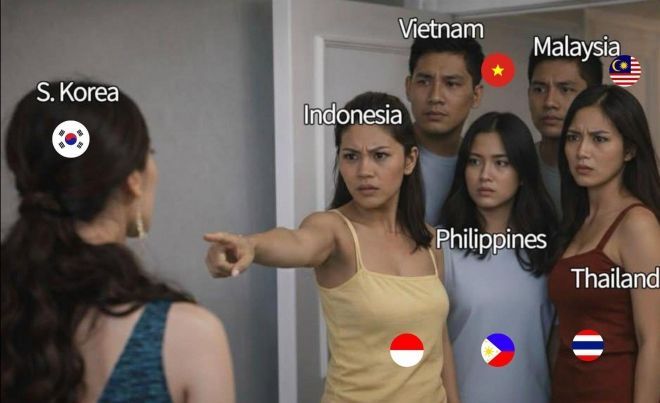
 Meme image depicting Southeast Asian countries standing in solidarity against South Korea. X screenshot
Scuffle at concert venue escalates into full-scale online hate
On the 21st (local time), major Southeast Asian media outlets such as the Jakarta Post in Indonesia reported that "posts criticizing South Korea and calling for boycotts are rapidly spreading on social media (SNS)."
The starting point of the controversy was a concert by the Korean group DAY6 held in Kuala Lumpur, Malaysia, last month. Some Korean fans used large telephoto-lens cameras that were banned from the venue and were stopped by staff, and once this scene was shared online, a flood of hate speech toward South Korea followed.
"Number one in suicide rates," "plastic surgery monsters"... rising level of criticism
As of the 23rd, some Southeast Asian netizens continue to mock and criticize Korean society as a whole. Some are posting extreme reactions such as "All Koreans are disgusting" and "A repulsive national character."
Posts disparaging South Korea by mentioning its plastic surgery culture, high suicide rate, and apartment housing environment have also appeared one after another. Provocative expressions such as "chicken-coop apartments," "concentration camp-like housing," and "plastic surgery monsters" are being shared, making the debate increasingly aggressive.
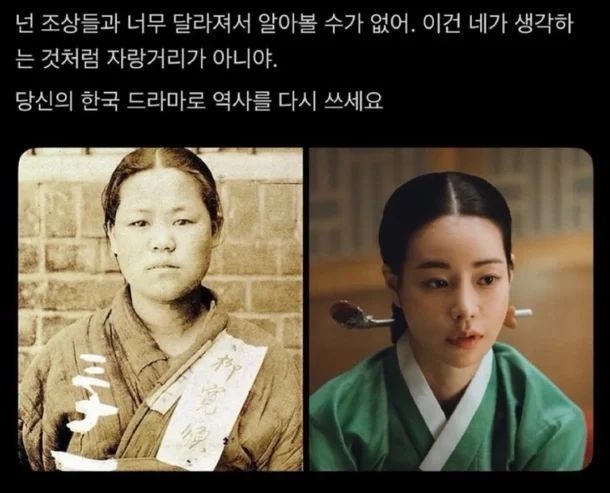 The criticism expanded beyond insulting appearance and culture to encompass historical issues. Screenshot from X.
The criticism has expanded beyond insults about appearance and culture to include historical issues. Some Southeast Asian users are claiming that "South Korea grew thanks to Southeast Asia," and there have even been cases of people posting photos of comfort women victims or independence activists in a mocking context.
'SEAbling' hashtag spreads... signs of a united boycott
On X (formerly Twitter), TikTok, Threads, and other platforms, search terms such as "Korea vs Asian" and "SEAbling" have surged in popularity. SEAbling is a portmanteau of Southeast Asia and "sibling," used as an online slogan meaning that Southeast Asian countries are uniting as one.
Users from multiple countries, including Malaysia, Indonesia, Thailand, and Vietnam, are attaching these hashtags to posts saying "Let's not buy Korean products" and "Let's stop consuming Korean dramas and K-pop." Specific brands such as Samsung Electronics smartphones and Olive Young have been mentioned by name. Local media interpret this trend as a form of "regional identity solidarity formed online" and are also paying attention to the possibility that it could translate into actual consumer behavior.
Monkey images and racial taunts... vicious cycle of mutual hate
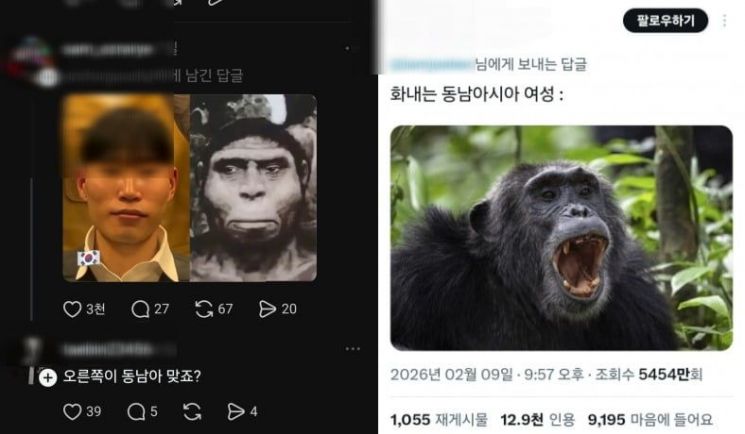 Korean netizens are also posting content that discusses the economic levels of Southeast Asian countries or denigrates races. Screenshot from X.
The situation has further deteriorated as some Korean netizens, in response, have unleashed racist attacks against Southeast Asians. Posts targeting Southeast Asian women using images of monkeys and chimpanzees are appearing, and disparaging comments about the economic power and living standards of Southeast Asian countries continue to be posted, turning the emotional clash into what is effectively a full-scale war.
A resurgence of digital nationalism?
Experts view this issue not as a simple fandom dispute but as a manifestation of "digital nationalism" that is amplified in online spaces. They point out that provocative posts spread rapidly through algorithms, making it easy for group emotions to coalesce.
Some analysts also argue that this represents a resurgence of region-based collective action grounded in online regional identity, similar to the past "Milk Tea Alliance" case, in which netizens from Hong Kong, Taiwan, and Thailand joined forces.
© The Asia Business Daily(www.asiae.co.kr). All rights reserved.
![Clutching a Stolen Dior Bag, Saying "I Hate Being Poor but Real"... The Grotesque Con of a "Human Knockoff" [Slate]](https://cwcontent.asiae.co.kr/asiaresize/183/2026021902243444107_1771435474.jpg)













