Simultaneous Activation of Two Brain Regions... Increases in Likes and Donations
"Clearer Animal Eyes and Faces Lead to Higher Engagement"
A study has found that the way people’s eyes linger on animal photos for a long time on social networking services (SNS) may not simply be a matter of personal taste, but could be an instinctive human response.
On the 17th (local time), a research team at Stanford University published a paper with these findings in the February issue of the international academic journal Proceedings of the National Academy of Sciences Nexus (PNAS Nexus).
The researchers analyzed people’s brain responses using 56 wildlife photos selected from the National Geographic Instagram account. While inside a functional magnetic resonance imaging (fMRI) scanner, 51 participants viewed the photos one by one and decided on the spot whether to press “like” or to donate to a conservation fund. The team then compared these results with the actual SNS engagement for each photo, specifically the ratio of “likes” to followers.
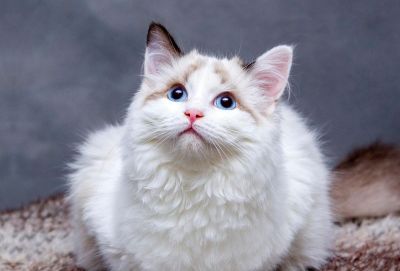
The analysis showed that two brain regions were activated simultaneously while viewing the photos. One region processes reward and anticipation, and the other evaluates the personal meaning and value of what is seen. The stronger the activity in these two regions, the more likely participants were to press “like” or choose to donate.
The effect was particularly pronounced for photos where an animal’s face was clearly visible. When the eyes were sharply depicted and the animal’s emotions could be read, brain activity increased further, and interest and willingness to donate also rose. The researchers explained that humans have an instinct to read others’ emotions and intentions, and that this trait works in the same way when looking at animals.
Based on the experimental data, the team also built a model to predict SNS engagement. They further emphasized that these findings can be practically applied to animal protection campaigns and environmental organization activities. Compared with landscape photos or message-centered images, photos that highlight an animal’s face and eyes are more likely to drive higher participation and donations.
The research team stated, “SNS is a powerful platform for capturing public attention,” adding, “Understanding what kinds of images move people emotionally can help encourage real-world prosocial behavior.”
© The Asia Business Daily(www.asiae.co.kr). All rights reserved.
![Clutching a Stolen Dior Bag, Saying "I Hate Being Poor but Real"... The Grotesque Con of a "Human Knockoff" [Slate]](https://cwcontent.asiae.co.kr/asiaresize/183/2026021902243444107_1771435474.jpg)















