Daegu Metropolitan City announced on the 10th that it will invest a total budget of 3.3 billion won, including 1.5 billion won in national funds, to improve 128 vacant houses that have been left neglected throughout the city center and are causing safety accidents and harming the cityscape.
Daegu plans to demolish old vacant houses that pose risks of safety accidents such as fire and collapse, as well as crime, and to repurpose the sites into spaces needed for residents' daily lives, thereby creating a pleasant residential environment.
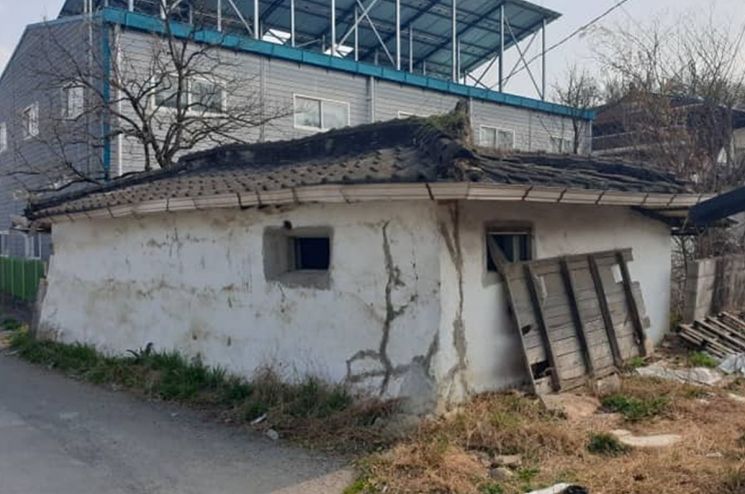
In cases where vacant houses have a high risk of safety accidents such as collapse or fire, or of crime, or are likely to be harmful in terms of sanitation, or significantly damage the urban landscape, the owners are required to demolish them or take safety measures. If they fail to comply with such orders, a non-compliance penalty may be imposed.
A vacant house refers to a dwelling in which no one has resided or used for at least one year from the date on which the mayor, county head, or district head confirms whether it is being occupied or used.
The vacant house improvement project promoted by Daegu helps reduce the burden on owners of managing vacant houses, while also preventing safety accidents and crime caused by the aging of buildings. In addition, it resolves sanitation issues such as foul odors caused by illegal dumping of various types of garbage at long-neglected vacant houses, and has the advantage of securing much-needed green spaces or parking lots in the city center without separate land purchases.
Since 2013, Daegu has been using sites where vacant houses have been demolished to create resident convenience facilities such as parking lots, pocket parks, vegetable gardens, and exercise facilities, and has received positive evaluations from residents after improving a total of 504 vacant houses through last year. This year, the city plans to improve an additional 128 vacant houses to further enhance the residential environment in a way that more citizens can tangibly experience.
Owners of vacant houses who wish to participate in the project can apply to the architecture (housing) division of the relevant district or county office. The city will comprehensively review factors such as whether the owner agrees to participate, the level of risk of safety accidents, the promotional effect of the project, the degree of improvement to the cityscape and residential environment, and the suitability of the site for convenience facilities, and then select the project targets.
In particular, if owners agree to allow the site to be used as public land for at least three years after the demolition of the vacant house, they can receive project cost support of up to 30 million won, and this year the city plans to ease the required period of public land use to lower the barrier to project participation.
In addition, tax benefits will be provided, such as reductions in property tax on land where vacant houses have been demolished, reductions in acquisition tax when a new house is built within three years after demolition, and reductions in property tax for up to five years, which is expected to ease the tax burden on owners.
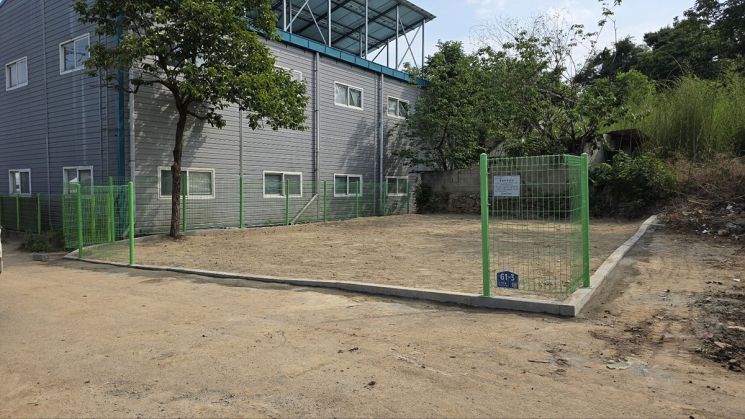
Heo Juyoung, Director General of the Urban Housing Bureau of Daegu Metropolitan City, said, "Due to low birth rates, population aging, and the decline of old downtown areas, the number of vacant houses continues to increase," adding, "We will steadily expand the vacant house improvement project to enhance residential safety and quality of life for citizens."
© The Asia Business Daily(www.asiae.co.kr). All rights reserved.
![Clutching a Stolen Dior Bag, Saying "I Hate Being Poor but Real"... The Grotesque Con of a "Human Knockoff" [Slate]](https://cwcontent.asiae.co.kr/asiaresize/183/2026021902243444107_1771435474.jpg)

















