First TEPCO nuclear plant restart since Fukushima
Control rod alarm error deemed resolved
TEPCO: "No safety issues"
Tokyo Electric Power Company (TEPCO) is reportedly planning to resume restart operations for Unit 6 of the Kashiwazaki-Kariwa Nuclear Power Plant, located in Niigata Prefecture in central Honshu, as early as the 9th. This will be the second attempt to restart the unit, after operations were resumed for the first time in about 14 years and then halted after just one day.
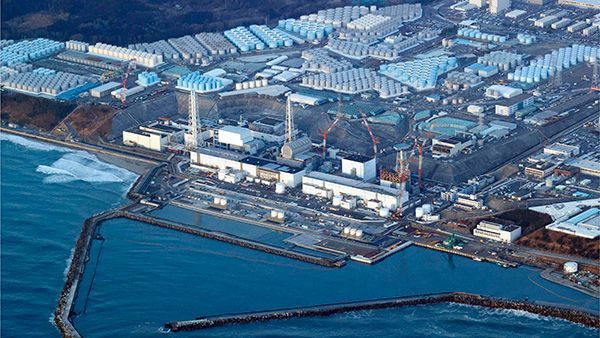
According to local media on the 5th, TEPCO restarted the Unit 6 reactor on January 21, but shut it down about 29 hours later after an alarm sounded during the process of withdrawing the control rods that regulate the nuclear fission reaction. Since then, the company has postponed the restart schedule while inspecting the cause of the problem.
TEPCO stated that it has resolved the issue by correcting a setting error in the alarm system and has concluded that there are no problems with the safety of the reactor. Japan’s nuclear regulatory authorities have also explained that the reactor’s condition is stable and that there was no external leakage of radioactive materials.
The Kashiwazaki-Kariwa Nuclear Power Plant has been shut down since the accident at the Fukushima Daiichi Nuclear Power Plant, which occurred during the Great East Japan Earthquake in 2011. Unit 6 carries significant symbolic weight as it is the first reactor TEPCO has sought to restart since the accident. Before operations were suspended, this plant was regarded as the largest in the world in terms of installed capacity.
However, concerns surrounding the restart remain. The plant has been completely shut down for 14 years, and there have been persistent indications that some operators lack sufficient on-site experience. In fact, even just before the restart, a malfunction in the control-rod alarm system was identified, leading to a previous postponement of the schedule.
The Japanese government has set a policy of raising the share of nuclear power generation again, citing energy security and decarbonization policy as reasons. If the Kashiwazaki-Kariwa plant is restarted, the share of nuclear power in Japan’s total power generation is expected to once again exceed 10%. However, as seen in this case, repeated disruptions in the initial restart process are likely to prolong debates over the safety and operational capability of nuclear plants that have been shut down for long periods.
© The Asia Business Daily(www.asiae.co.kr). All rights reserved.