"The Deadliest Protest Massacre Over Two Days"
Authorities Demand 'Bullet Fee' as Ransom for Bodies Shot Dead
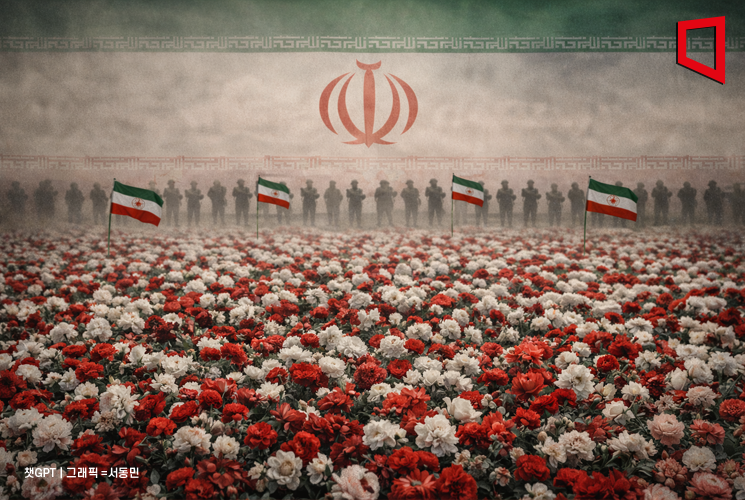
Claims have emerged that the number of deaths in Iran’s anti-government protests has exceeded 30,000. Both inside and outside Iran, there is growing criticism that the authorities’ indiscriminate crackdown has led to an unprecedented massacre. Testimonies have even surfaced alleging that Iranian authorities are demanding large sums of money as ransom in exchange for the bodies of the deceased, indicating that the political instability in Iran shows no signs of abating.
Iranian Dissident Media: "Protester Death Toll Surpasses 36,000"
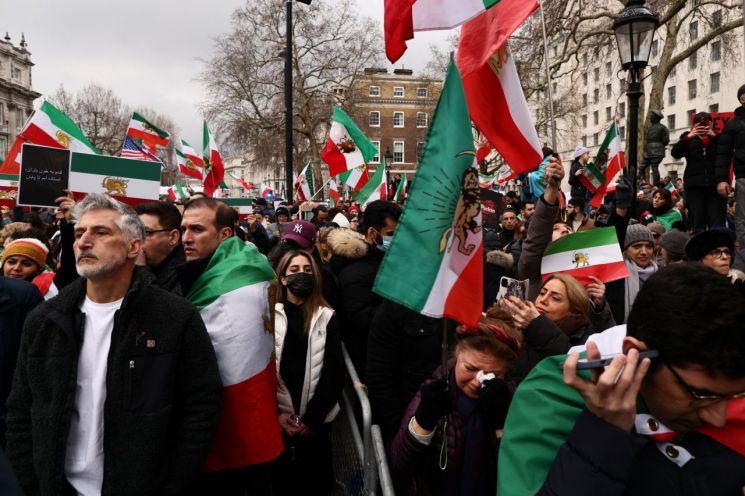
On January 26 (local time), Iranian dissident media outlet Iran International reported, "According to confidential documents we have obtained, the death toll from the crackdown on protests over the two days of August 8 and 9 is estimated to exceed 36,500," adding, "It has been recorded as the deadliest massacre during protests over a two-day period in history."
The report continued, "We have obtained detailed information provided by the Intelligence Organization of the Islamic Revolutionary Guard Corps (IRGC) to the Supreme National Security Council. Two recent reports from the Intelligence Organization recorded the number of deaths as more than 33,000 and 36,500, respectively. According to a report from the Iranian Ministry of Interior, security forces clashed with protesters in more than 400 regions, and over 4,000 points of conflict were reported nationwide. The sharp increase in the death toll in these confidential government reports raises concerns that the actual number of deaths may be even higher."
The American news magazine TIME also cited senior officials from Iran’s Ministry of Health, reporting that "the current death toll tallied in hospitals stands at 30,304." Previously, CBS in the United States estimated that the number of deaths related to the Iranian protests ranged from 12,000 to 20,000. As the protests in Iran have intensified, the death toll is believed to have surged rapidly. In contrast, the Iranian regime announced on January 21 that the number of protest-related deaths stood at just 3,117, far below the figures reported by human rights organizations.
"Iranian Military Demands Money from Bereaved Families in Exchange for Bodies"... Public Outrage Intensifies
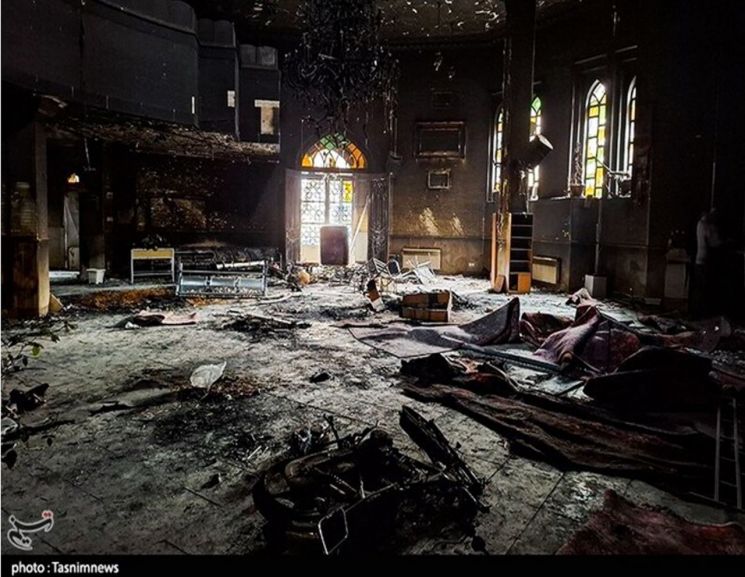
Testimonies have also emerged from within and outside Iran that the Iranian military is demanding money from bereaved families in exchange for the bodies of protesters. According to the British daily The Telegraph, the family of Farhad, who died at the hands of security forces after participating in a protest, has not yet received his body even two weeks after his death. Iranian authorities are demanding that Farhad’s family sign a document stating he was not an anti-government protester in order to reclaim his body. The authorities claim that he was a member of the security forces and was brutally killed by violent anti-government protesters.
Milad (pseudonym), Farhad’s father, told The Telegraph, "I will never sign their document," adding, "I did not raise my son to die for a dictator. He was never affiliated with any part of the regime."
The family of Javad, a 25-year-old university student, also reported that after he went out to protest with friends and did not return, they were notified by an intelligence official on the fifth day that he had been killed by other protesters. The intelligence agency informed the family that Javad had already been buried and showed them his grave, which was located in a security forces’ area during the protest. Javad’s uncle told The Telegraph, "He was not killed by protesters," and insisted, "He is not a martyr of the Islamic Republic."
According to reports from The Telegraph and the Organized Crime and Corruption Reporting Project (OCCRP), an international investigative journalism organization, there have been repeated testimonies that Iranian authorities are treating the bodies of anti-government protesters as commodities for financial transactions. One bereaved family was forced to pay more than 8,000 pounds (approximately 15 million won) to recover the body of a loved one, while another family paid 16,000 pounds to receive the body.
The Telegraph analyzed that these "ransom" demands appear not merely to be for profit, but to test the willingness of families to submit to the regime. If the family does not pay and demonstrate submission to the authorities, they may never be able to recover their loved one’s body.
A source interviewed by OCCRP said, "The family of a woman who was shot in the neck received her body only after she was recognized as a bystander, not a protester, and thus was not charged. If considered a protester, authorities demand $7,000 (about 10.13 million won) as a 'bullet fee' and prohibit funeral services."
© The Asia Business Daily(www.asiae.co.kr). All rights reserved.
![Clutching a Stolen Dior Bag, Saying "I Hate Being Poor but Real"... The Grotesque Con of a "Human Knockoff" [Slate]](https://cwcontent.asiae.co.kr/asiaresize/183/2026021902243444107_1771435474.jpg)


















