Calls to Classify Dietary Fiber as an Essential Nutrient
Recommended Daily Intake for Adults: 20?25g
For the first time in about 50 years, there has been a call to classify 'dietary fiber' as an essential nutrient at the international level.
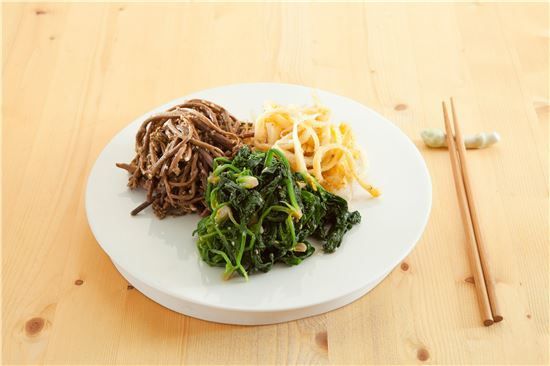
Recently, a team of nutrition researchers at the University of Otago in New Zealand published a paper in the international journal 'Nature Food' arguing for the essential nutrient status of dietary fiber. The researchers stated, "Dietary fiber provides clear health benefits, is not synthesized in the body, and its deficiency results in a functional deficit," adding, "It meets the criteria for an essential nutrient." This conclusion was drawn from a comprehensive review of clinical trials and meta-analyses regarding the chemical and physical properties, physiology, and metabolic effects of dietary fiber.
Essential nutrients are those that are necessary to sustain life. The three main essential nutrients are carbohydrates, proteins, and fats. The criteria for being recognized as an essential nutrient are: it must be beneficial to the human body, not synthesized internally, and its deficiency must result in a measurable abnormal state. Until now, dietary fiber met the first two conditions, but was excluded from the list of essential nutrients because its deficiency state was unclear.
The researchers found the answer to this issue through studies on gut microbiota. Co-author Professor Jim Mann explained, "Gut microbiota rely almost exclusively on dietary fiber as an energy source. When intake is low, the function of gut microbiota declines, but it recovers when intake increases." This means that reduced gut microbiota function is a measurable indicator of dietary fiber deficiency.
The researchers argued that increasing dietary fiber brings greater health benefits than increasing other essential nutrients. Their analysis showed that higher dietary fiber intake leads to improvements in weight, blood sugar, cholesterol, and blood pressure, demonstrating clear health effects. In the long term, it also reduces the risk of diabetes, cardiovascular disease, colorectal cancer, and premature death.
The researchers predicted that if dietary fiber is recognized as an essential nutrient, it would strengthen dietary guidelines, nutrition education, and medical recommendations, while also prompting food manufacturers to develop and label high-fiber products, thereby reducing the burden of chronic diseases. Associate Professor Andrew Reynolds advised, "You can significantly increase your intake by partially replacing meat with beans or focusing on a whole grain-based diet." He suggested eating mixed grain rice with quinoa or barley instead of white rice, and adding beans and vegetables to dishes.
The recommended daily intake of dietary fiber is 20 to 25 grams for men and 20 grams for women. To check if your diet includes adequate fiber, you can monitor your physical condition after meals. It is helpful to check whether digestion is smooth and whether your stool is neither too loose nor too hard. However, people who usually consume little dietary fiber should be cautious, as suddenly increasing fiber intake may cause bloating or indigestion.
© The Asia Business Daily(www.asiae.co.kr). All rights reserved.
![Clutching a Stolen Dior Bag, Saying "I Hate Being Poor but Real"... The Grotesque Con of a "Human Knockoff" [Slate]](https://cwcontent.asiae.co.kr/asiaresize/183/2026021902243444107_1771435474.jpg)















