Suspect Iron Deficiency Anemia, Stress, or Anxiety
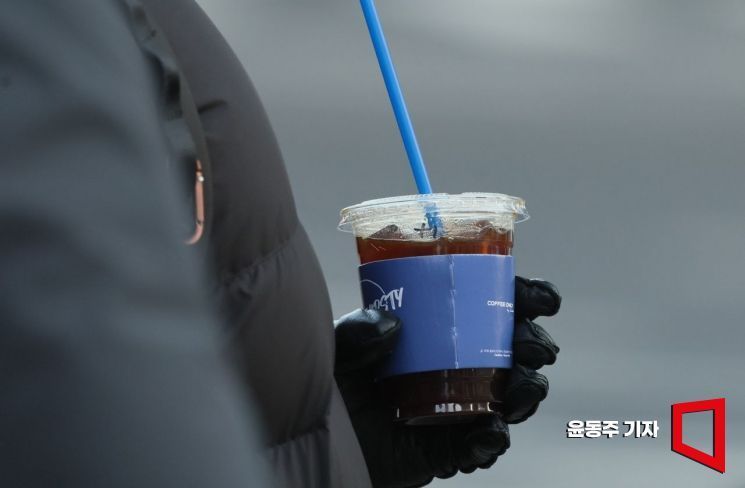
Even when a cold wave brings Seoul's morning low to minus 13 degrees Celsius, if someone insists on drinking iced Americano despite the freezing weather-a phenomenon known as "Eoljuka" (short for "Iced Americano even if I freeze to death")-it may be worth checking whether there is an underlying health condition.
According to research from Minnesota State University in the United States, over 60% of patients with iron deficiency anemia exhibited symptoms of ice addiction. Iron deficiency anemia refers to a condition where the amount of iron needed for red blood cell production is insufficient, resulting in hemoglobin levels below the normal range. It is known that the chills experienced when chewing ice increase blood flow to the brain, providing more oxygen and giving anemia patients a sense of symptom relief. When the researchers provided iron supplements to these patients, they no longer craved ice.
Another possible reason for craving ice is dehydration or dry mouth. When the body needs hydration, eating cold ice can provide a stronger sense of quenching thirst.
Some experts believe that stress, anxiety, or obsessive tendencies can also lead to ice addiction. During stressful situations, tension causes blood vessels to constrict and the heart to beat faster. The cold sensation may help relax the body and provide a sense of calm, while the repetitive act of chewing can contribute to psychological comfort. Therefore, people suffering from chronic stress may try to relieve mental pressure by crunching on ice.
Even if there is no underlying medical condition, the habit of eating large amounts of ice can cause digestive issues. Blood vessels constrict more in cold weather, and drinking cold beverages causes the gastrointestinal tract to contract rapidly. As a result, symptoms such as ▲abdominal pain ▲diarrhea ▲heartburn ▲gastric cramps may occur.
Drinking iced beverages in cold weather also weakens the immune function of the mucous membranes in the mouth and throat. This can lead to sore throat or pharyngitis. While cold drinks do not directly cause colds, they can lower immunity, making the body more susceptible to catching a cold.
There can also be problems for your teeth. Because ice is hard, repeatedly chewing it can cause microcracks, and if you already have cavities or other dental issues, the cracks can become much larger. Dental specialists at the University of Pennsylvania School of Dental Medicine emphasize that chewing ice puts excessive pressure on the temporomandibular joint, which can result in pain or functional disorders.
Experts advise that if you must drink iced beverages even in cold weather, you should avoid doing so on an empty stomach, limit it to once a day, and alternate with lukewarm water.
© The Asia Business Daily(www.asiae.co.kr). All rights reserved.
![Clutching a Stolen Dior Bag, Saying "I Hate Being Poor but Real"... The Grotesque Con of a "Human Knockoff" [Slate]](https://cwcontent.asiae.co.kr/asiaresize/183/2026021902243444107_1771435474.jpg)















