Mayor Oh Sehoon, Day 2 of the 2026 Work Report
Unveiling Strategies for Transportation, Leisure, and Smart Infrastructure
Festivals and Cultural Content... Completing the 'Cultural City'
Transforming Seoul into an 'Exercise Zone'... Full Launch of '9988' Initiative
The Seoul Metropolitan Government will develop the Hangang River as a key driver to achieve its goal of becoming a 'Global Top 5 City.' The Hangang River will feature pickleball courts, a favorite of Bill Gates, and swimming pools accessible year-round. The number of 'Fun Stations,' exercise-themed spaces within subway stations, will also increase. The city aims to make the Hangang River a destination for both Seoul residents and tourists.
On the afternoon of January 21, Seoul Mayor Oh Sehoon received a New Year's work report from the Future Hangang Headquarters, the Culture Headquarters, and other departments. The meeting was intended to devise strategies that organically connect culture, design, and tourism policies with the Hangang River as the central axis, thereby enhancing Seoul's brand value and appeal.
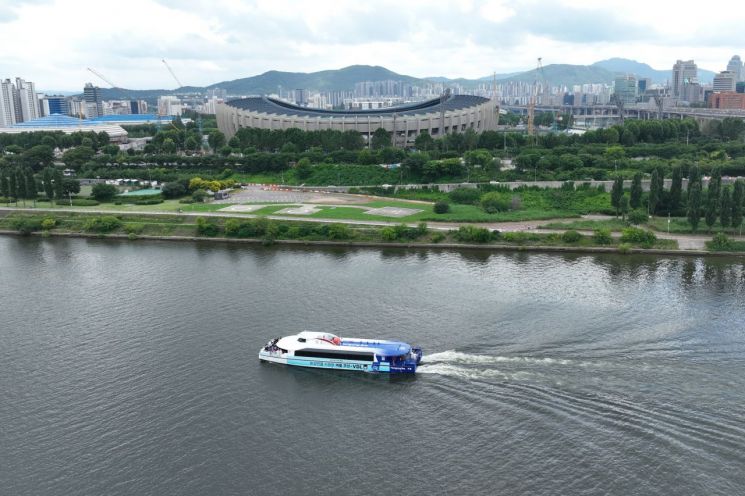
The Future Hangang Headquarters announced that this year will mark the beginning of the Hangang River's transformation into a core driver for Seoul to become a 'Global Top 5 City,' and pledged to steadily implement the 'Great Hangang Project.'
The Ttukseom Jabeolle will be upgraded into 'Hangang Pleple,' an experiential multi-cultural space, and its role will be expanded as a key cultural hub linked to the Hangang Bus. Additionally, the city will expand sports infrastructure along the Hangang River, including swimming pools, pickleball courts, and gyms that can be used year-round, creating waterfront leisure spaces for all citizens. By fully launching the Hangang Bus service, Seoul aims to usher in a stable era of water transportation, and to establish the Hangang River as a global waterfront tourism hub through proactive safety infrastructure improvements and enhanced convenience facilities.
The Culture Headquarters stated that its main focus this year is to broaden access to high-quality cultural and artistic experiences that permeate citizens' daily lives. To this end, the city will expand cultural infrastructure in underserved areas such as northern and southwestern Seoul, including a second Sejong Center for the Performing Arts, as well as municipal libraries and art museums. In addition, the city plans to increase the number of high-quality art performances to 3,700 annually, including 'Stage Hangang' performances on the Hangang River in Yeouido and Ttukseom, 'Outdoor Opera' events at city centers, palaces, and museums, and 'After-Work Concerts.'
The Tourism and Sports Bureau aims to make Seoul a 'city people want to stay in' by offering festivals and cultural content that citizens and tourists can enjoy year-round. The city will showcase Seoul's unique appeal to the world through events such as the Seoul Spring Festa, which takes place mainly along the Hangang River; the global summer festival 'Relax Hangang Triple Festival'; the autumn culinary events 'Seoul Barbecue Festa' and 'Seoul Gourmet Week'; and the pinnacle of performing arts, 'Autumn Festa.'
To realize 'A Healthier Seoul 9988,' the city will also launch the 'Exercise Zone' project, which transforms all of Seoul into one giant sports field. The city will add 10 more exercise-themed Fun Stations to the four currently operating at stations such as Yeouinaru Station, and will establish a dedicated lounge for cyclists, the 'Hangang Bicycle Center,' at the Jamsil and Ttukseom Hangang Bus piers.
Seoul will also expand indoor and outdoor park golf courses across the city to promote seniors' health. By opening up school sports facilities, the city will secure more exercise spaces for local residents. From sports spaces and habit formation to professional coaching services, Seoul plans to establish a 'Seoul-Style Health Package' model.
The Design Policy Office plans to spread the value of 'Seoul-ness' worldwide by improving the nightscape of Cheonggyecheon, installing a 360-degree observatory on Namsan, and incorporating public design into the four major tributaries and Hangang parks. The city also unveiled plans to gradually create waterfront landscapes where citizens want to stay, including installing specialized lighting at Ttukseom Hangang Park and creating a 'Lake of Light' around the Oksu Pier area.
Mayor Oh stated, "When the transformation of urban spaces that begins with the Hangang River is organically combined with culture, tourism, and design content, Seoul's appeal will become even stronger. Since Seoul's competitiveness starts with the daily lives of its citizens, we will implement policies swiftly to make Seoul a city that attracts people from around the world, where citizens want to stay, and where daily life is enriched."
© The Asia Business Daily(www.asiae.co.kr). All rights reserved.
![Clutching a Stolen Dior Bag, Saying "I Hate Being Poor but Real"... The Grotesque Con of a "Human Knockoff" [Slate]](https://cwcontent.asiae.co.kr/asiaresize/183/2026021902243444107_1771435474.jpg)















