Ministry of Agriculture, Food and Rural Affairs Establishes Third Basic Plan for Fostering and Supporting Rural Convergence Industries
Certified Rural Convergence Industry Operators to Expand to 4,000 by 2030
K-Gastronomy Belt to Be Commercialized as Tourism Products Linked with Local Tourism Resources
The government has decided to expand the scope of rural entrepreneurship policies by including programs such as rural stay and leisure activities utilizing rural facilities, as well as culinary culture experiences, in the certification criteria for rural convergence industries. The aim is to increase the number of certified rural convergence industry operators from a cumulative total of 2,525 as of 2024 to 4,000 by 2030.
The Ministry of Agriculture, Food and Rural Affairs announced on January 20 that it has established the third "Basic Plan for Fostering and Supporting Rural Convergence Industries" containing these measures.
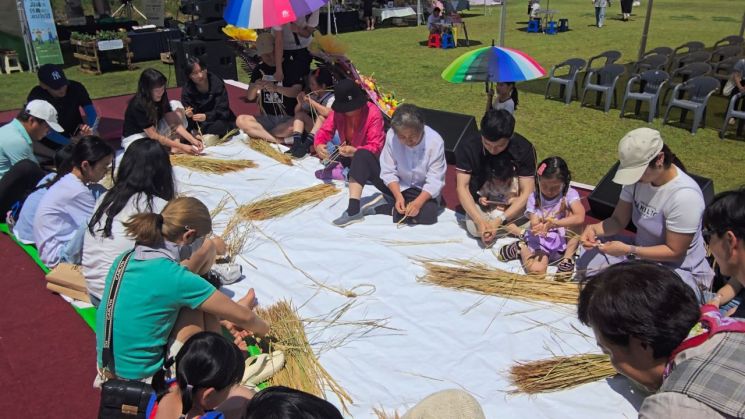
An official from the Ministry of Agriculture, Food and Rural Affairs explained, "This plan was developed in recognition of the need to actively leverage recent trends such as youth entrepreneurship in rural areas and changes in urban lifestyles to revitalize rural economies," adding, "The plan outlines key directions for promoting rural entrepreneurship and tourism."
First, the government will expand the policy targets for rural entrepreneurship and strengthen support so that various forms of rural startups can thrive. The current focus on economic activities utilizing agricultural products will be broadened to include economic activities that make use of both tangible and intangible rural resources. To this end, economic activities such as stay and leisure programs using rural facilities, culinary culture experiences, and branding and marketing of regional agricultural specialties will be newly included in the rural convergence industry certification system.
The government also plans to establish regional rural entrepreneurship networks and institutionalize networking opportunities such as forums and performance-sharing events, thereby facilitating information exchange, sharing, and mutual cooperation among rural entrepreneurs. In addition, it will survey and provide information on various local resources available for rural startups, including unused facilities, traditional and cultural heritage, culinary culture, landscapes, and ecological resources, and will strengthen tailored support according to the growth stage of rural entrepreneurship (rural convergence industry).
Efforts will also focus on linking diverse rural resources such as K-Gastronomy and K-Culture to vitalize rural tourism. The K-Gastronomy Belt will be commercialized as a tourism product in connection with local tourism resources, and themed tourism maps will be produced and promoted. The government will also identify tourism resources linked to K-Culture that can only be experienced in rural areas, as well as K-Gastronomy resources (such as traditional and trending Korean cuisine and farm restaurants), and develop related tourism courses and products. A wide-area rural tourism belt model will be developed and operated by connecting various rural tourism resources such as rural experience villages and facilities, the East-West Trail, traditional culture, farm restaurants, traveling breweries, and healing forests. In line with rural tourism trends (such as the preference for escaping daily life, relaxation, and healing), support for developing a variety of themed tourism content and products will also be expanded.
Various measures will be implemented to increase public interest in and accessibility to rural tourism and experiences. Public participation content will be created and disseminated, such as nationwide rural tourism promotional video contests and stamp tours of rural star villages selected by the public, using rural tourism and resources as themes. Additionally, the "Rural Tourism Week" (offering discounts on rural tourism products, promotional events, etc.) will be held regularly (by season), and collaboration with related organizations will be actively pursued to increase public interest and the effectiveness of "Rural Tourism Week."
In particular, to promote rural tourism in depopulated areas, benefits such as discounts on rural tour passes when traveling to regions including depopulated rural areas will be expanded. To improve the quality of rural accommodations, which are representative lodging facilities in rural areas, amendments to the Act on Exchange between Urban and Rural Areas will be pursued to relax entry restrictions for rural guesthouses, expand the scope of meal services, and institutionalize the use of vacant homes for guesthouse businesses.
Park Sungwoo, Director General of Rural Policy at the Ministry of Agriculture, Food and Rural Affairs, stated, "We will actively implement the key tasks of this third Basic Plan for Fostering and Supporting Rural Convergence Industries to achieve tangible results," adding, "We will also continue efforts to further advance policies, such as upgrading the support system for rural entrepreneurship."
© The Asia Business Daily(www.asiae.co.kr). All rights reserved.

















