The Hidden Risks of the Sauna Boom
A Checklist More Important Than Just "Sweat"
After a period of decline following the COVID-19 pandemic, saunas are once again bustling with people.
In the past, it was considered a cultural tradition to visit a public bathhouse at the start of the new year to cleanse away the old and welcome new fortune.
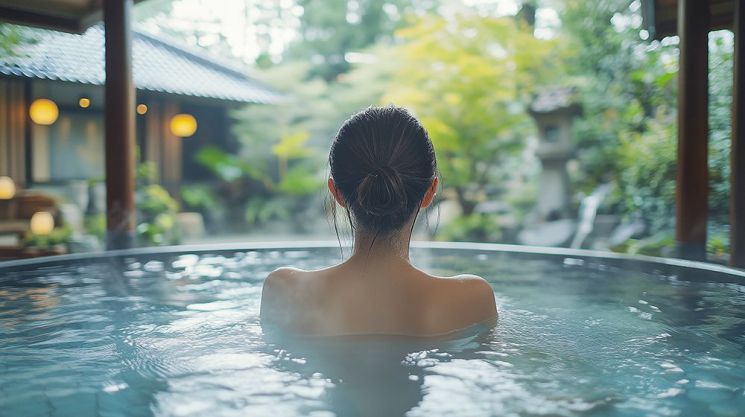
Recently, sauna culture has been regaining attention, especially among Millennials & Gen Z. Saunas are evolving beyond mere spaces for sweating, transforming into healing destinations and entertainment complexes through various forms such as local sauna tours, single-person scrubbing shops, private saunas, unique themed saunas, and wellness saunas.
For example, a sauna in the United States operates as a multi-purpose facility, combining healing programs like sound baths and high-pressure oxygen rooms. In Shanghai, China, facilities have emerged where visitors can relax in a bath, enjoy a hot pot buffet, and access a variety of entertainment options such as reading rooms, nail salons, and karaoke rooms.
In Korea, celebrities such as Han Go-eun, who enjoys forest saunas, and Choi Hwa-jung, who visits event baths featuring various medicinal ingredients like mugwort, kelp, and chrysanthemum, are drawing attention for their preferences, reflecting the new trends in bathing culture.
However, despite these evolving forms, the physical strain of high-temperature environments remains unchanged, so caution is necessary to enjoy saunas safely.
Bathhouses, jjimjilbangs, and saunas are considered public bathing facilities, where many people gather to wash, warm up, and relax using hot water, heat, and steam.
In a warm environment, body temperature rises, blood vessels dilate, and blood flow can improve, while muscle relaxation may help alleviate stiffness or tension-related pain. Additionally, saunas can positively influence autonomic nervous system balance, aiding in fatigue recovery and stress relief, and body temperature changes may contribute to better sleep. Furthermore, as mobile phone use is naturally restricted, saunas offer a chance to focus on oneself and experience deep relaxation and healing.
Despite these benefits, there are also important precautions. Excessive sweating without adequate hydration can lead to loss of body fluids and electrolytes, potentially causing headaches or dizziness. Rapid temperature changes, such as alternating between hot and cold baths, can cause blood pressure fluctuations and place stress on the cardiovascular system, so care is required.
Moreover, because these are shared spaces, there is a risk of spreading skin infections such as folliculitis, athlete's foot, or warts, making personal hygiene management essential.
Particularly, individuals with a history of cardiovascular diseases-including hypertension, hypotension, angina, heart failure, arrhythmia, or myocardial infarction-or cerebrovascular diseases such as stroke, should consider restricting sauna use, as it can put excessive strain on the heart and blood vessels. Older adults, pregnant women, people with diabetes or chronic illnesses, and those with skin conditions such as atopic dermatitis or psoriasis are also considered high-risk groups and should use saunas with extra caution.
Additionally, it is advisable to avoid using saunas after consuming alcohol, when fatigued, sleep-deprived, feverish (such as with a cold), immediately after a meal, or while fasting.
Kim Yunmi, Director of the Comprehensive Health Screening Center at Daedong Hospital (Family Medicine Specialist), advised, "While the forms of public bathing facilities have changed with the times, their essence remains a high-temperature environment. To ensure that a sauna is a source of healing rather than risk, it is important to use it according to your health condition. High-risk individuals should carefully consider usage, maintain adequate hydration, observe appropriate time limits, and immediately stop and rest if any discomfort is felt."
When using public bathing facilities, it is crucial to drink plenty of water to prevent dehydration. Rather than staying in the high-temperature environment for long periods at once, it is better to divide sessions into shorter intervals and take breaks in between.
It is also advisable to gently warm up with light stretching before using the facilities and to avoid sudden temperature changes when moving between hot and cold baths by adapting gradually. If possible, use personal towels and pay attention to personal hygiene by thoroughly washing and drying your feet.
If you experience dizziness, chest pain, or extreme fatigue while using the facilities, you should stop immediately and rest. If symptoms do not improve after resting, seek medical attention without delay.
Above all, adjusting your usage time according to your health status and avoiding overexertion is the most important way to enjoy public bathing facilities safely.
© The Asia Business Daily(www.asiae.co.kr). All rights reserved.
![Clutching a Stolen Dior Bag, Saying "I Hate Being Poor but Real"... The Grotesque Con of a "Human Knockoff" [Slate]](https://cwcontent.asiae.co.kr/asiaresize/183/2026021902243444107_1771435474.jpg)















