Working-level Talks Underway After Korea-China Summit
Animal Welfare Groups: "Transferring Endangered Species Is Abuse"
As the government begins earnest discussions to bring in an additional pair of giant pandas from China, concerns over animal welfare are growing. While the government continues working-level consultations through diplomatic channels, animal protection groups are demanding the withdrawal of the plan, arguing that using endangered wildlife as symbols of diplomatic achievement fundamentally violates the principles of animal welfare.
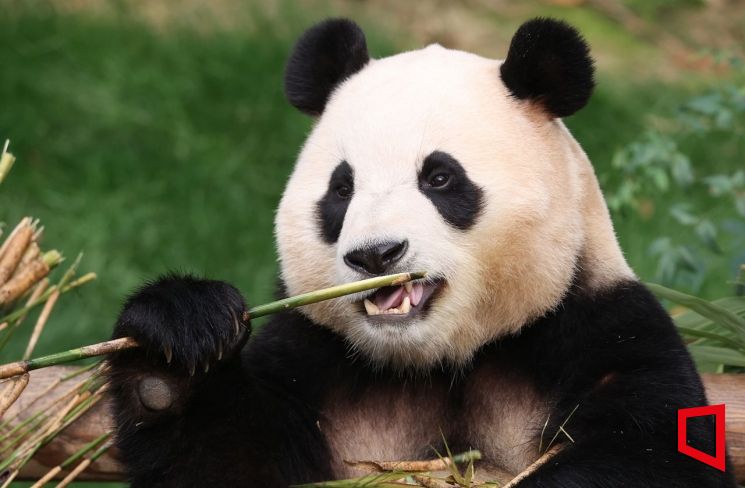
President Lee Jaemyung recently conveyed his intention to lease additional giant pandas to Chinese President Xi Jinping during the Korea-China summit held in Beijing. Since then, working-level contacts have continued between the environmental authorities of both countries, and discussions are currently underway, led by the Ministry of Foreign Affairs. The Ministry of Climate, Energy and Environment is also preparing follow-up talks with the Chinese side, and a government delegation is scheduled to visit China soon to continue related negotiations.
An official from the Ministry of Climate, Energy and Environment stated, "We are providing administrative support for the consultations led by the Ministry of Foreign Affairs," and added, "We are continuously exchanging opinions with the Chinese environmental authorities through environmental staff dispatched to the Korean Embassy in China."
The giant panda, with a global population of fewer than 2,000 individuals, is a rare species and one of the most strictly protected animals internationally. Under the Convention on International Trade in Endangered Species of Wild Fauna and Flora (CITES), commercial transactions are fundamentally prohibited, but non-commercial loans for research and conservation purposes between countries are exceptionally permitted. This is the background for China's so-called "panda diplomacy" using such arrangements.
However, domestic animal welfare groups are raising issues with this very approach. More than ten organizations, including the Animal Welfare Issues Research Institute Aware, recently issued a joint statement, saying, "Transferring wild animals as if they are the spoils of diplomacy between nations disregards the survival and welfare of the animals," and added, "In particular, transporting animals to unfamiliar environments can cause them extreme stress and deteriorating health."
They also referenced past cases. Citing the example of the panda 'Fubao,' who was born and beloved in Korea but exhibited signs of anxiety and abnormal behavior after returning to China, they pointed out that transfers for exhibition purposes can have long-term negative effects on the animals.
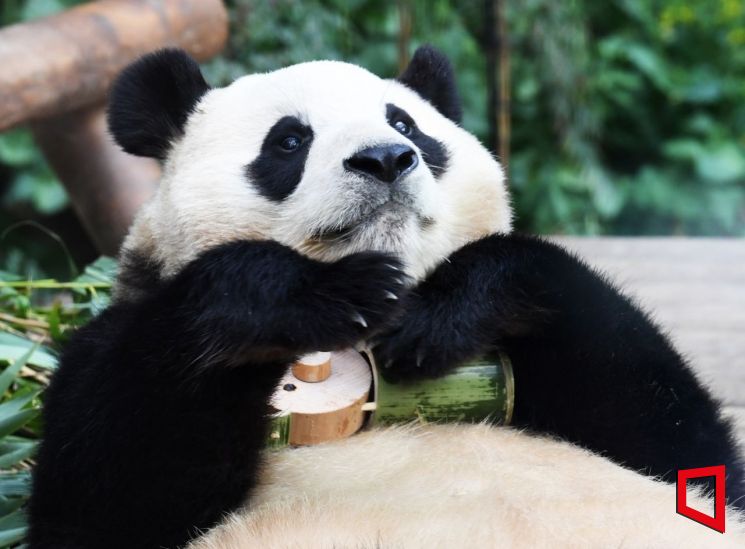
Alongside the discussion of additional panda leasing, criticism of the domestic zoo environment is resurfacing. According to the results of the first nationwide zoo animal welfare survey conducted by the Ministry of Climate, Energy and Environment last year, most of the approximately 100 facilities evaluated fell far short of the required standards. Only a handful met the minimum welfare criteria, while nearly half of the zoos received low scores.
Some organizations criticize, "Bringing in new exhibition animals when even the basic husbandry conditions at domestic zoos have not been improved is a misguided policy priority." In particular, with the possibility that hundreds of billions of won in budget could be spent to attract pandas, there are also voices questioning, "Is it appropriate for taxpayers' money to be used for animal exhibitions?"
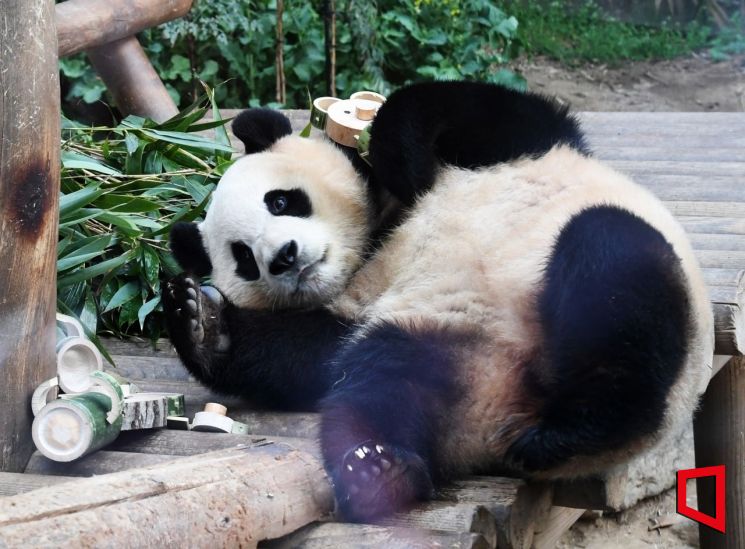
Animal organizations are calling for a shift in policy direction. They emphasize, "If this administration is the first to make animal welfare a national policy agenda, it should prioritize improving the quality of life for existing exhibition animals and addressing urgent animal issues over new panda lease discussions." Attention is now focused on what conclusion will be reached regarding the additional panda lease, and what choice the government will make between animal welfare principles and diplomatic policy.
© The Asia Business Daily(www.asiae.co.kr). All rights reserved.
![Clutching a Stolen Dior Bag, Saying "I Hate Being Poor but Real"... The Grotesque Con of a "Human Knockoff" [Slate]](https://cwcontent.asiae.co.kr/asiaresize/183/2026021902243444107_1771435474.jpg)

















