Selected by Germany's "Worst Word" Committee
"Sondervermogen" refers to federal infrastructure investment budget
In reality, a method of debt financing
The term Sondervermogen, referring to a special fund created by the federal government through borrowing to invest in infrastructure, was chosen as Germany's "worst word" of the past year. On January 13 (local time), Yonhap News reported, citing dpa, that the judging committee for the "worst word" made this selection.
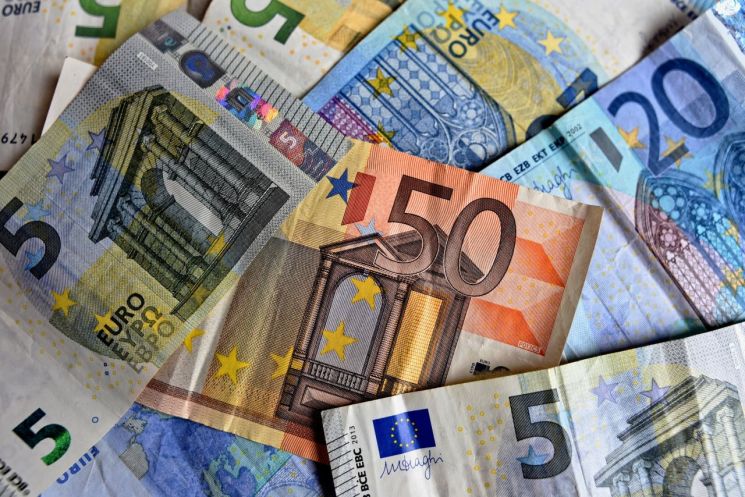
The judging committee, composed of linguists and journalists, has selected the worst word each year since 1991 based on citizen nominations. Last year, citizens suggested a total of 533 words, including "deal," a term frequently used by former U.S. President Donald Trump, and "Drecksarbeit" ("dirty work"), which German Chancellor Friedrich Merz used to describe Israel's airstrikes on Iran.
Among these, "special fund" was chosen as the worst word. While "special fund" is usually used to mean "special assets," the German government adopted the term last year after adding an exception to the Basic Law (constitution), which strictly limits new government debt, in order to circumvent these restrictions.
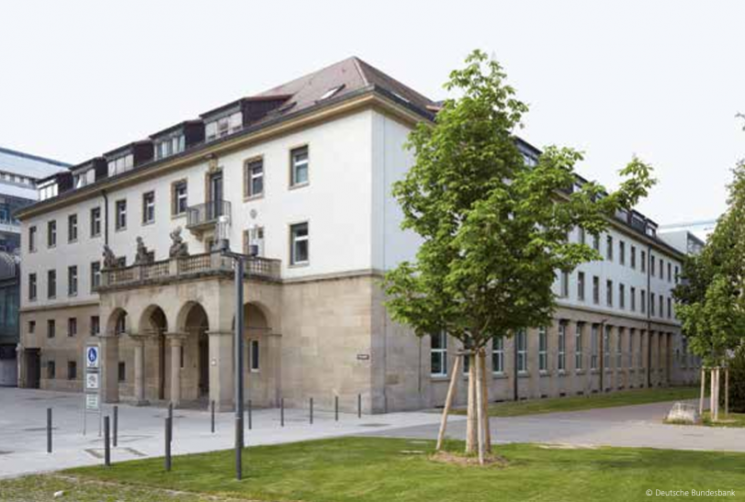
In March of last year, the German government amended the Basic Law to establish a special fund of 500 billion euros (approximately 859 trillion won) for infrastructure investment and climate response, to be used over 12 years. The debt brake, which restricts the structural fiscal deficit to no more than 0.35% of gross domestic product (GDP), has long been a major obstacle to Germany's active fiscal spending. At the time, Friedrich Merz, leader of the CDU and considered a candidate for the next chancellor, stated, "Europe must strengthen its defense," and added, "In light of threats to European security, we must do whatever is necessary."
As a result, the 2026 budget proposal includes a significant increase in defense spending, with 181.5 billion euros (about 312 trillion won) in new debt. This is the second-largest amount on record, following the peak during the COVID-19 pandemic in 2021.
Consequently, there are growing concerns in Germany about the rapidly increasing debt. Germany's national debt-to-GDP ratio was 62.5% in 2024, the lowest among major European countries. According to Yonhap News, the Bundesbank (the German central bank) and others have warned that this ratio could reach 100% by the 2040s, highlighting potential negative consequences. There is also criticism that the coalition government has been using the special fund to fulfill populist campaign promises made during the February general election last year, rather than for its original intended purposes.
The "worst word" judging committee explained its reasoning, stating, "Many people understand this word in its everyday sense, without knowing its administrative or technical meaning," and added, "As a result, democratic debate about the need for debt financing has been undermined." The committee further pointed out, "In public discourse, this technical term conceals its true meaning-debt financing-thereby allowing the government to obscure reality and mislead language users through its choice of words."
© The Asia Business Daily(www.asiae.co.kr). All rights reserved.
![Clutching a Stolen Dior Bag, Saying "I Hate Being Poor but Real"... The Grotesque Con of a "Human Knockoff" [Slate]](https://cwcontent.asiae.co.kr/asiaresize/183/2026021902243444107_1771435474.jpg)
















