6% of Cancer Cases and 5.7% of Deaths Linked to Dietary Habits
Salted Vegetables Have the Greatest Impact
A recent study found that approximately 6% of cancer cases and about 5.7% of cancer deaths in South Korea are related to dietary habits. In particular, the intake of salted vegetables and insufficient consumption of vegetables and fruits were identified as major contributing factors.
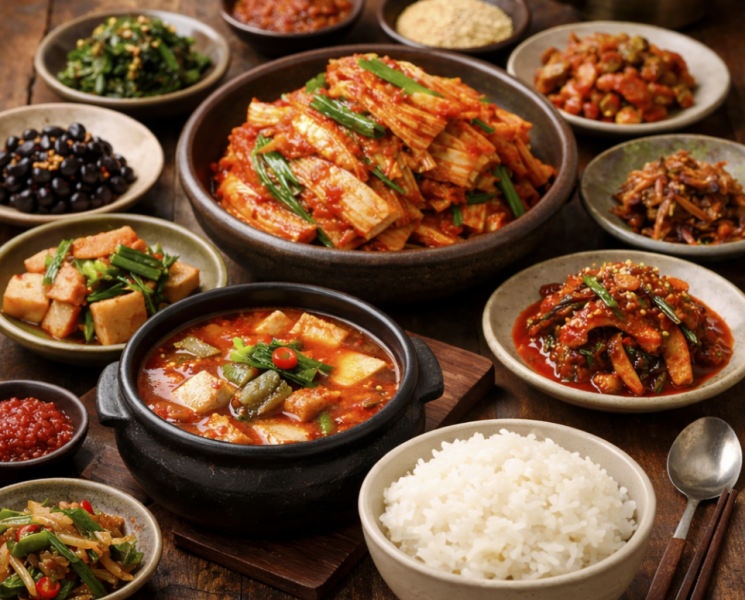
A joint research team from the Department of Preventive Medicine at Seoul National University College of Medicine and the Department of Food and Nutrition at Seoul National University published a paper in the international journal "Epidemiology and Health," analyzing the proportion of cancer incidence and mortality attributable to dietary habits among Koreans from 2015 to 2030.
The researchers used data from the Korea National Health and Nutrition Examination Survey to estimate the population attributable fraction (PAF) of cancer incidence and mortality, utilizing food intake levels, exposure rates, and relative risk (RR). They assumed a 15-year latency period between dietary habits and cancer development, and applied meta-analysis results that combined domestic cohort and case-control studies for relative risk estimates.
According to the study, as of 2020, 6.08% of all cancer cases and 5.70% of all cancer deaths in South Korea were attributable to dietary habits.
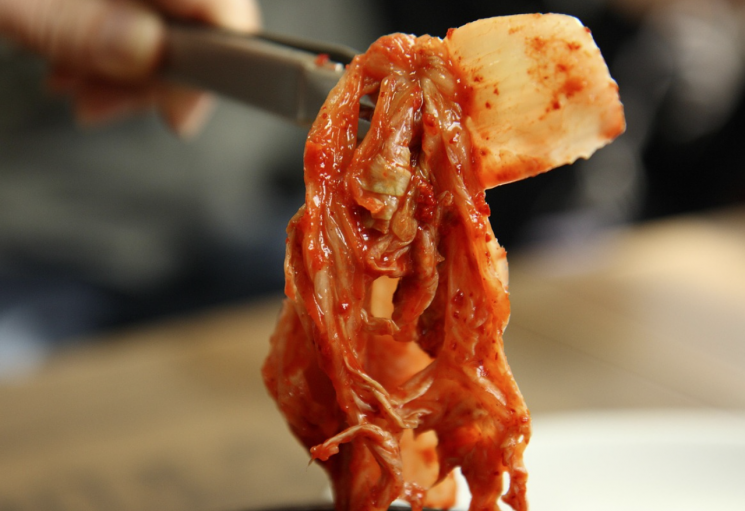 Intake of salted vegetables showed a notable association with stomach cancer, with stomach cancer accounting for more than 44% of cancer cases related to dietary habits and over 37% of deaths. This is interpreted as being influenced by the dietary characteristics of Koreans, where salted vegetables, including kimchi, are served at almost every meal.
Strong Association with Stomach Cancer... Greater Impact on Men
Specifically, intake of salted vegetables accounted for 2.12% of cancer cases and 1.78% of cancer deaths, representing the largest share among dietary factors.
In particular, intake of salted vegetables showed a notable association with stomach cancer, with stomach cancer accounting for more than 44% of cancer cases related to dietary habits and over 37% of related deaths. This is interpreted as being influenced by the dietary characteristics of Koreans, where salted vegetables, including kimchi, are served at almost every meal.
Insufficient consumption of non-starchy vegetables and fruits-such as broccoli, spinach, and cabbage-also contributed to 1.92% of cancer cases and 2.34% of cancer deaths, respectively.
The impact of dietary habits was found to be greater among men. For men, 8.43% of cancer cases and 7.93% of cancer deaths were associated with dietary habits, compared to 3.45% and 2.08% for women, respectively.
On the other hand, the contribution of excessive intake of red meat and processed meat to cancer incidence and mortality was relatively low, at less than 1% each.
"Dietary Management Needed to Reduce Cancer Burden"
The research team projected that the proportion of cancer attributable to salted vegetable intake would decrease significantly to 1.17% by 2030. However, the contribution related to insufficient intake of vegetables and fruits is expected to remain at a similar level in the future.
The researchers stated, "It has been confirmed that dietary habits have a significant impact on cancer incidence and mortality in South Korea. Reducing the intake of salted vegetables and increasing the consumption of non-starchy vegetables and fruits can help prevent cancer." They added, "Continuous monitoring and management of dietary changes are necessary to reduce the cancer burden."
© The Asia Business Daily(www.asiae.co.kr). All rights reserved.


















