Reports from NHIS and HIRA on the 12th, followed by KDCA and others on the 14th
Urgent Implementation Requested for Korea's Leap Forward Year
On January 12, the Ministry of Health and Welfare announced that it will hold the 'Work Report Meeting of Agencies Affiliated with the Ministry of Health and Welfare' over two days, starting with 11 organizations including the National Health Insurance Service and the Health Insurance Review and Assessment Service, followed by the Korea Disease Control and Prevention Agency, the National Pension Service, the Korea Social Security Information Service, and others on January 14.
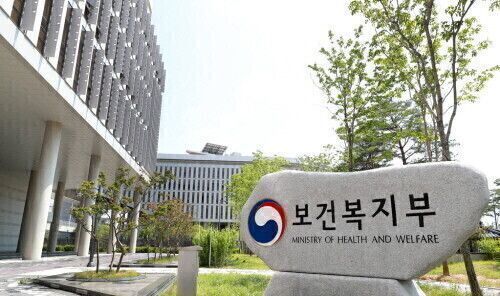
This meeting has been organized as an extension of the presidential work report held in December last year, to share the achievements to date and to closely examine the current challenges and improvement plans for each agency.
First, 28 public institutions including the Korea Disease Control and Prevention Agency, National Health Insurance Service, and National Pension Service, as well as 7 related organizations such as the National Social Service Agency, will report on their key initiatives to achieve the goal of "A robust welfare powerhouse, a Korea where everyone is happy."
The Korea Disease Control and Prevention Agency will enhance its crisis management system by establishing an integrated response system for infectious disease control and healthcare, and will promote self-sufficiency in vaccines and therapeutics, including the localization of messenger ribonucleic acid (mRNA) vaccine platforms. The agency will expand support programs for medical expenses for patients with rare diseases and strengthen the health impact monitoring system to address climate crisis challenges.
The National Health Insurance Service plans to introduce special judicial police authority to protect public health from illegally established medical institutions such as unauthorized hospitals and to prevent financial leakage from the health insurance fund. To strengthen the state's responsibility for care, it will implement the main project for an integrated assessment system, support the expansion of integrated home care services and home medical centers, and improve working conditions for care workers.
The Health Insurance Review and Assessment Service will support innovation in medical-centered long-term care hospitals and the inclusion of nursing care costs in insurance coverage to reduce the public's medical expenses. It will also reinforce the foundation of local, essential, and public healthcare by significantly increasing reimbursement rates for under-compensated critical and emergency medical services and expanding public policy reimbursement rates.
The National Pension Service will thoroughly prepare to ensure that this year's pension policy changes, such as expanded insurance premium support for low-income regional subscribers and improvements to the pension reduction system based on income activities, are successfully implemented in the field, thereby establishing a robust income security system. Additionally, it will actively pursue investment diversification to enhance the returns of the National Pension Fund and support the stabilization of public trust projects for people with developmental disabilities and elderly dementia patients.
The Korea Social Security Information Service will strengthen the system for identifying and supporting those in welfare blind spots based on AI and big data, including the establishment of a new interactive AI initial consultation system and the application of AI demonstration and pilot projects in welfare administration. The agency will also build systems to ensure the smooth implementation of new health and welfare policies, such as expanding the eligibility for child benefits and providing customized support for children and youth in crisis.
The Korea Health Industry Development Institute will actively foster the biohealth industry, including pharmaceuticals and medical devices, to lay the foundation for a major leap forward in the Korean economy. In response to the rapid changes in the external environment, such as advances in AI technology and trade regulations, it will establish a support system for the full-cycle growth of domestic biohealth companies with innovation capabilities. The institute will also develop a strategic research and development (R&D) investment support system to discover and support promising biohealth fields that can deliver results within five years.
The National Medical Center will strengthen the provision of unmet essential medical services such as emergency care, trauma, and infectious diseases, and will secure top public healthcare leadership by smoothly proceeding with the relocation and construction of the new central infectious disease hospital. It will also reinforce policy capabilities and public healthcare workforce development for evidence-based public health policy-making, expand the functions of the regional emergency medical situation room, and improve the maternal and child healthcare delivery system to further strengthen local, essential, and public healthcare.
Minister of Health and Welfare Chung Eun-kyung stated, "The roles of affiliated agencies are extremely important for the policies established by the Ministry of Health and Welfare to translate into tangible outcomes that the public can feel in their daily lives," and urged, "Please implement the matters discussed today with a sense of urgency so that 2026 can become the first year of a major leap forward for Korea."
© The Asia Business Daily(www.asiae.co.kr). All rights reserved.

















