Seoul-Regional Housing Price Gap Hits Record High
One Gangnam Apartment Equals 770 Regional Units
Warning Signs Flash for Housing Market Polarization
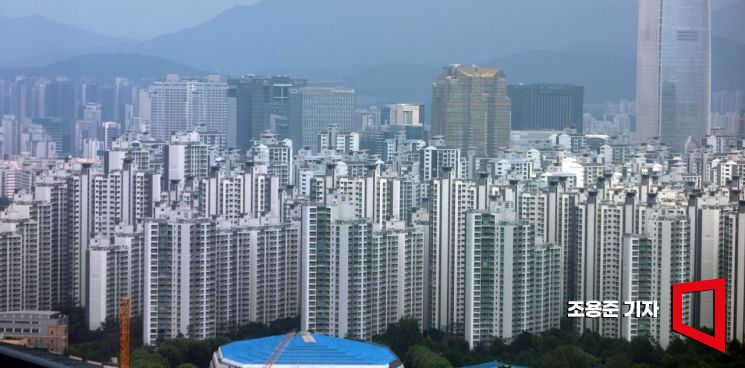
The polarization of the housing market is reaching an extreme. It has become a reality that the price of a single high-end apartment in Gangnam, Seoul is enough to purchase more than 700 apartments in regional areas. While demand continues to concentrate in Seoul, the regional housing market is facing both a collapse in transactions and falling prices, leading to a structural downturn, according to analysts.
An Apartment Cheaper Than a Luxury Bag? ... Sold for 11 Million Won Per Unit
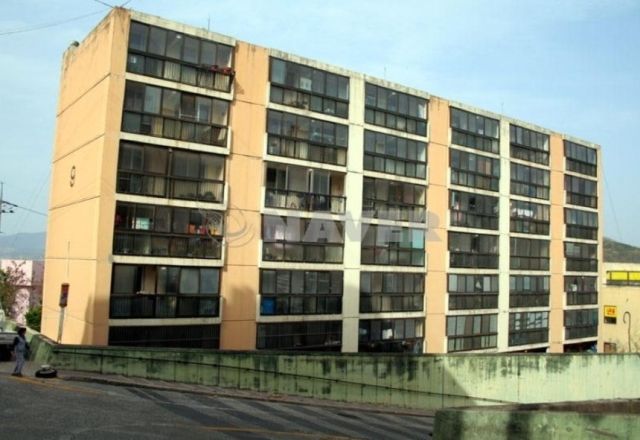
According to transaction statistics from the Ministry of Land, Infrastructure and Transport on January 9, the most inexpensive apartment sold nationwide last month was a 32-square-meter unit in the Seongjae Apartment Complex in Chilgok County, Gyeongbuk. This unit was sold for 11 million won on December 11. Three other 32-square-meter units in the same complex were sold for 14 million won, 16 million won, and 18 million won, respectively.
This represents the lowest transaction price among all apartments nationwide, and is even less than the price of some luxury handbags. For example, the Chanel Classic Medium Flap Bag is traded for around 16 million won both domestically and abroad.
In contrast, during the same period, the highest-priced transaction nationwide was a 152-square-meter unit in the Shinhyundai 8th Apartment Complex in Apgujeong-dong, Gangnam-gu, Seoul. This unit changed hands for 8.5 billion won on December 22. A simple calculation shows that the price of one Apgujeong apartment could buy up to 773 low-priced apartments in Chilgok.
Seoul Apartment Market Cap Hits Record High at Half of National Total ... Overheating and Concentration Intensify
The current polarization of the housing market is at a record high. As of December 15, the average sale price of apartments in Seoul surpassed 1.5 billion won for the first time ever. According to the Bank of Korea's Financial Stability Report, as of the end of November last year, Seoul apartments accounted for 43.3% of the national apartment market capitalization, the highest level since such statistics have been compiled.
Meanwhile, compared to their peaks, home prices in the five major metropolitan cities, including Daegu (-26.6%) and Busan (-18.0%), have fallen by around 20%.
In its Financial Stability Report, the Bank of Korea stated, "Following the tightening of regulations on multiple home ownership, the preference for 'one smart property' has grown stronger, leading to increased demand for purchases in core areas such as Seoul. The proportion of non-local buyers purchasing homes in Seoul remains higher than in the past." The report further warned, "The slump in the non-capital region housing market may undermine the financial soundness of local financial institutions, while continued price increases in the capital region could lead to greater financial imbalances and other potential risks."
Experts also agree, stating, "The likelihood of a balloon effect, where demand shifts to regional areas due to regulations in the capital region, is low. The polarization of the housing market is likely to become even more entrenched in the mid to long term."
© The Asia Business Daily(www.asiae.co.kr). All rights reserved.
![Clutching a Stolen Dior Bag, Saying "I Hate Being Poor but Real"... The Grotesque Con of a "Human Knockoff" [Slate]](https://cwcontent.asiae.co.kr/asiaresize/183/2026021902243444107_1771435474.jpg)
















