Gwangju City to Implement 35 New Administrative Systems Starting in 2026
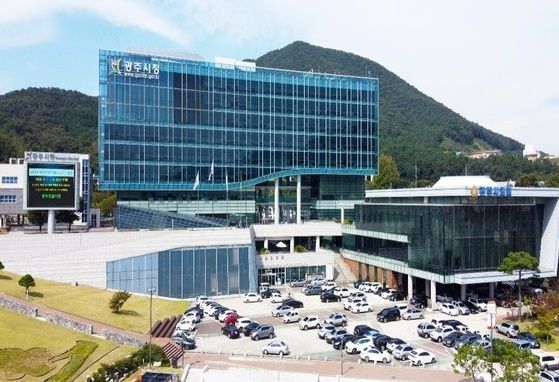
Gwangju City in Gyeonggi Province announced on January 8 that, in celebration of the Year of Byeongo (2026), it will newly implement a total of 35 administrative systems and policies across three sectors-general administration, welfare and health, and environment and safety-with the goal of achieving sustainable urban development that citizens can truly experience.
In the general administration sector, there are four new initiatives, with a focus on expanding cultural opportunities for young people. The eligibility for the Youth Culture and Arts Pass will be extended from those aged 19 to those aged 20, allowing young people to experience culture and the arts more broadly in their daily lives.
The welfare and health sector accounts for the largest portion, with a total of 27 new measures. To enhance recognition for national veterans, the monthly allowance for veterans, participants in national service, and living support will each be increased by 30,000 won, bringing the new amount to 180,000 won per month. The welfare allowance for the spouses of deceased veterans will also be raised by 30,000 won to 130,000 won per month. The city expects these changes to boost the pride of national veterans and help spread a culture of honoring their service.
Policies supporting childbirth and childrearing will also be strengthened. Reflecting local characteristics, the city will newly introduce a transportation subsidy program for mothers of multiples. Pregnant women carrying two or more fetuses will be eligible to receive up to 500,000 won in transportation expenses needed for obstetric visits, aiming to alleviate both the physical and financial burdens on families expecting children.
Measures to improve the childcare environment will also be expanded. The long-service allowance for childcare staff who have been responsible for a class at the same daycare center for two years or more will be increased, providing an additional 20,000 won per month to those who have served for at least two years but less than fifteen years.
This is expected to improve the treatment of childcare workers and contribute to creating a more stable childcare environment. In addition, a total of 24 new systems in the welfare and health sector are anticipated to further enhance citizens' sense of well-being.
In the environment and safety sector, four new initiatives will be implemented, including a support project for improving aging common facilities in multi-family housing. The project targets row houses and multiplex housing with fewer than 30 units that have been in use for over 15 years since approval. Beneficiaries will be selected by comprehensively considering the degree of aging, facility risks, and urgency. The total project budget of 100 million won will be fully funded by the city, with up to 16 million won per complex, covering up to 80% of the total project cost per site.
Mayor Bang Sehwan stated, "The new administrative systems to be implemented in 2026 are focused on resolving inconveniences in citizens' daily lives and improving their quality of life," adding, "We will continue to listen to citizens' voices and actively develop effective policies going forward."
© The Asia Business Daily(www.asiae.co.kr). All rights reserved.
![Clutching a Stolen Dior Bag, Saying "I Hate Being Poor but Real"... The Grotesque Con of a "Human Knockoff" [Slate]](https://cwcontent.asiae.co.kr/asiaresize/183/2026021902243444107_1771435474.jpg)















