Thomas Barkin: "Last Year's Rate Cut Was a Precautionary Measure"
Policy Decisions Grow More Complex Amid Slowing Employment and Persistent Inflation
Kashkari Also Says "Rate Is Near Neutral" Amid Diverging Views Within the Fed
Thomas Barkin, President of the Federal Reserve Bank of Richmond, stated on January 6 (local time) that the current benchmark interest rate is at a neutral level, and that monetary policy is striking a delicate balance amid conflicting macroeconomic pressures of rising unemployment and persistently high inflation.
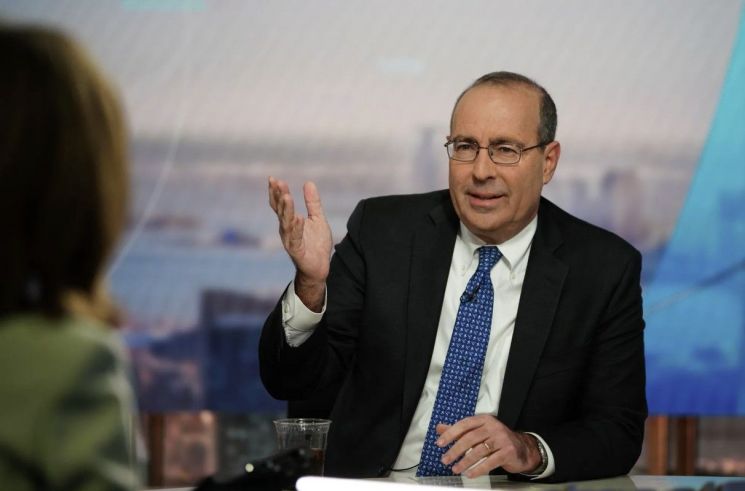
President Barkin made these remarks during a speech at the Raleigh Chamber of Commerce in North Carolina, explaining that the Federal Reserve’s total 0.75 percentage point rate cut last year was a preemptive, precautionary measure.
He assessed that the current benchmark interest rate, which stands at 3.5% to 3.75% per year, is within the range estimated to be the “neutral rate”-the theoretical level that neither stimulates nor restrains the economy. He went on to stress that, now that the rate has reached a neutral level, a more cautious approach is necessary for the future path of monetary policy.
President Barkin stated, “Going forward, policy decisions will require a delicate calibration that balances progress on both sides of the Fed’s dual mandate-price stability and full employment.”
Currently, there are some signs of slowdown in the U.S. labor market, but inflation remains well above the Fed’s 2% target. Regarding this, he said, “No one wants to see the labor market deteriorate further when employment is already low, and no one wants inflation expectations to become entrenched after nearly five years of inflation exceeding the target.” He reiterated that policymakers must maintain a delicate balance.
President Barkin also noted that with the end of the federal government shutdown and the resumption of official economic data releases, “We will closely analyze the clearer indicators that come in over the next few weeks and use them to inform our policy decisions.” He further projected that the U.S. economy is expected to grow this year, supported by tax cuts and deregulation policies under the second Donald Trump administration.
The view that the benchmark interest rate is close to a neutral level is echoed by other Fed officials. While there are differing opinions among committee members regarding the future rate path, Neel Kashkari, President of the Federal Reserve Bank of Minneapolis, also assessed that the current rate is “very close to neutral.” In an interview with CNBC the previous day, he stated, “Monetary policy is not putting excessive downward pressure on the economy,” adding that any further rate cuts will be decided after reviewing upcoming economic data. This suggests that a data-dependent approach is likely to continue for the time being.
© The Asia Business Daily(www.asiae.co.kr). All rights reserved.

















