Jeonju Central Cathedral Featuring an Innovative Truss Structure
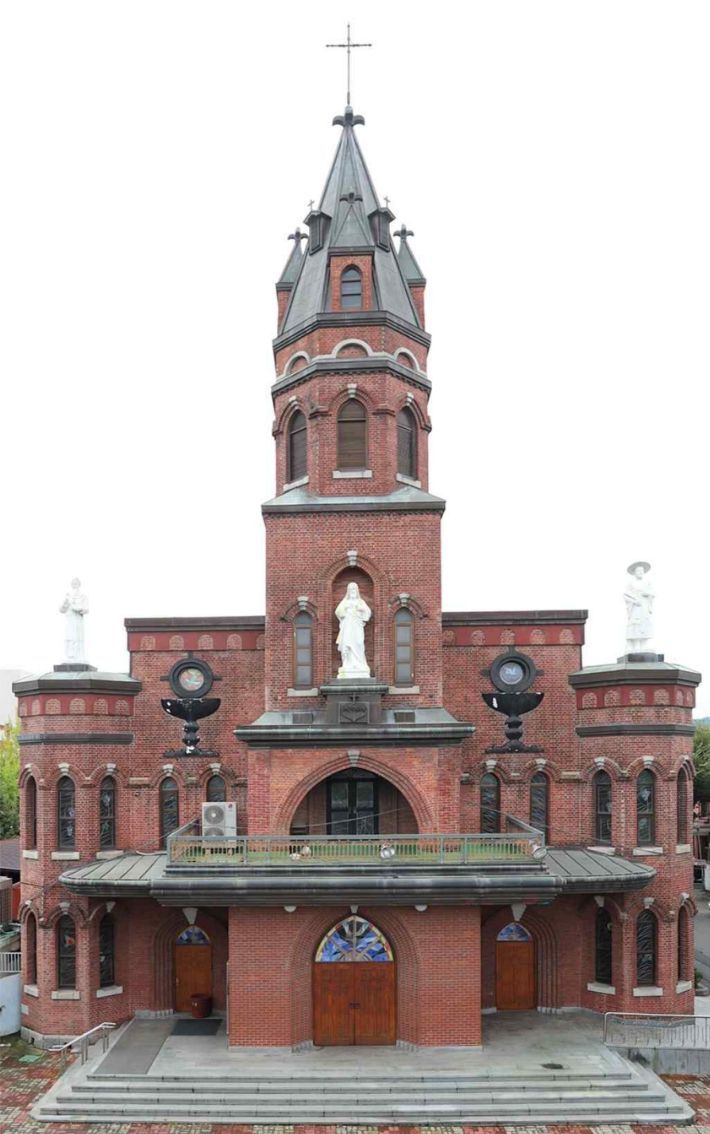
Built in 1956 in Seonosong-dong, Jeonju, Jeonju Central Cathedral was considered groundbreaking at the time. This was because there were no columns inside the sanctuary to support the roof. Instead, a wooden truss-a triangular frame structure-was assembled above the roof, creating a spacious worship area.
The National Heritage Administration announced on January 5 that it will designate this cathedral as a Registered National Cultural Heritage. The agency will gather public opinions for one month and conduct a review before making a final decision on the registration.
At the time of its construction, the building was Korea’s first “autonomous parish cathedral,” and it still retains this status more than half a century later. A cathedral is the principal church of a diocese where the bishop’s seat is located.
The architect was Kim Seonggeun, the first president of the Jeollabuk-do Architects Association. The original design drawings from the early 1950s have been fully preserved. The structure, which eliminated interior columns to create a wide-open space, reflects the level of architectural technology of that era.
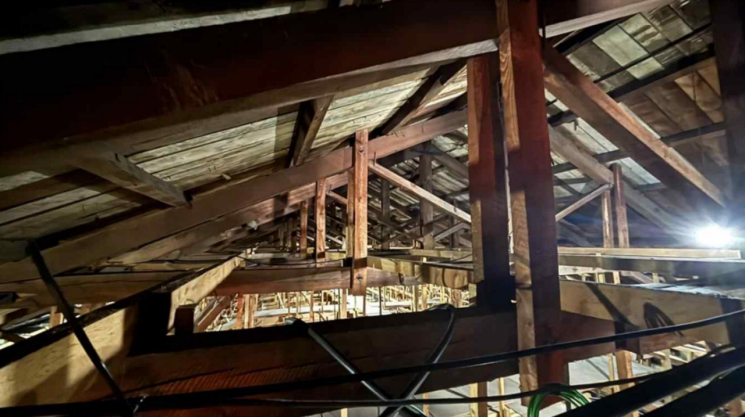
The National Heritage Administration specifically requested the preservation of key original features such as the wooden truss and circular windows. This decision is based on the assessment that the cathedral serves as a living testament to Korean architectural technology of the 1950s.
© The Asia Business Daily(www.asiae.co.kr). All rights reserved.