From Wildfire Recovery to Future Growth Engines
Redesigning the City with Six Core Strategies
Andong City has set forth its new year operational direction under the banner of “lifestyle-oriented municipal administration,” aiming for changes that citizens can tangibly experience in their daily lives. The city plans to simultaneously enhance urban resilience and sustainable competitiveness, focusing on six core areas: safety, welfare, industry, culture, agriculture, and gardens.
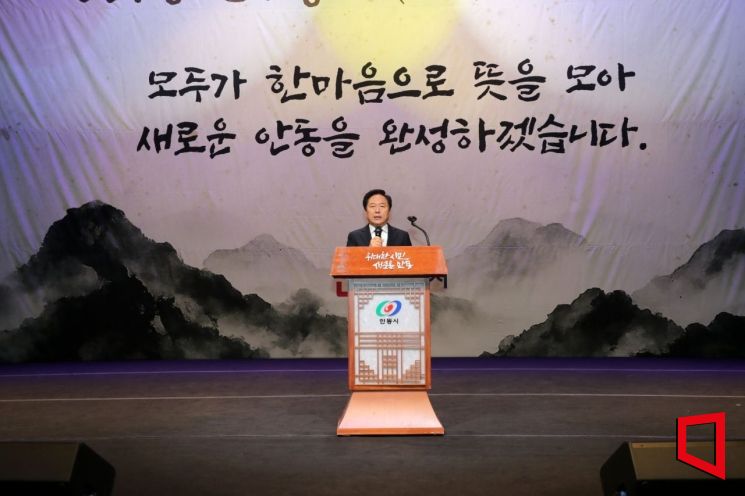
In response to the large-scale wildfire that occurred last year, the city will completely overhaul its disaster response system. While systematically restoring affected areas in phases, Andong will also strengthen preventive disaster infrastructure such as drainage system improvements and river enhancements to prepare for the era of climate crisis. Efforts to provide clean water and improve water supply services will continue, and mental health support systems will be expanded to build a robust safety net that allows citizens to live with peace of mind.
In the welfare sector, Andong will organically connect life-cycle support for childbirth, childcare, education, and youth settlement. The public postpartum care center will be completed without delay, and special education district projects will be enhanced with a focus on delivering tangible results. The city will expand support for youth housing and employment, while also strengthening integrated care for seniors, aiming to create a welfare city where all generations benefit together.
For industry and the economy, the growth strategy centers on the bio industry. Andong will expand its research and development base around the National Advanced Vaccine Development Center and accelerate the creation of a national bio-lifescience industrial complex. Support for small and medium-sized enterprises and local merchants will be strengthened, while traditional markets will be restructured into commercial districts that highlight the region’s unique character and competitiveness, thereby invigorating the local economy.
In the culture and tourism sector, the focus will be on enhancing the competitiveness of stay-type tourism. The city will improve the quality of year-round festivals and expand nighttime tourism content centered on Andong Dam and Wolyeonggyo Bridge. Idle spaces such as railway land and Seongnak Railway Bridge will be transformed into cultural and artistic hubs, while international cultural exchanges and the city’s brand value will be promoted through the World Heritage Festival and the East Asia Cultural City project.
In the gardens and environment sector, Andong will lay the groundwork for Geumso Ecological Park to become a national garden, and pursue phased restoration-beyond mere recovery-of natural recreation forests damaged by wildfires, embracing the concept of “recreation.” The city will increase urban living gardens to improve green space accessibility, while also expanding transportation infrastructure through major road expansions, construction of north-south connecting roads, and advancement of the Mungyeong-Andong railway.
In agriculture, the city will promote the spread of smart agriculture and foster young farmers to transition toward a sustainable agricultural structure. The strategy is to expand from production-centered agriculture to a rural convergence industry that incorporates tourism, healing, and experiential activities, thereby securing new growth engines for rural areas.
Kwon Gichang, Mayor of Andong, stated, “In the new year, we will pursue balanced policies in safety, welfare, industry, culture, agriculture, and gardens so that citizens can clearly feel changes in their daily lives. Together with citizens, we will steadfastly manage city affairs and solidify Andong’s future competitiveness.”
This new year’s municipal plan from Andong City draws attention for emphasizing “structural improvement of the city” over short-term achievements. By starting with wildfire recovery and climate crisis response, and simultaneously pursuing future growth drivers such as the bio industry and smart agriculture, as well as culture and garden policies, the strategy is clearly oriented toward sustainability. However, to ensure the plan moves beyond mere declarations, prioritizing fiscal investment and managing phased outcomes will be key challenges going forward.
© The Asia Business Daily(www.asiae.co.kr). All rights reserved.

















