Vision for Energy, Tourism, and Industry
Key County Initiatives for Rebuilding Wildfire-Affected Areas Announced
What will Yeongdeok look like in 2026?
Yeongdeok County in North Gyeongsang Province has announced an ambitious leap forward, fueled by the "three major projects" as its engine and the "five key tasks" as its driving force.
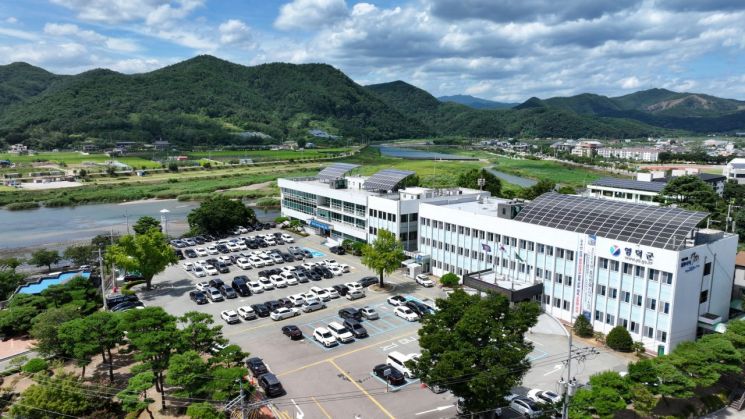
On January 2, Yeongdeok County held a New Year's kick-off ceremony in the main conference hall of the county office, pledging to make 2026 the inaugural year for a leap into the future. Building on the resilience shown in overcoming the largest wildfire disaster since the founding of the Republic of Korea, the county vowed to pursue structural transformation and sustainable growth for the region.
Despite the difficulties caused by the wildfire in North Gyeongsang Province at the end of March last year, which damaged 16,000 hectares of forest, Yeongdeok County maintained its position as the nation's top producer of pine mushrooms for the 14th consecutive year, demonstrating the resilience of the local industry.
In tourism, the county achieved a milestone as its major geological sites were included in the UNESCO Global Geoparks. Through wildfire recovery programs, festivals, and sports events, Yeongdeok ushered in an era of 10 million annual visitors, leading to a rapid recovery of the local economy.
Even more dramatic changes have occurred in transportation infrastructure. With the opening of the Pohang-Yeongdeok Expressway and the launch of KTX service, Yeongdeok has established itself as a key hub for transportation, logistics, and tourism on the East Coast, where the Donghae Line railway intersects with major east-west and north-south expressways.
Building on these achievements, Yeongdeok County has designated 2026 as the starting point for a new future, and is set to fully implement three major leap-forward projects focused on green energy, wellness city development, and a seafood cluster.
First, the green energy project will focus on areas affected by wildfires, promoting renewable energy businesses such as wind and solar power. The revenue generated will be shared with residents, establishing a citizen-led circular energy economy and providing a stable income base for the region.
Next, the Yeongdeok Wellness City project aims to expand tourism from simple visits to a focus on healing and health, fostering future strategic industries such as marine healing, healing agriculture, and healing tourism. The goal is to develop Yeongdeok's wellness industry into a new growth engine with global competitiveness.
Finally, the nation's largest seafood cluster will be developed by establishing the North Gyeongsang Smart Seafood Processing Complex and making large-scale investments to develop the Ganggu Port area. By creating an ecosystem where industries, universities, and research institutes collaborate, Yeongdeok plans to achieve a major transformation in the seafood industry, integrating processing, distribution, and research.
Alongside these future-oriented projects, Yeongdeok County also plans to steadily pursue five key tasks to ensure balanced development across all aspects of county administration.
First, to recreate areas affected by wildfires, a total of 87.4 billion won will be invested in 11 villages to improve infrastructure and transform them into sustainable communities that generate added value and jobs.
Second, the county will not only rebuild the Yeongdeok Traditional Market as a modern premium market, but also renovate Ganggu Market and Yeonghae Manse Market, support local brands and startups, and strengthen a virtuous economic cycle to build a vibrant local economy.
Third, by creating ecological trails linked to the Global Geopark, establishing the East Coast National Trail, and building the Samsa Marine Park Shared Conference Center, Yeongdeok aims to activate stay-type tourism and the MICE (Meetings, Incentives, Conferences, Exhibitions) industry, transforming itself into a tourism city that attracts people.
In addition, Yeongdeok County has identified comprehensive welfare for all generations, strengthening future education, and creating safe and sustainable rural and fishing communities as key tasks for this year.
In his New Year's address, County Governor Kim Kwangyeol stated, "I always consider it my duty to listen to each and every resident and to practice 'resident-centered administration.' I will devote all my efforts to making this year the inaugural year of a hopeful Yeongdeok, ensuring the happiness and future of our residents."
© The Asia Business Daily(www.asiae.co.kr). All rights reserved.