Expanding Stay-Type Tourism, Fostering the Future Vehicle Industry, and Accelerating Urban Spatial Reorganization
City: "Post-APEC Strategies Will Lead to Tangible Changes for Citizens"
On December 31, Gyeongju City announced that it will launch three major initiatives in 2026, focusing on tourism, industry, and urban development.
This is a follow-up measure to move the city’s mid- to long-term development strategy into the implementation phase after the successful hosting of the APEC Summit.
 Perspective view of the second Donggung Palace and La Won creation. Gyeongju City is preparing for an era of 60 million tourists by expanding the foundation for stay-type tourism.
In the tourism sector, the city aims to usher in an era of 60 million tourists by promoting the maintenance of core Silla royal heritage sites and the sanctification project of King Munmu’s Tomb, as well as expanding the foundation for stay-type tourism through projects such as the creation of the second Donggungwon Lawn.
The plan is to enhance the impact of tourism spending and the local economy by improving historical and cultural assets while shifting toward a tourism structure that encourages longer stays.
In the industrial sector, Gyeongju will operate three major research facilities centered around the e-mobility research complex: the Advanced Materials Forming and Processing Center for Future Vehicles, the Carbon Materials Parts Recycling Center, and the Shared Battery Safety Research Center. The city will also work to attract a research center for future vehicle convenience and safety technologies.
The goal is to advance the local industrial structure by building an ecosystem for the future vehicle industry that connects research, demonstration, and industrialization.
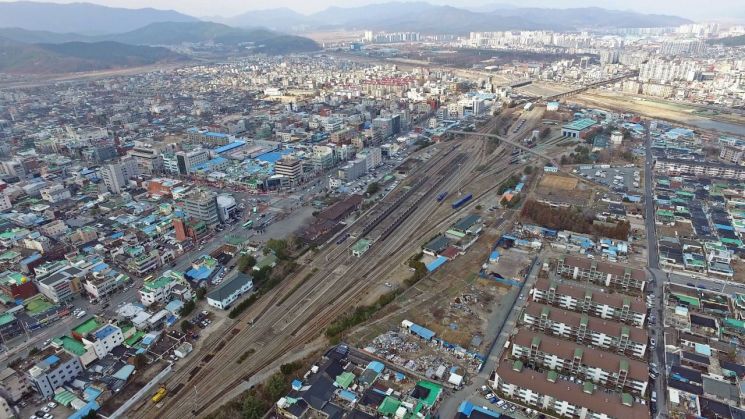
In the urban sector, the city plans to redevelop the former Gyeongju Station site into a new town and establish the Gyeongju Station area as a leading investment district, thereby reorganizing the city’s central axis.
Additionally, Gyeongju will expand the metropolitan transportation network by introducing the Southeastern Metropolitan Railway and hydrogen trams, and will gradually improve urban accessibility and convenience for residents.
Mayor Joo Nak-young stated, "2026 is not a year for listing new plans, but a year for putting Gyeongju’s chosen direction into action," adding, "We will steadily and resolutely ensure that the achievements accumulated through APEC translate into improved quality of life for citizens and enhanced urban competitiveness."
© The Asia Business Daily(www.asiae.co.kr). All rights reserved.
![Clutching a Stolen Dior Bag, Saying "I Hate Being Poor but Real"... The Grotesque Con of a "Human Knockoff" [Slate]](https://cwcontent.asiae.co.kr/asiaresize/183/2026021902243444107_1771435474.jpg)















