39 Systems to Change from 2026
Expansion of Integrated Care, Medical, and Childcare Support
Strengthening Youth, Jobs, and the Social Safety Net
Starting in 2026, Gwangju City will newly introduce or improve a total of 39 systems and policies across six areas: welfare and care, children and childcare, youth, economy and jobs, living infrastructure, and general administration.
According to the city on December 30, the focus is on expanding integrated care and medical support, reducing the burden of childbirth and childcare, and at the same time, strengthening the safety net for youth and vulnerable groups even further.

Expansion of Integrated Care and Increase in Veterans' Allowances... Overall Reinforcement of the Welfare Safety Net
The "Gwangju-Style Integrated Care" program will expand its support target to households earning up to 160% of the median income and will add home-visit medication services by pharmacists. The honorary allowance for national veterans will be increased to 230,000 won per month for surviving independence activists and 80,000 won per month for the families of independence patriots. The allowance for general war veterans will also rise up to 180,000 won per month depending on age. The city will also expand disability pensions and activity support services, issue mobile disability registration cards, and operate disability-friendly health examination centers.
Expansion of Child Allowances and Birth Support... Assistance from Birth to Childcare
The child allowance will be extended to children under the age of 9 and increased to 105,000 won per month. Every family with a newborn will receive a 500,000 won congratulatory coexistence card, and starting in 2025, families with a second or subsequent child will also be eligible.
Additional support for daycare Nuri Curriculum fees will be expanded to children aged 3 to 5, and the target for child care services will be widened to households earning up to 250% of the median income. Developmental consulting for infants and toddlers will also be expanded to include children aged 2 and 3.
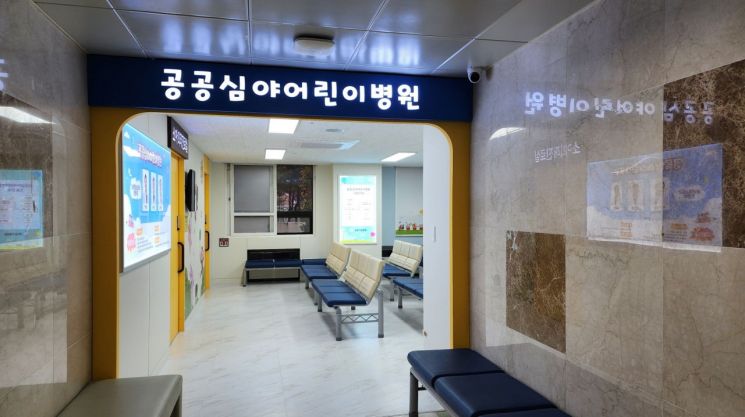
The number of public late-night children's hospitals will be increased to two by operating one additional facility. Postnatal care expenses for low-income mothers will be paid in advance, and the application period will be adjusted to three months after birth. The city will also expand the operation of integrated health centers, increase housing benefit subsidies, and enhance the functionality of the Gwangju-G Pass.
Increase in Living Wage, Support for Women and Seniors... Supplementing the Job and Income Base
The living wage will be raised by 2.9% to 13,303 won per hour. The Gwangju Saeil Center will newly offer one-on-one customized employment and career design services for women whose careers have been interrupted. The program also includes expanded support for senior jobs and social activities, special health checkups for female farmers, and an expanded target group for agri-food voucher support.
Continued Support for Youth Rent, Work Experience, and Culture
The city will expand the functions of the Gwangju Youth Integrated Platform and will continue the youth rent support program, which was previously a temporary project. Support for the Youth Work Experience Dream Project will be increased, and the eligibility for K-ART youth creator support and the Youth Culture and Arts Pass will also be expanded.
Improvements to License Plates, Charging Facilities, and Animal Registration... Enhancing Everyday Administrative Systems
For two-wheeled vehicles, the introduction of nationwide license plates will improve their size and readability. For electric vehicle charging facilities, a registration system and mandatory liability insurance will be introduced. The requirements for animal registration and CCTV installation at pet business facilities will be expanded, and fire safety consent will be required for small-scale parking structures when obtaining building permits.
© The Asia Business Daily(www.asiae.co.kr). All rights reserved.
![Clutching a Stolen Dior Bag, Saying "I Hate Being Poor but Real"... The Grotesque Con of a "Human Knockoff" [Slate]](https://cwcontent.asiae.co.kr/asiaresize/183/2026021902243444107_1771435474.jpg)
















