6,717 Sites Including Cultural, Sports, and Welfare Facilities Targeted for Inspection
Starting this month and continuing through February of next year, Jeonbuk Province has designated a winter intensive management period and is operating a comprehensive response system that covers prevention, preparedness, response, and recovery. This includes fire safety management, gas leak prevention, electrical safety, and inspections of large-scale construction sites.
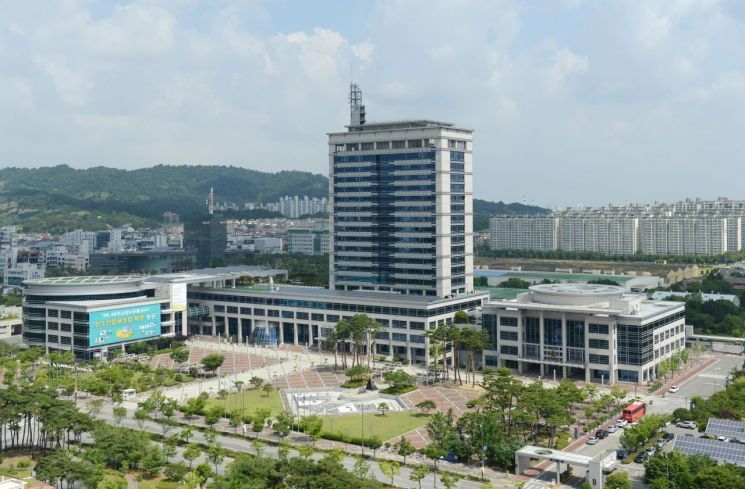
According to the province on the 29th, this inspection initiative was launched to prevent fires and safety accidents that may occur due to increased use of heating equipment during winter. The inspections will cover a total of 6,717 sites, including cultural and sports facilities, social welfare facilities, construction sites, traditional markets, agricultural facilities, and multi-use facilities, all of which are considered high-risk for fire.
By type, the breakdown is as follows: 1,914 social welfare facilities, 1,849 cultural and sports facilities, 1,354 construction sites and apartment complexes, 879 agricultural facilities, 636 multi-use facilities, and 85 traditional markets and retail facilities.
Alongside on-site inspections, the province is also providing safety education for facility managers. Focusing on apartment buildings and multi-use facilities, the province is intensifying publicity regarding evacuation procedures and initial response methods in the event of a fire, aiming to enhance practical response capabilities.
In particular, for 471 households using childcare services and residing in old apartment buildings, the province has distributed standalone smoke detectors and automatic fire-suppression outlet patches to strengthen their ability to respond during the early stages of a fire.
Efforts are also being made to prevent carbon monoxide (CO) poisoning accidents resulting from increased boiler use. The province has deployed 200 CO detectors and distributed an additional 285 CO alarms to vulnerable groups. Furthermore, electrical safety inspections were conducted for 2,253 households in vulnerable groups to proactively prevent winter-related electrical accidents.
Supervision and management of large-scale construction sites have also been strengthened. The province, in cooperation with the Ministry of Employment and Labor and other relevant agencies, conducted joint inspections at 12 major construction sites, and carried out site monitoring activities using the Industrial Safety Guard Team at 34 locations.
For 88 multi-use facilities with a floor area of 5,000 square meters or more, the province provided fire response manual consulting to enhance their capacity to respond systematically in emergency situations. Additionally, 440 wearable life-saving masks were distributed to these facilities to minimize casualties.
The province has also established a thorough system for securing and supporting disaster response supplies. Centered on the Integrated Disaster Management Resource Center, 103,938 items across 91 categories of disaster prevention supplies have been stockpiled, and a system has been put in place to rapidly mobilize these resources in the event of social disasters such as fires.
The province checked whether 12,665 facilities, which are required to have disaster liability insurance, were enrolled, and encouraged voluntary enrollment of non-compliant facilities through guidance and promotional campaigns. In addition, specialized psychological counseling and healing programs have been prepared for disaster victims and their families to support their mental recovery.
Park Jangseok, Director of the Social Disaster Division of the province, stated, "Winter safety accidents in daily life can quickly escalate into major disasters due to minor negligence, so extra caution is necessary," and urged, "We ask all residents to ensure the safe use of heating equipment and to strictly observe basic safety rules in daily life."
© The Asia Business Daily(www.asiae.co.kr). All rights reserved.
![Clutching a Stolen Dior Bag, Saying "I Hate Being Poor but Real"... The Grotesque Con of a "Human Knockoff" [Slate]](https://cwcontent.asiae.co.kr/asiaresize/183/2026021902243444107_1771435474.jpg)















