Live Broadcast of Work Briefings: "Showing the People, the True Actors in State Affairs"
Emphasis on Accountability in Report Approval
Another Work Briefing in Six Months... "See How Much the Public Sector Has Changed"
Urges Agency Heads to Encourage Internal Discussion... "The Higher the Position, the More Detached from the Field"
"Will Also Check Whether Issues Raised Externally Have Been Properly Addressed"
On December 23, President Lee Jaemyung stated at the Ministry of Oceans and Fisheries’ temporary office in Busan during a joint work briefing by the Ministry of Oceans and Fisheries and the Korea Coast Guard, “I cannot stand by and watch as the ultimate leaders of organizations enjoy only the authority, honor, benefits, and privileges that come with their positions, while failing to properly fulfill their essential responsibilities and roles.” He emphasized his intention to break the practice of superficial reporting and shirking responsibility, and to instill a culture of accountable administration in the public sector. The series of ministry work briefings, which began on December 11 and marked President Lee’s first since taking office, concluded on this day.
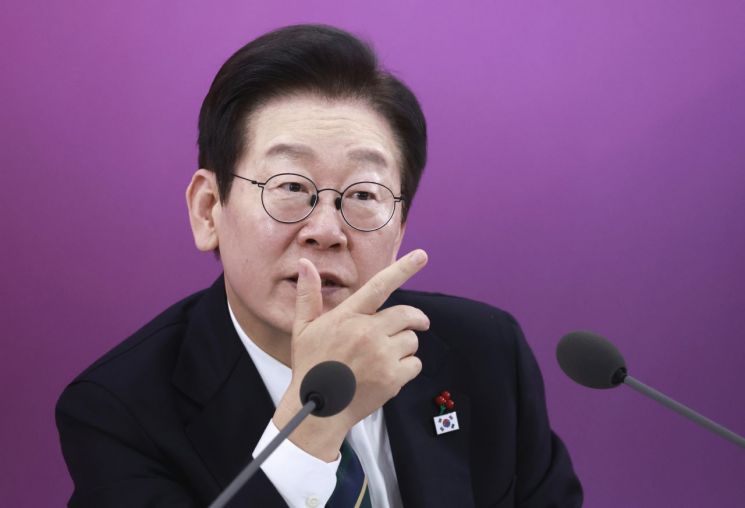
Regarding the decision to broadcast the ministry work briefing live, President Lee explained, “Government affairs can seem rigid and uninteresting, making it easy for the public to lose interest. When there is a lack of attention, problems can arise.” He added, “In trying to make it more engaging so that the public would pay attention, there have been criticisms that it is frivolous or lacks authority, but every issue has two sides. There have also been achievements in raising public interest,” he assessed.
President Lee further stated, “The reason for holding the work briefing was to publicly show the people, who are the main actors in state affairs, how the government is being managed. We are merely agents-if we use an old-fashioned term, we are servants. We must work in a way that maximizes the interests of the owners, in accordance with their intentions, and the process itself must be clearly visible to them.” He also introduced an anecdote about King Jeongjo of the Joseon Dynasty, who carried a gong and encouraged those who had grievances to strike it.
President Lee particularly pointed out that, internally, work briefings in the past “seemed to have been conducted only as a formality.” He said, “I cannot stand by and watch as top leaders enjoy only authority, honor, benefits, and privileges, while failing to properly fulfill the essential responsibilities and roles of their positions. The fate of any organization depends on the attitude and sincerity with which its leaders carry out their duties.”
He also strongly emphasized accountability in the process of approving reports. President Lee remarked, “If someone drafts a report and submits it, they should at least understand the meaning of the words they wrote. How can it make sense if you don’t even know the content of the document you signed?” He continued, “It is not enough for frontline staff to do only what is necessary with their fingertips; the entire organization must take responsibility, move dynamically, engage in discussion, make corrections, and, if there are better ideas, accept suggestions and try new things.” President Lee stated, “I plan to receive another work briefing in six months. I ask the public to observe how much the public sector has changed by then.”
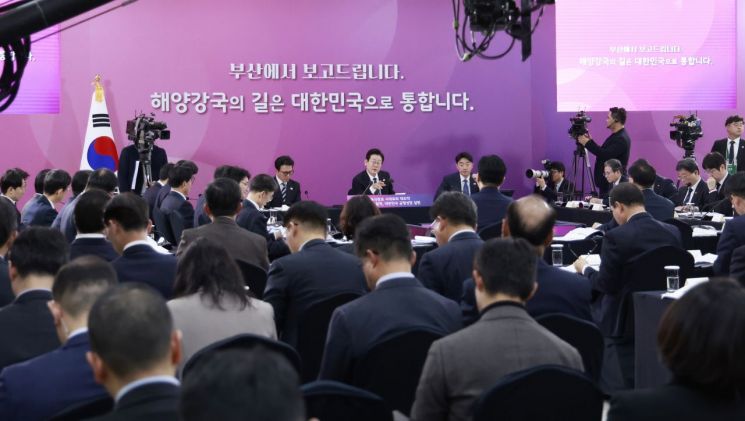
President Lee also urged agency heads to encourage internal discussion. He said, “In bureaucratic organizations, those with the greatest authority tend to be the most old-fashioned. The higher one’s position, the more detached they become from the field. Subordinates may obey such people in front of them, but criticize them behind their backs. We must not become such ‘old-fashioned bosses.’”
Regarding external criticism, he said, “We must listen carefully to what the opposition, the National Assembly, the media, civic groups, and critical experts say. If there are mistakes, we must correct them, and if there are good suggestions, we should accept them.” He added, “We will also check whether the issues that have been pointed out are being properly addressed.”
© The Asia Business Daily(www.asiae.co.kr). All rights reserved.
![Clutching a Stolen Dior Bag, Saying "I Hate Being Poor but Real"... The Grotesque Con of a "Human Knockoff" [Slate]](https://cwcontent.asiae.co.kr/asiaresize/183/2026021902243444107_1771435474.jpg)
















