Premiums to Rise by 16% for Third-Generation and 20% for Fourth-Generation Policies
Loss Ratio Surge: 139% for Third-Generation, 148% for Fourth-Generation
Loss Ratios Far Exceed 100% Break-Even Point, Driving Premium Increases
As the loss ratio for indemnity health insurance continues to worsen, industry forecasts indicate that premiums will rise by approximately 7.8% next year. The loss ratio refers to the proportion of insurance payouts to premiums collected from policyholders; the higher the ratio, the greater the burden on insurance companies.
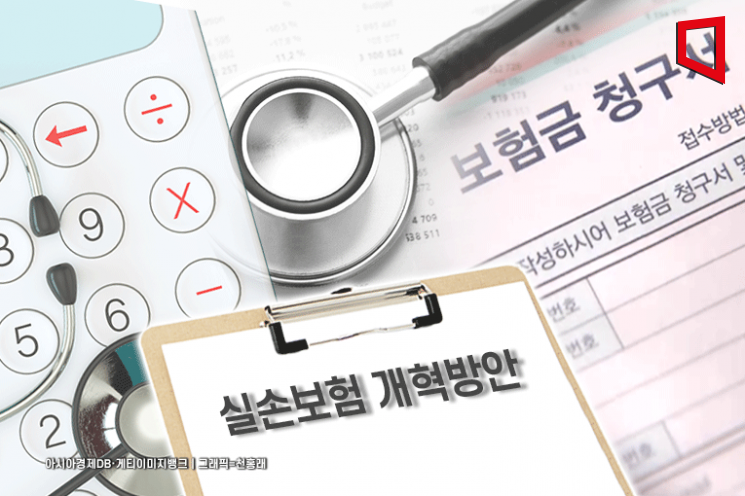
On December 23, the Korea Life Insurance Association and the General Insurance Association of Korea announced that the average overall increase in indemnity health insurance premiums for next year has been calculated at about 7.8%.
This figure is 1.2 percentage points lower than the average annual increase of 9% over the past five years.
The rate of premium increase represents the industry average and does not apply uniformly to all policyholders. The actual increase for each individual will vary depending on the product renewal cycle and type, the policyholder’s age and gender, and the insurer’s loss ratio.
For example, it is estimated that premiums will rise by around 3% for first-generation policies, 5% for second-generation, 16% for third-generation, and 20% for fourth-generation policies.
Generally, as the loss ratio increases, the rate of premium hikes also rises. Within the industry, a loss ratio of 100% is typically considered the break-even point. A loss ratio above 100% means that the insurer is paying out more in claims than it is receiving in premiums.
According to the Korea Insurance Research Institute, the loss ratio for first- to fourth-generation indemnity health insurance policies at non-life insurers in the third quarter was 120.7%, up 3.7 percentage points from the end of last year.
By generation, the loss ratios were 113.2% for first-generation, 112.6% for second-generation, 138.8% for third-generation, and 147.9% for fourth-generation policies.
A representative from the Korea Life Insurance Association and the General Insurance Association of Korea explained, "The actual adjustment to premiums for each policyholder can be confirmed through the premium renewal notice sent by the insurer at the time of the individual policy renewal."
The timing of premium renewals varies by policyholder. The renewal cycle is three to five years for first-generation, one to three years for second-generation, and one year for third- and fourth-generation policies. However, for first- and second-generation policies, the renewal cycle may differ depending on the product type and the time of enrollment.
The insurance industry stated that it is working to address the cumulative losses in indemnity health insurance and to rationalize the premium burden on policyholders by preventing insurance payout leakages caused by excessive non-covered treatments and insurance fraud.
A representative from the Korea Life Insurance Association and the General Insurance Association of Korea emphasized, "We will actively cooperate with government policies to implement reforms in indemnity health insurance, including normalizing the healthcare system centered on essential medical services, reducing the public’s medical expenses, and ensuring appropriate coverage for medical costs."
© The Asia Business Daily(www.asiae.co.kr). All rights reserved.
![Clutching a Stolen Dior Bag, Saying "I Hate Being Poor but Real"... The Grotesque Con of a "Human Knockoff" [Slate]](https://cwcontent.asiae.co.kr/asiaresize/183/2026021902243444107_1771435474.jpg)















