Horse Culture Organized into 218 Entries
The National Folk Museum of Korea announced on December 23 that it has published the "Horse" edition of the Korean Folklore Symbol Dictionary, which organizes the symbolism and meaning of horses in Korean folk culture, in celebration of 2026, the Year of the Horse (Byeongo Year).
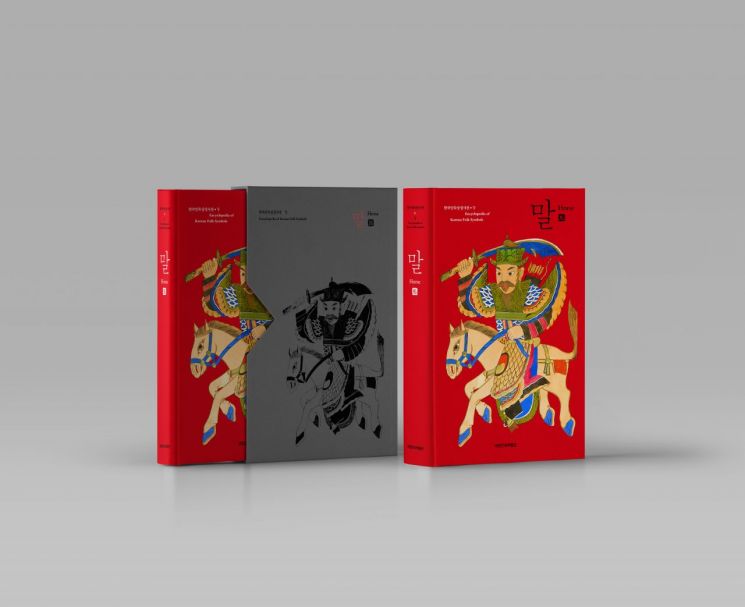 Cover of the "Korean Folklore Symbol Dictionary" entry for "Horse." Courtesy of the National Folk Museum of Korea
This comprehensive reference work organizes horse-related culture as it appears throughout everyday life-covering the animal’s ecology, folktales and beliefs, folk games, transportation, place names, idioms, artifacts, and paintings-into 218 entries. It details the process by which horses, known as Baekma (White Horse), Cheonma (Heavenly Horse), and Yongma (Dragon Horse), and regarded as beings connecting heaven and humans, this world and the afterlife, have come to symbolize vitality, wisdom, and loyalty.
In particular, the dictionary introduces the meaning of horses as sacred mediators believed to ward off disasters and diseases in folk beliefs, as well as the everyday culture embedded in place names like Maljukgeori and Majang-dong, and idiomatic expressions such as 'Jukmago-u' (lifelong friends since childhood). Artifacts such as horse-themed ornaments and saddles, and paintings like Sema-do and Junma-do, are included to visually illustrate the symbolism of horses across different eras.
A museum representative stated, "The National Folk Museum of Korea expects that this dictionary will broaden understanding of horse culture and serve as a foundational resource for comparative research with cultures around the world."
© The Asia Business Daily(www.asiae.co.kr). All rights reserved.

















