During the winter season, as cold weather reduces outdoor activities, there is a natural increase in demand for indoor exercise.
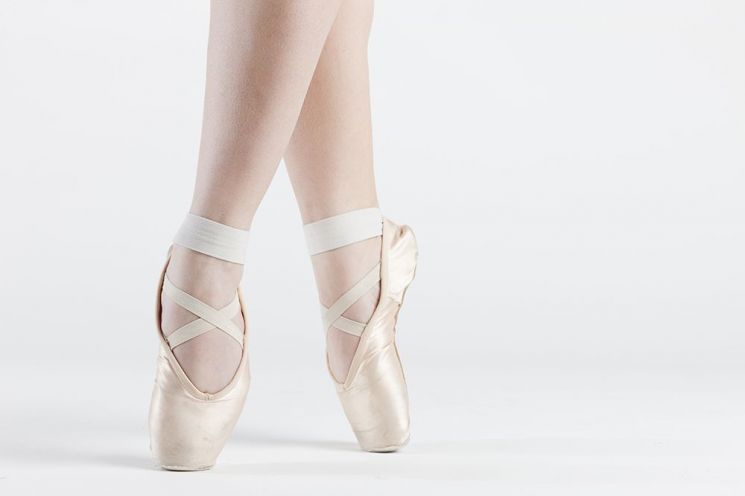
Recently, as well-known celebrities such as Suzy, Park Gyuyoung, and Son Naeun have shared their ballet practice routines on social media, so-called "Chwiballer"-those who enjoy ballet as a hobby-has emerged as a new trend.
Ballet, which has traditionally been regarded as an art form, is now increasingly recognized as a beneficial activity for posture correction and weight management, thanks to these celebrity examples. Combined with ballet's distinctive attire and atmosphere, it is gaining popularity, especially among women in their 20s and 30s.
Ballet is most often practiced at specialized studios under the guidance of professional instructors. However, due to the nature of ballet movements, which place significant weight-bearing stress on the feet and ankles, there is a risk of developing foot disorders.
This risk is particularly pronounced for adults who are starting ballet as a hobby for the first time. Unlike during the growth period, the structure of the foot is already fully developed, and the elasticity of cartilage and ligaments begins to decrease. In this state, if alignment issues or muscle imbalances in the feet are not corrected, or if basic strength is insufficient and movements are performed excessively or under repeated stress, the likelihood of developing foot disorders increases significantly.
One of ballet's signature movements is supporting body weight on the tips of the toes. If exercise intensity is suddenly increased or if there are pre-existing conditions such as flat feet or high arches, repeated weight-bearing on the soles can lead to plantar fasciitis or metatarsalgia. Additionally, for those with hallux valgus, movements that compress the front of the foot and bring the toes together can worsen pain.
Other movements, such as repeatedly lifting the heels, can cause Achilles tendinitis. During jumps or turns, if balance is not properly maintained upon landing or if the muscles around the ankle are weak, this can result in ankle sprains or chronic ankle instability.
If you experience recurring pain in the soles, forefoot, or ankles after ballet, or symptoms such as swelling, stiffness, difficulty taking your first steps in the morning, or abnormal gait, it is important not to dismiss these as simple muscle soreness. Instead, seek an early and accurate diagnosis from an orthopedic specialist.
Yoo Seongho, Director of the Foot Center at Daedong Hospital and orthopedic specialist, stated, "Ballet is a well-balanced exercise that improves both strength and flexibility throughout the body, and the repeated practice of maintaining proper posture helps enhance postural awareness. However, as with any exercise, it is important to learn the basics step by step. When starting ballet, you should focus on strengthening the ankles, soles, and surrounding muscles, along with sufficient stretching." He added, "Many people mistake the pain experienced when starting a new exercise for simple muscle soreness and continue to push through. However, if the pain is recurring or interferes with daily life, it may be an early sign of a foot disorder, so it is advisable to receive an accurate diagnosis from an orthopedic specialist as soon as possible."
To prevent foot disorders, it is helpful to stretch thoroughly before and after exercise and to perform exercises that strengthen the muscles of the feet and ankles. Additionally, exercise intensity should be adjusted gradually according to individual fitness levels, and excessive practice should be avoided if pain occurs.
© The Asia Business Daily(www.asiae.co.kr). All rights reserved.
![Clutching a Stolen Dior Bag, Saying "I Hate Being Poor but Real"... The Grotesque Con of a "Human Knockoff" [Slate]](https://cwcontent.asiae.co.kr/asiaresize/183/2026021902243444107_1771435474.jpg)















