Crackdown on Cosmetics and Medical Devices Claiming Treatment or Prevention
Access Blocked for Posts Facilitating Illegal Overseas Purchases and False Advertising
A total of 376 cases of false advertising were detected online, involving exaggerated claims about the treatment and prevention effects of hair loss and athlete's foot, as well as the illegal facilitation of overseas purchases of medical devices, cosmetics, and quasi-drugs.
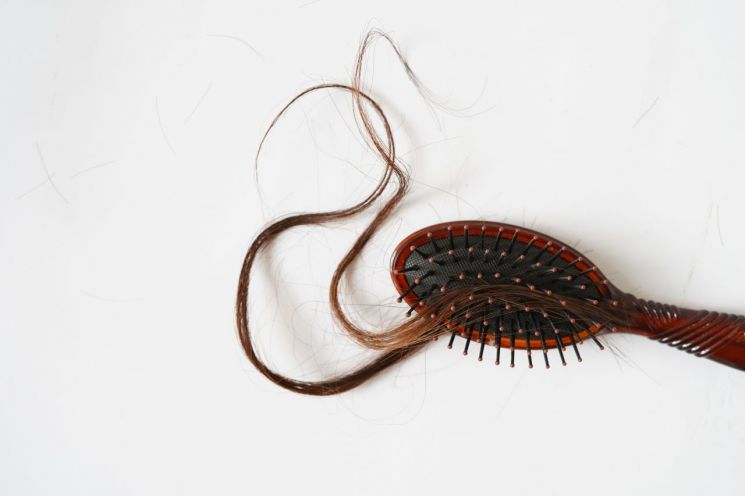
The Ministry of Food and Drug Safety announced on the 22nd that it had uncovered 376 violations after inspecting online advertisements related to products for hair loss and athlete's foot. The ministry requested the Korea Communications Standards Commission and major online platforms such as Naver, Coupang, and 11st to block access to the relevant posts.
According to the current Medical Device Act, it is considered illegal sales and false advertising to promote cosmetics or quasi-drugs as having medicinal efficacy or effects such as treatment or prevention, as this can mislead or confuse consumers.
False Advertising Detected Across Medical Devices, Cosmetics, and Quasi-drugs
By category, the medical device sector accounted for the largest number of violations, with 226 cases (80%) involving illegal overseas direct purchase advertisements for medical devices such as hair loss lasers and athlete's foot lasers. In addition, there were 12 cases (5%) of advertising without prior review, and 21 cases (8%) of advertisements that could mislead consumers into thinking general merchandise was a medical device, bringing the total number of false advertisements in this sector to 259.
In the cosmetics sector, all 77 detected cases involved advertisements that could mislead consumers into thinking the products were pharmaceuticals, such as hair loss or athlete's foot treatments. Of these, 26 cases involved responsible sales companies, 42 involved general sales companies, and 9 involved social media account advertisements. The Ministry of Food and Drug Safety plans to conduct on-site inspections and take administrative action against 21 responsible sales companies through the relevant regional offices.
For quasi-drugs, the inspection focused on advertisements claiming medical efficacy such as athlete's foot treatment or toenail regeneration, as well as those facilitating illegal distribution. As a result, 30 cases (75%) of illegal overseas purchase agency advertisements and 10 cases (25%) of false or exaggerated advertisements were detected. For two companies with repeated violations, the ministry will request on-site inspections by the relevant authorities.
Ministry of Food and Drug Safety: "Always Check for Approval and Review Status"
An official from the Ministry of Food and Drug Safety stated, "It is important to clearly recognize that cosmetics are not pharmaceuticals and not to be misled by advertisements claiming medical efficacy or effects," adding, "Quasi-drugs and medical devices purchased through overseas direct purchases are products whose safety and efficacy have not been verified, making it difficult for consumers to receive legal protection in case of harm. Therefore, only officially imported products should be purchased."
Additionally, when purchasing medical devices, cosmetics, or quasi-drugs online, consumers are strongly advised to check whether the product has been approved or reviewed by the Ministry of Food and Drug Safety, and to verify product information in advance through the 'Medical Device Safety Information Center' and 'Drug Safety Korea' websites.
© The Asia Business Daily(www.asiae.co.kr). All rights reserved.
![Clutching a Stolen Dior Bag, Saying "I Hate Being Poor but Real"... The Grotesque Con of a "Human Knockoff" [Slate]](https://cwcontent.asiae.co.kr/asiaresize/183/2026021902243444107_1771435474.jpg)
















