Gwangju Metropolitan City will invest approximately 100 billion won in its sewer maintenance project next year. The city plans to carry out a large-scale overhaul of aging sewer pipelines, aiming to enhance urban safety by preventing flooding and reducing odors.
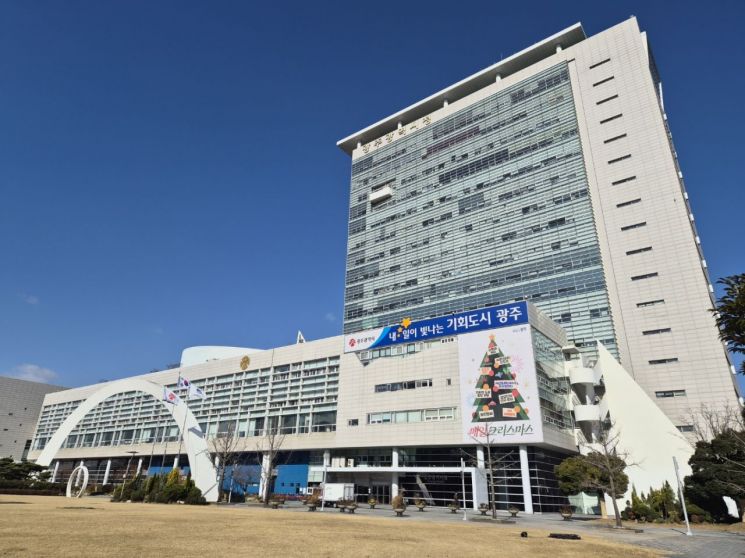
On December 23, Gwangju Metropolitan City announced that it has secured 64.8 billion won in national funding for 17 sewer-related projects-including the maintenance of aging pipelines and the implementation of separate sewer systems-as part of the Ministry of Environment’s subsidized projects for 2026. With an additional 34.7 billion won from the city’s own budget, the total investment for next year’s sewer maintenance will amount to about 100 billion won.
The confirmed projects include 15 ongoing initiatives and 2 new ones, creating the financial conditions necessary to fully launch large-scale sewer infrastructure improvements. Gwangju Metropolitan City has been implementing phased, annual upgrades to its sewer system to address the climate crisis and increasingly frequent localized heavy rainfall.
The secured national funding will be primarily allocated to flood prevention and the improvement of aging pipelines, both of which are directly linked to residents’ daily lives. The city will refurbish 40 kilometers of sewer pipelines that have been in use for over 20 years. Additionally, separate sewer systems will be installed in the Jungang 6 district of Buk-gu (Dooam-dong and Usan-dong), Seochang 1 district of Seo-gu (Hwajeong 3-dong, Sangmu 2-dong, and Pungam-dong), and Sochon district of Gwangsan-gu (Unsu-dong and Sochon-dong). The project also includes odor improvement in the Dong-gu and Nam-gu areas and targeted management of the sewer system in the Geukrakcheon stream basin.
Through these projects, Gwangju Metropolitan City aims to prevent ground subsidence (sinkholes), enhance sewage treatment efficiency, and resolve chronic odor complaints in residential areas. In particular, by improving the functionality of pipelines in key management areas, the city intends to strengthen its capacity to respond to urban flooding during heavy downpours.
Once the projects are completed in phases, the city expects to see improved drainage capacity to cope with localized torrential rains, a reduction in flood damage, increased sewage treatment efficiency, and fewer odor complaints in residential neighborhoods-resulting in tangible improvements for citizens.
Kim Hoon, Director of Water Management Policy, stated, "Securing this national funding marks a turning point for improving Gwangju’s sewer environment," adding, "We will create a safe city where citizens can live with peace of mind in this era of climate crisis."
© The Asia Business Daily(www.asiae.co.kr). All rights reserved.
![Clutching a Stolen Dior Bag, Saying "I Hate Being Poor but Real"... The Grotesque Con of a "Human Knockoff" [Slate]](https://cwcontent.asiae.co.kr/asiaresize/183/2026021902243444107_1771435474.jpg)















