Special Exhibition for the 80th Anniversary of Liberation: "The Return of Gwanwoldang"
Commemorating the First Complete Repatriation of Overseas Korean Architectural Heritage
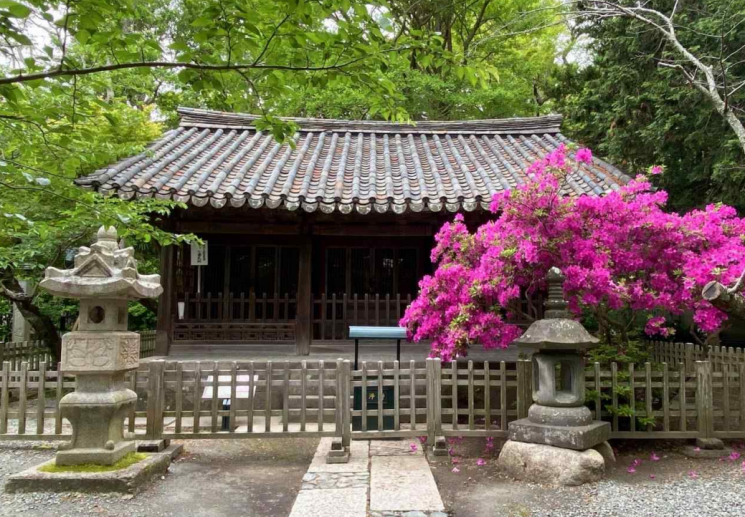
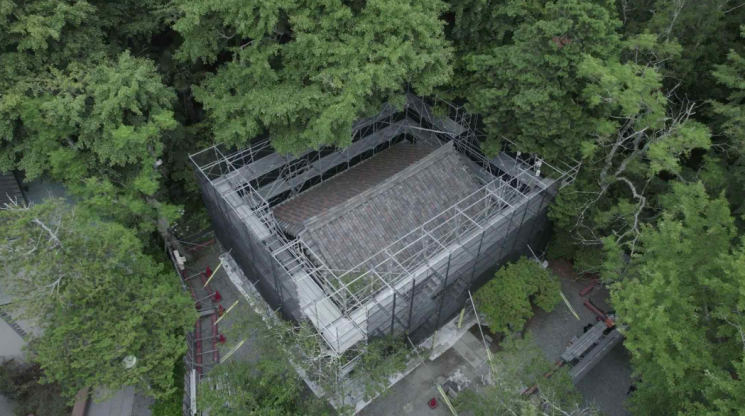
Within the grounds of Kodokwon in Kamakura, Kanagawa Prefecture, Japan, there stood a Korean building that had withstood a century of humid winds. This wooden structure, believed to have been a royal shrine, is known as Gwanwoldang. After being relocated from Tokyo to Kamakura in the early 20th century, it completed its journey of over a hundred years and finally returned to its homeland in June of this year.
To mark the 80th anniversary of Korea’s liberation, the National Heritage Administration and the Overseas Korean Cultural Heritage Foundation will hold a special exhibition titled "The Return of Gwanwoldang: Walking Through Time" at Gyejo-dang in Gyeongbokgung Palace from December 24. The exhibition commemorates the first case in which a piece of Korean architectural heritage, once taken abroad, has returned in its entirety after being dismantled and transported.
The return of Gwanwoldang is the result of the noble conviction of Sato Takao, the chief priest of Kodokwon. Believing that "cultural heritage must return to its roots," he personally covered all costs of dismantling and transportation, despite having no legal obligation to do so. He also announced his intention to donate the prize money from the Presidential Commendation awarded by the Korean government for fostering goodwill between Korea and Japan to Kwak Changyong, Secretary General of the Overseas Korean Cultural Heritage Foundation. This act has demonstrated to the world that the repatriation of cultural heritage is not a source of conflict between nations, but rather a universal public task grounded in shared humanity.
Inside the Gyejo-dang exhibition hall, visitors will encounter the "framework" of Gwanwoldang, temporarily dismantled for its return. Structural elements such as the ridge beam and king post, which bore the weight of the roof, and the decorative bargeboards that adorned the eaves, all reveal the resilience and intricate craftsmanship of Joseon architecture. Especially notable are the ornamental end tiles, meticulously carved with dragons, spiders, bats, and demon faces, eloquently attesting to the building’s dignity.
Gwanwoldang is a gabled-roof building with three bays at the front and two on the side, constructed mainly from pine and zelkova wood. Its interior features a coffered ceiling, a design reserved for only the most formal spaces. Experts believe the building was erected in the late 19th century to embody the dignity of the Joseon royal family.
The exhibition is open free of charge to anyone visiting Gyeongbokgung Palace. After the exhibition ends, the National Heritage Administration plans to carry out a detailed preservation of Gwanwoldang’s components and will consider a complete restoration in the future.
© The Asia Business Daily(www.asiae.co.kr). All rights reserved.
![Clutching a Stolen Dior Bag, Saying "I Hate Being Poor but Real"... The Grotesque Con of a "Human Knockoff" [Slate]](https://cwcontent.asiae.co.kr/asiaresize/183/2026021902243444107_1771435474.jpg)
















