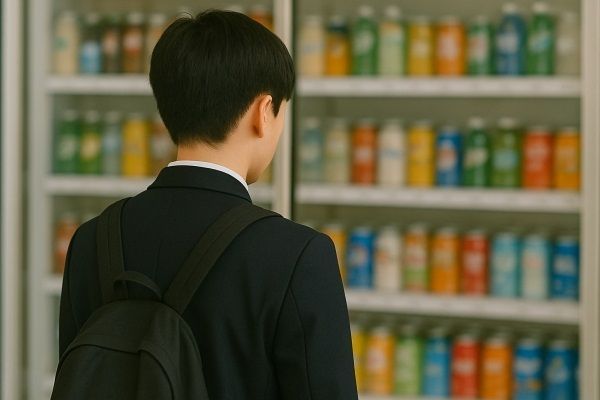
The dietary habits of adolescents are changing rapidly. Natural foods like milk are gradually disappearing from the table, replaced by high-sugar sweetened beverages, high-caffeine coffee drinks, and various processed desserts. Convenience stores and cafes have become the most accessible places for teenagers after school, and ultra-processed foods, which offer sweet flavors and immediate stimulation, have become a routine choice. The problem is that this shift is not just a matter of personal preference; it is increasingly identified as a risk factor directly linked to brain health during adolescence.
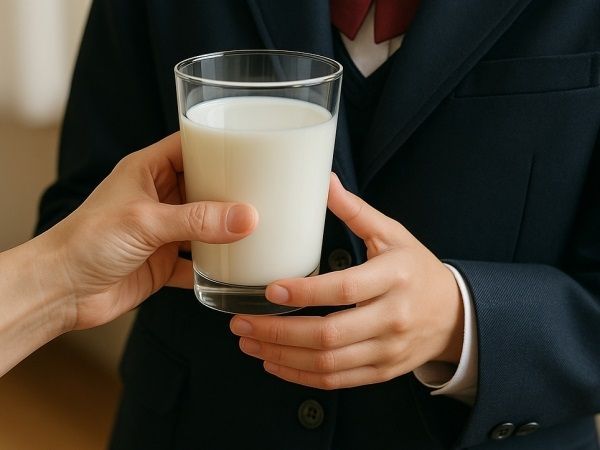
Milk has long been considered a representative natural food and a complete food. This is because it provides essential nutrients for growing bodies and brain function-such as calcium, high-quality protein, B vitamins, and phosphorus-in a natural form without artificial additives. In particular, B vitamins and protein play a crucial role in neurotransmission and energy metabolism, which are vital for learning and maintaining concentration. Since neural networks in the brain are actively forming during adolescence, the importance of foods with low stimulation and stable nutritional balance becomes even greater.
In contrast, ultra-processed foods that have become familiar to teenagers in recent years are known to provide immediate stimulation and satisfaction due to their high sugar, fat, and caffeine content, but have been criticized for their poor nutritional balance. A study by a research team at the University of North Carolina (UNC) School of Medicine demonstrated that repeated consumption of these foods can affect not only the body but also the brain.
The research team at the University of North Carolina (UNC) School of Medicine observed that, even after a relatively short period of consuming high-fat processed foods, the activity of neurons in the hippocampus-a brain region essential for memory formation and learning-changed abnormally in the test subjects. The researchers explained that these changes could interfere with the brain's ability to accurately store memories and filter out unnecessary information, and that declines in brain function could begin even before visible changes such as weight gain or obesity appear.
The warning from this study is clear: the impact of ultra-processed foods does not only emerge over time, but can directly affect brain function even within a relatively short period. This is especially concerning because adolescent brains, which are not yet fully developed, are even more sensitive to such stimulation. In South Korea as well, experts continue to emphasize the need to consider declines in concentration, sleep problems, and emotional instability among teenagers in connection with changes in dietary habits.
Amid these trends, the role of natural foods is once again drawing attention. Milk stands in clear contrast to ultra-processed foods in that it stably provides the nutrients needed for the brain and body without causing sharp spikes in blood sugar or neural stimulation. As a food that can supply sufficient daily energy and nutrition without relying on overly stimulating flavors, it is considered well-suited as a staple in the diets of growing adolescents.
Nutrition experts state, "The types of foods adolescents are regularly exposed to during this period shape their lifelong eating habits and perceptions of health," adding, "In an environment where ultra-processed foods are the norm, natural foods like milk can serve as a buffer to protect brain health." This means the focus should not be on treating any single food as a cure-all, but rather on restoring balance to a diet dominated by stimulation.
The University of North Carolina study adds weight to the warnings in today’s adolescent environment, where ultra-processed food consumption has become routine. Brain function responds to dietary changes more quickly than expected, and the effects accumulate quietly but unmistakably. This is precisely why natural foods like milk deserve renewed attention.
© The Asia Business Daily(www.asiae.co.kr). All rights reserved.
![Clutching a Stolen Dior Bag, Saying "I Hate Being Poor but Real"... The Grotesque Con of a "Human Knockoff" [Slate]](https://cwcontent.asiae.co.kr/asiaresize/183/2026021902243444107_1771435474.jpg)
















