Easing the Burden of Managing Foreign Seasonal Workers for Farms
Achieving the Nation's Top-Level Public Management System
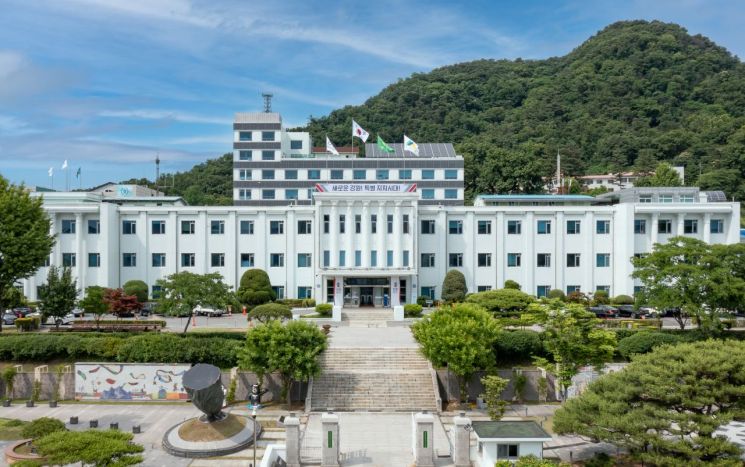
On December 18, Gangwon Special Self-Governing Province announced that eight cities and counties within the province, totaling 20 locations, had been selected in the Ministry of Agriculture, Food and Rural Affairs' public contest for the "2026 Rural Workforce Brokerage Center (Public Seasonal Worker Center)." With this, the province achieved the highest level of public seasonal worker center operations among metropolitan local governments nationwide.
A total of 85 cities and counties and 151 agricultural cooperatives nationwide applied for this contest. The Ministry of Agriculture, Food and Rural Affairs comprehensively evaluated the effectiveness of the operation plans, project implementation records, dedicated workforce, infrastructure for foreign seasonal workers' accommodation and transportation, as well as human rights and safety management systems, ultimately selecting 130 agricultural cooperatives across the country.
As a result, Gangwon Province accounted for 20 of the selected locations, representing about 16% of the national total. This achievement is recognized as the result of the province's proactive efforts to expand the public foreign seasonal worker policy on the ground.
In particular, the province received high marks for significantly expanding the number of public seasonal worker centers from 13 in 2025 to 20 in 2026. This not only addresses the short-term need for increased foreign seasonal labor but also establishes a stable, public employment and management system led by local governments and agricultural cooperatives.
The public seasonal worker center is a system in which agricultural cooperatives directly employ foreign seasonal workers and dispatch them to farms on a daily basis according to farmers' requests. This public operation model allows for institutional management of employment stability and protection of workers' rights.
Until now, the foreign seasonal worker system has mainly operated under a farm-based model, where individual farms directly managed and operated workers. However, there have been ongoing concerns from the field about the limitations of farm-level management, including language barriers, the burden of managing employment contracts and attendance, and issues related to accommodation and transportation.
To address the limitations of direct farm management, the province has expanded the operation of public seasonal worker centers, where agricultural cooperatives directly employ and manage workers. The policy direction has shifted to a management system in which the public sector is responsible for the expertise and stability of worker management. As a result, working conditions and protection of workers' rights have been strengthened, and farms are now able to focus more on agricultural activities.
To ensure the stable operation of these public seasonal worker centers, the province provides approximately 100 million won in operating expenses per center (funded by both national and local governments), covering costs such as salaries for dedicated staff, transportation expenses, interpreter wages, and accommodation support. This financial support helps ensure that the public foreign seasonal worker system is firmly established in the field.
Seok Sungkyun, Director of Agricultural Policy for Gangwon Special Self-Governing Province, stated, "Labor shortages in agriculture caused by rural aging and declining farm populations are common structural challenges faced by rural areas across the country. Going forward, we will foster public seasonal work as a core agricultural policy to enhance the sustainability of the agricultural sector and firmly establish a stable rural workforce supply system."
© The Asia Business Daily(www.asiae.co.kr). All rights reserved.
![Clutching a Stolen Dior Bag, Saying "I Hate Being Poor but Real"... The Grotesque Con of a "Human Knockoff" [Slate]](https://cwcontent.asiae.co.kr/asiaresize/183/2026021902243444107_1771435474.jpg)
















