Partial Amendment to the Enforcement Decree of the National Health Insurance Act Approved by Cabinet
Maximum Reward for Reporting Improper Health Insurance Claims Raised from 2 Billion KRW to 3 Billion KRW
The period during which outpatients’ copayment rates are reduced for preterm infants will be extended by up to four additional months. The maximum reward for reporting individuals or medical institutions that have improperly received National Health Insurance benefits will also be increased to 3 billion KRW.
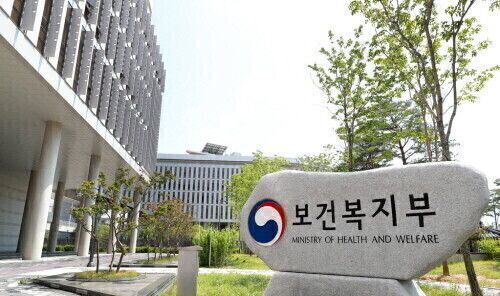
The Ministry of Health and Welfare announced on December 16 that the Cabinet has approved a partial amendment to the Enforcement Decree of the National Health Insurance Act reflecting these changes.
Under the amendment, the period for copayment reduction for all preterm infants, which had previously been uniformly applied for up to five years from birth, will now be extended to a maximum of five years and four months. The reduction period will be differentiated, taking into account the corrected gestational age based on how early the infant was born.
Currently, for children aged one year or older but under six years, the outpatient copayment rate is 70% of that for general patients, but for preterm infants, only 5% is applied. This aims to ease the burden on caregivers. Going forward, if the gestational period is between 33 weeks and less than 37 weeks, the copayment reduction will apply for up to five years and two months from birth; if the gestational period is between 29 weeks and less than 33 weeks, up to five years and three months; and if the gestational period is less than 29 weeks, up to five years and four months.
The amendment also raises the maximum reward for reporting improper claims related to health insurance from the previous 2 billion KRW to 3 billion KRW. Under the previous regulations, the maximum reward for reporting was 5 million KRW for the general public and 2 billion KRW for internal personnel, creating a discrepancy. Now, the calculation criteria for reporting rewards will be unified regardless of the type of informant, and the maximum reward will be increased to encourage more reports of improper claims and to prevent financial leakage from the National Health Insurance fund.
The period during which copayments for additional consultations or tests are waived following health screening results will also be extended by two months. Currently, if a general health screening result suggests hypertension, diabetes, tuberculosis, depression, or early psychosis, the patient is exempted from the copayment for the first outpatient consultation or test at a hospital or clinic. This exemption period, which previously ended on January 31 of the following year, will now be extended to March 31 of the following year, taking into account the annual surge in health screenings at year-end.
For 2026, the health insurance premium rate for both employee subscribers and local subscribers will increase from 7.09% this year to 7.19% next year. The amount per assessment point for local subscribers’ property insurance premiums will change from 208.4 KRW to 211.5 KRW.
The amendment will take effect from the date of promulgation. However, the extension and differentiation of the outpatient copayment period for preterm infants and the application of the 2026 health insurance premium rate will take effect from January 1 of next year.
Lee Jungkyu, Director of the Health Insurance Policy Division at the Ministry of Health and Welfare, stated, "This amendment to the enforcement decree is expected to improve the National Health Insurance system by increasing convenience for preterm infants, their caregivers, and health screening recipients, as well as by enhancing the stability of the National Health Insurance fund."
© The Asia Business Daily(www.asiae.co.kr). All rights reserved.

















