Sharp Rise in Norovirus Cases
Ministry of Food and Drug Safety Urges Adherence to Personal Prevention Guidelines
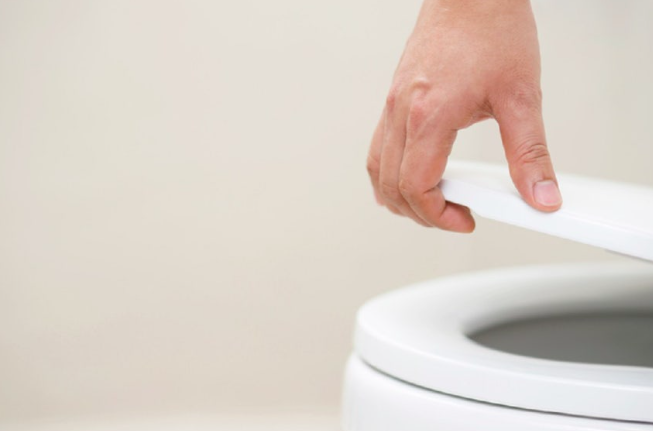
As winter begins in earnest and norovirus infections show signs of spreading, health authorities have issued a warning, urging the public to take precautions. In particular, there are concerns that the habit of flushing toilets without closing the lid can increase the risk of virus transmission.
Norovirus Surges in Winter... Over Half of Cases Concentrated in This Season
According to the Ministry of Food and Drug Safety on December 15, reports of suspected norovirus food poisoning have been on the rise recently. Over the past five years, the ministry recorded a total of 234 cases of norovirus food poisoning, with more than half-53%-occurring during the winter season.
Infection routes include consuming water or food contaminated with norovirus, person-to-person transmission through contact with infected individuals, or infection caused by droplets from the secretions of patients. After being infected with norovirus, symptoms such as vomiting and diarrhea typically appear within 12 to 48 hours, and some people may also experience abdominal pain, chills, or fever.
Norovirus tends to occur most frequently among young children (ages 0 to 6), who often find it difficult to maintain personal hygiene and usually live in group settings. The virus has a wide variety of genotypes, and immunity after infection lasts for a relatively short period-up to about 18 months-so even those who have previously contracted norovirus can become reinfected.
Prevention in Everyday Life Is Key, from Handwashing to Toilet Use
Norovirus particles are small and adhere strongly to surfaces, so it is important to thoroughly wash your fingers and the backs of your hands with soap or cleanser under running water for at least 30 seconds. Fruits and vegetables should be soaked and then washed thoroughly under running water, and if raw seafood products such as oysters are labeled for cooking, they must be heated to a core temperature of at least 85 degrees Celsius for more than one minute before consumption.

Additionally, after vomiting or using the toilet, it is advisable to close the toilet lid before flushing. In fact, domestic and international studies have shown that when a toilet is flushed, a column of small liquid droplets can spread in all directions, dispersing bacteria over long distances. According to an experiment by a research team at the University of Colorado Boulder, the aerosol phenomenon (where biological agents are dispersed as fine particles in the air) caused by flushing a toilet can spread up to about 1.5 meters within 8 seconds.
Furthermore, a joint study by Yuhan-Kimberly and Kookmin University on the "Contamination Characteristics of Particulate Matter Dispersed by Toilet Flushing" found that when the toilet is flushed with the lid open, particles from direct-flush toilets can rise to a height of up to 92 centimeters and remain airborne for about one minute. During this process, the floor around the toilet, sinks, and handles may also become contaminated.
To prevent the spread of food poisoning caused by vomiting, the Ministry of Food and Drug Safety has distributed 36,000 "vomit disinfection kits" (including sanitary gloves, masks, disinfectant, towels, etc.) to childcare centers and facilities for young children nationwide. A ministry official stated, "We plan to continue promoting food poisoning prevention guidelines."
© The Asia Business Daily(www.asiae.co.kr). All rights reserved.


















