Pyeongchang County Successfully Treats 1,257 Hectares with Drones
The Pyeongchang County Agricultural Technology Center in Gangwon Province announced on December 13 that it has successfully completed its drone support project this year, which was implemented to reduce the labor burden and farming costs for local farmers during the busy season.
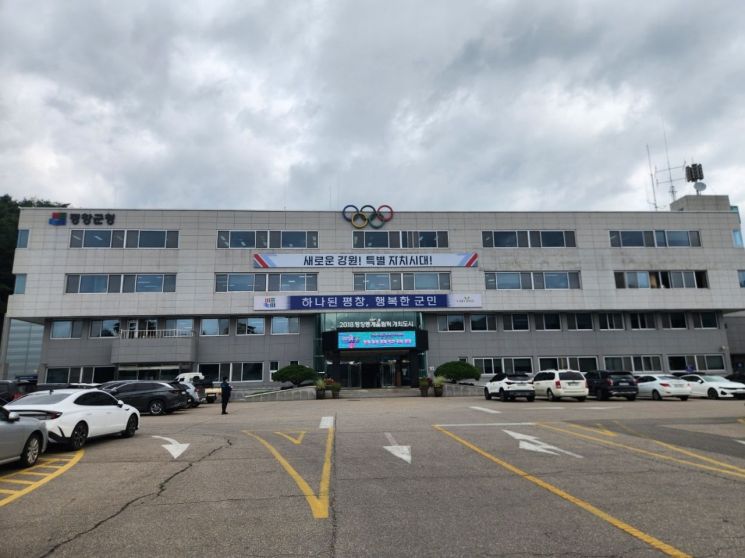
This project was launched to support farmers and forest owners who face difficulties in their work due to the aging rural population, labor shortages, and the region’s mountainous terrain. Using drones for precision pesticide spraying, the county treated a total of 1,257 hectares this year, a 38.7% increase compared to last year’s 906 hectares. In particular, this year saw a sharp rise in crop pests and diseases due to high temperatures and frequent rainfall, significantly increasing the burden of pest control for farmers. Under these circumstances, drone spraying proved to be highly effective.
In addition to pest and disease control, the county actively applied drone technology to pilot projects such as artificial pollination of fruit trees and the application of shading agents for greenhouses and livestock facilities, thereby improving work efficiency and productivity in agriculture. The use of drones enables large areas to be treated in a short time, helping to alleviate labor shortages and significantly enhancing worker safety by reducing exposure to chemicals.
Currently, Pyeongchang County is operating related support programs in cooperation with three private drone spraying teams in the area. Local farmers registered as agricultural business entities can apply directly to these private teams to participate in the program. After purchasing agricultural supplies, they are only responsible for the labor costs per area. Notably, as this is a county-subsidized project, 50% of the labor costs are covered by the county.
Won Kwangsik, head of the county’s Technical Support Division, stated, “Drone spraying played a major role this year, when weather and pest conditions changed rapidly,” adding, “We will continue to expand the use of drones to help reduce farmers’ labor burden and improve crop quality.”
© The Asia Business Daily(www.asiae.co.kr). All rights reserved.
![Clutching a Stolen Dior Bag, Saying "I Hate Being Poor but Real"... The Grotesque Con of a "Human Knockoff" [Slate]](https://cwcontent.asiae.co.kr/asiaresize/183/2026021902243444107_1771435474.jpg)















