The Maotai Myth Fades
"Major Chinese Liquor Companies Record Negative Growth for the First Time This Year"
"Need to Find Ways to Attract Younger Consumers"
At one time, the price of Maotai, China's most prestigious liquor, reached several million won, but it is now plummeting day after day. The Chinese liquor industry is reportedly suffering significant damage as well.
On December 12, multiple Chinese media outlets, including China Business Daily, reported that the price of Feitian Maotai, a well-known Chinese brand, has fallen below 1,500 yuan (approximately 313,400 won) for the first time.
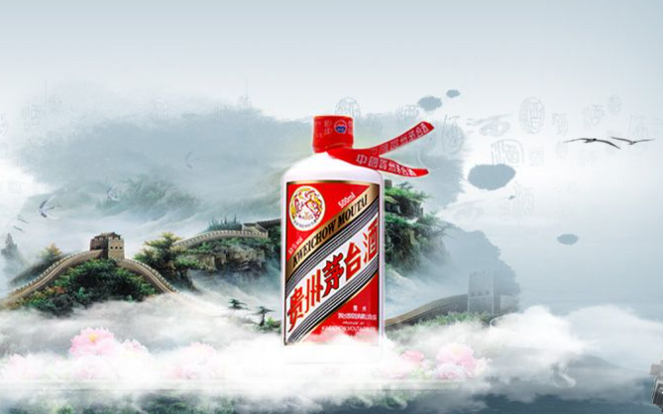
According to reports, the wholesale price of Feitian Maotai dropped by 15 yuan from the previous day to 1,495 yuan (about 310,000 won). Feitian Maotai has been on a downward trend throughout this year. In June, its price first fell below 2,000 yuan (approximately 410,000 won), and by October, the 1,700 yuan (about 350,000 won) level collapsed. Notably, during the large-scale discount events held by e-commerce platforms across China in early November, it was sold at prices even lower than the wholesale price, sparking controversy.
Sina Finance recently reported that the price of the famous brand Feitian Maotai is also declining, stating, "The Maotai myth is collapsing." The report added, "Maotai, once considered a guaranteed investment vehicle, is now causing losses for countless people."
According to these reports, sluggish sales and falling prices of Maotai have caused a tsunami in the Chinese liquor industry. Major liquor companies such as Wuliangye and Yanghe have recorded negative results for the first time this year. The reports further explained that the price drop has led to a surge in inventory, and small and medium-sized companies are also facing difficulties.
Sina Finance cited the "2025 China Baijiu Market Research Report" released by the China Alcoholic Drinks Association, stating, "In the first half of this year, 58.1% of Chinese liquor distributors faced cash shortages due to increased inventory."
The main cause of this downturn in the liquor industry is cited as declining consumer demand. During this year's Chinese holiday periods, liquor consumption dropped by 20-30% compared to the previous year, while inventory increased by 10-20%. Another significant factor is the liquor ban imposed by the Chinese government on May 18, 2025, which prohibits the serving of cigarettes and alcohol at official meals for party and government officials. This ban was introduced after a series of incidents in Hubei Province in central China and Anhui Province in the east, where officials died after consuming alcohol.
Sina Finance noted, "For those born in the 1960s and 1970s, premium baijiu, including Maotai, was a symbol of status, a social tool, and the undisputed champion of traditional drinking culture." However, as the generations have changed, Maotai has increasingly become associated with the mindset of the older wealthy class. Recently, young Chinese consumers have mainly chosen milk tea, fruit juice, non-alcoholic beverages, and beer, making the sluggish sales of Maotai an inevitable outcome. The report concluded, "Finding ways to attract younger consumers is the last opportunity for the Chinese liquor industry to transform itself."
© The Asia Business Daily(www.asiae.co.kr). All rights reserved.

















