Concerns Over Emotional and Academic Issues Due to Excessive Use
Sahmyook University announced on December 15 that a recent survey found that 4 out of 10 adolescents in Seoul are at risk of smartphone overdependence.
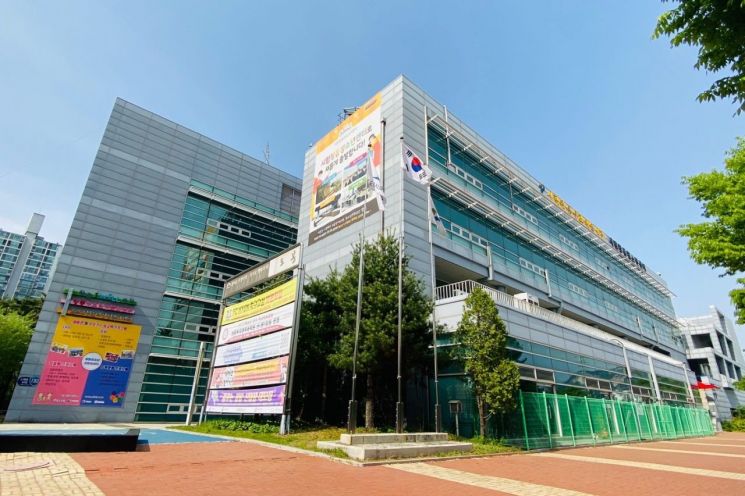
The Sahmyook University Changdong Internet Addiction Prevention Counseling Center, which is operated by Sahmyook University, recently released the "2025 Seoul Youth Smartphone and Digital Mental Health Status Report."
The survey was conducted over the month of July, targeting 957 adolescents in Seoul, ranging from sixth-grade elementary school students to university students. Using a self-report questionnaire, the survey consisted of a total of 84 items, covering topics such as smartphone overdependence, awareness and experience of deepfakes, digital trauma, and mental health.
The results showed that among Seoul's adolescents, 60.2% were classified as the general group, 32.7% as the potential risk group, and 7.1% as the high-risk group for smartphone overdependence. The total risk group accounted for 39.8% of respondents.
The risk was particularly pronounced among high school students. The proportion of high school students in the general group was 46.6%, the lowest among all age groups, while the high-risk group accounted for 13.1%, the highest among all groups.
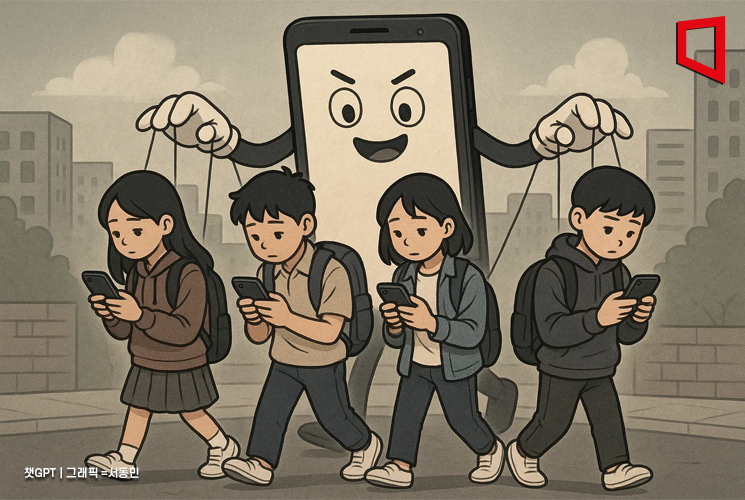
The survey also found that the lower the academic performance, the higher the proportion of those in the risk group. In addition, adolescents with lower satisfaction in friendships, school life, and family life were much more likely to fall into the high-risk group.
High school students also appeared vulnerable in terms of digital trauma. While 12.5% of all respondents were classified as the problem group, 26.1% of high school students fell into this category.
Furthermore, smartphone overdependence was found to be closely linked to mental health indicators such as depression, anxiety, stress, and sleep disorders. Elements of overdependence, such as failure of self-control, increased emotional instability, whereas satisfaction with social relationships served as a strong protective factor.
Psychological factors were also identified as important variables. Adolescents with higher levels of positive affect, self-acceptance, and life satisfaction showed relatively better stress-coping abilities, less impulsive smartphone use, and more stable sleep quality.
The research team pointed out the urgent need for tailored support, especially for high school students with a high proportion of high-risk individuals and groups with extensive digital risk experiences. They emphasized that "beyond simply restricting use, it is essential to strengthen psychological protective factors and build a robust social safety net."
© The Asia Business Daily(www.asiae.co.kr). All rights reserved.
![Clutching a Stolen Dior Bag, Saying "I Hate Being Poor but Real"... The Grotesque Con of a "Human Knockoff" [Slate]](https://cwcontent.asiae.co.kr/asiaresize/183/2026021902243444107_1771435474.jpg)
















