Keep Warm with Winter Gear, Prevent Injuries with Stretching
Apply Winter Rules, Avoid Playing in Hazardous Areas
Compact Swings, Adjust Distance for Frozen Course Conditions
This is the time of year that weekend golfers dislike the most. Winter makes it difficult to play a round. While it is still possible to get out on the course, a sudden cold snap could strike at any time. Thorough preparation is essential for those who want to step onto the course during winter.
Golf courses in Korea are located in mountainous areas, making them even colder. This increases the risk of serious injuries if one is not careful. Safety comes first. The cold causes muscles to tense up, raising the risk of injury. It is important to warm up thoroughly. If possible, arrive at the golf course early and use the driving range. Start lightly with short clubs, then gradually increase the intensity of your swing with longer clubs. This helps prevent muscle injuries that can occur from sudden exertion during play.
Stretching during the round is also highly beneficial. Walk briskly between holes to maintain your body temperature, and stretch frequently to improve flexibility. For the first two or three holes, it is better to walk instead of riding the cart. This helps loosen up stiff muscles and warms up the body.
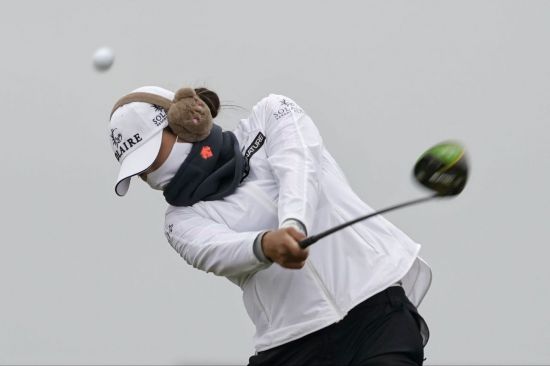 The most important thing during a round in winter is maintaining body temperature. Photo by AFP Yonhap News
Keeping warm is also important. Wearing thick sweaters or jackets can interfere with your swing, so layering is key. Start with thermal underwear, then a turtleneck, a fleece layer, a windbreaker, and finally a padded vest. During extreme cold, finish with windproof outerwear.
Accessories like wool hats, winter gloves, and neck warmers should always be kept in your golf bag. Placing two heat packs on either side of your belt will provide a "heater effect" throughout the round. Avoid drinking alcohol, as it actually lowers your body temperature.
Falls are common during winter golf, especially on stairs or cart paths. Slipping accidents often occur when moving in a hurry. Avoid running or rushing. It is also best to avoid spikeless golf shoes.
The winter rule is applied. If the ball is covered in dirt or lands in a divot or bunker footprint, making normal play impossible, a "no-penalty drop" is allowed. It is dangerous to hit shots from frozen areas or slopes near water hazards. Even if a pond is frozen, never attempt to walk on it.
Keep your swing more compact than usual. This helps reduce mishits and prevents injuries. Since the frozen turf increases the run of the ball, a three-quarter swing is often sufficient to achieve the desired distance.
On the fairway, use a sweeping swing. Hitting down on frozen ground can cause injuries. In the short game, it is wise to use a pitching wedge or similar club to roll the ball rather than trying to loft it. On the green, focus less on reading the break and make a firm stroke.
Prepare plenty of colored balls. If it suddenly starts snowing, white balls can be hard to see. Colored balls are highly visible and easy to find, especially in fluorescent colors. They also stand out in the rough, hazards, or out-of-bounds areas.
© The Asia Business Daily(www.asiae.co.kr). All rights reserved.

















