UK Microbiologist Advises Against Rewearing Socks
Warm and Moist Environment Favors Bacterial and Fungal Growth
It is not uncommon for people to rewear socks the next day, thinking it is wasteful to wash them after only brief use. However, experts have warned that this habit can significantly harm foot health. Socks accumulate not only sweat and dead skin cells generated by the feet, but also a variety of microorganisms introduced from external surfaces. As a result, even wearing them for just one day can cause a surge in bacteria, so it is recommended to replace and wash socks immediately after each use.
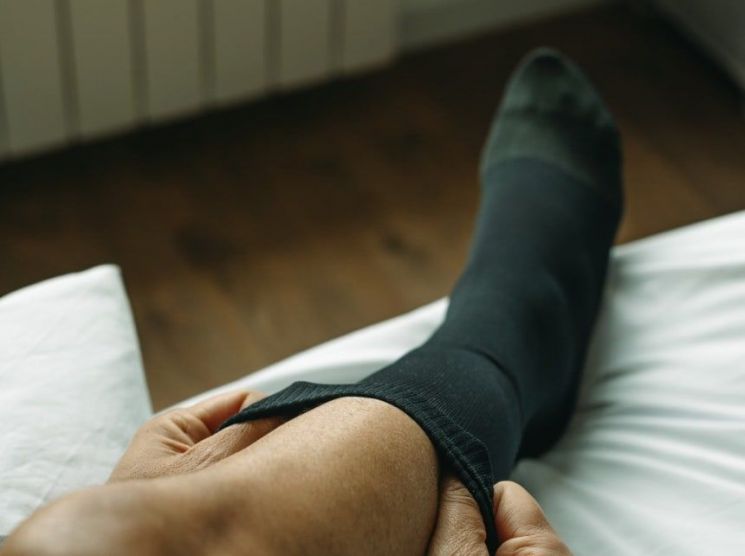 Experts have warned that the habit of rewearing socks without washing them can significantly harm foot health. Photo by Getty Images Bank
On December 9 (local time), the UK’s Independent cited a column by Dr. Primrose Freestone, a microbiologist at the University of Leicester, reporting that “rewearing socks without washing them can lead to a sharp increase in bacteria, raising the risk of foot diseases.”
Socks Harbor 100 Times More Bacteria Than T-Shirts
According to research, socks accumulate not only bacteria and fungi that inhabit the feet themselves, but also environmental microorganisms from floors, gyms, and outdoor surfaces. In a comparative experiment, around 80,000 microorganisms were detected on T-shirt samples, whereas socks harbored as many as 8 to 9 million. Additionally, socks were found to contain not only normal skin flora, but also potential pathogens such as Aspergillus, Candida, and Cryptococcus, which can cause respiratory and intestinal infections.
The feet have a high concentration of sweat glands, making them perpetually moist. Areas where ventilation is poor and temperatures are high, such as between the toes, are especially ideal for the growth of bacteria and fungi. During this process, substances that cause odor, such as the byproducts of sebum and protein breakdown, are generated, leading to unpleasant smells from the feet, socks, and shoes.
Bacteria in Socks Can Survive Up to 90 Days
The bacteria left in socks do not disappear in just a day or two. Research has shown that some bacteria can survive on cotton fabrics for up to 90 days. Dr. Freestone warned, “If you rewear unwashed socks, the remaining bacteria can multiply even faster, significantly increasing hygiene risks.”
Furthermore, microorganisms in socks can be transferred to any surface they come into contact with, such as shoes, beds, sofas, and floors. This increases the risk of spreading fungal infections like athlete’s foot to the surrounding environment. Dr. Freestone advised, “People with athlete’s foot should never share socks or shoes, and should avoid walking barefoot or only in socks in communal changing rooms and bathrooms.”
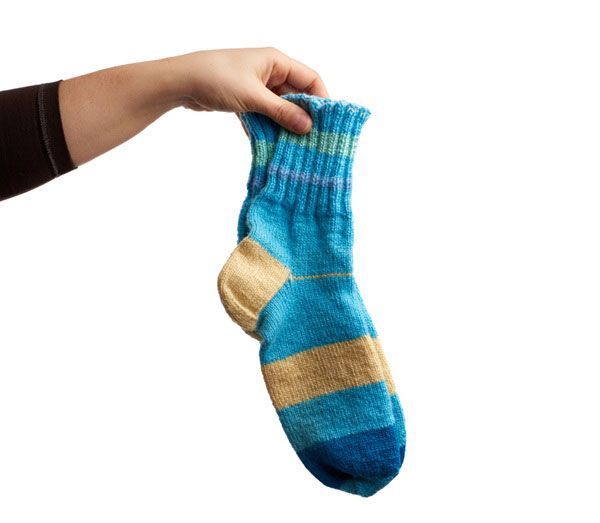 Socks that come into contact with feet that sweat a lot can see a surge of up to 9 million bacteria in just one day, which is more than 100 times the amount found on T-shirts, making hygiene precautions necessary. Clipart Korea
How to Reduce Foot Odor and Bacterial Growth
Experts recommend washing your feet twice a day to reduce foot odor and bacterial growth. If necessary, using a foot-specific antiperspirant can also help. Antibacterial socks containing silver or zinc can suppress odor-causing bacteria, and breathable products like bamboo socks promote rapid evaporation of sweat, creating an environment less conducive to bacterial growth. However, if you wear regular cotton, wool, or synthetic socks, it is best to wash them after each use to prevent bacterial proliferation.
The method of washing socks is also important. If foot odor is not severe, washing with mild detergent in lukewarm water at 30-40 degrees Celsius is generally sufficient. However, Dr. Freestone noted, “Washing at this temperature may not remove all bacteria and fungi,” and recommended using an enzyme detergent and washing at 60 degrees Celsius for thorough sterilization.

If only low-temperature washing is possible, using a hot steam iron can also be effective. Dr. Freestone stated, “Ironing at a high temperature of 180-220 degrees Celsius can eliminate most fungal spores, including those that cause athlete’s foot.” Drying socks in sunlight is also effective, as ultraviolet rays naturally destroy bacteria and fungi, providing an antimicrobial effect.
© The Asia Business Daily(www.asiae.co.kr). All rights reserved.
![Clutching a Stolen Dior Bag, Saying "I Hate Being Poor but Real"... The Grotesque Con of a "Human Knockoff" [Slate]](https://cwcontent.asiae.co.kr/asiaresize/183/2026021902243444107_1771435474.jpg)


















