Ministry of Land Analyzes Transactions from September to November
Mandatory Reporting of Foreigners' Residency Status and Other Details
Over the past three months, the number of housing transactions by foreigners in the Seoul metropolitan area has dropped by 40%. This is attributed to the designation of multiple areas in the metropolitan region as land transaction permit zones for foreigners starting in August this year.

According to data from the Ministry of Land, Infrastructure and Transport on December 9, there were 1,080 housing transactions by foreigners from September to November this year, a significant decrease compared to 1,793 transactions during the same period last year (September to November 2024). Non-resident foreigners are required to appoint a trustee after acquiring a property, but during this period, there was only one such trustee-designated transaction. In one area of Gyeonggi Province that was not designated as a foreigner land transaction permit zone, the number of these transactions dropped sharply to just one, compared to 56 in the same period last year.
In Seoul, foreign housing transactions fell to 179, about half the level of the same period last year. The three Gangnam districts and Yongsan District also saw a 48% decrease. In Seocho District, the number of transactions dropped from 20 to 5 over the same period. Previously, on August 21, the government designated all areas of Seoul, 23 cities and counties including Suwon in Gyeonggi Province, and 7 autonomous districts including Jung District in Incheon as land transaction permit zones, requiring foreigners to obtain local government approval when purchasing a home.
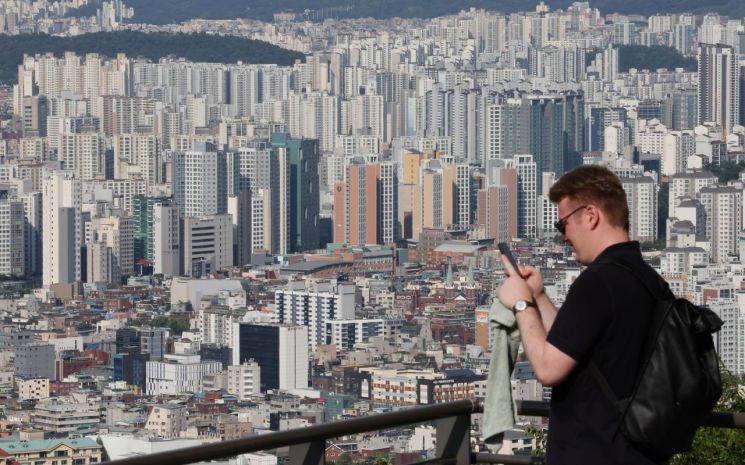
Meanwhile, an amendment to the Enforcement Decree of the Real Estate Transaction Reporting Act, which makes it mandatory for foreigners to report their residency status, address, and whether they have resided in Korea for more than 183 days when conducting real estate transactions, was promulgated on this day. The amendment will take effect on February 10 next year. Previously, these items were not required to be reported, so they had to be checked individually during transaction investigations. The Ministry of Land, Infrastructure and Transport explained, "This will help prevent illegal real estate activities such as unqualified leasing and tax evasion in advance, and also allow for timely review of trustee reporting appropriateness."
The amendment also includes a measure requiring submission of a funding plan and supporting documents when trading homes in land transaction permit zones. Previously, such documents were only required in speculative zones, but the requirement has now been expanded to permit zones. The funding plan must detail overseas funding sources, such as foreign loans, deposits, and the names of financial institutions, as well as domestic sources, including whether the deposit is being transferred and business-purpose loans. This is expected to make transaction investigations and tax collection much more efficient.
With the expansion of transaction reporting obligations under this amendment, the Ministry plans to upgrade the real estate transaction reporting system and electronic contract system within this month to improve convenience for both parties to transactions and licensed real estate agents. Park Junhyeong, Director of Land Policy at the Ministry of Land, Infrastructure and Transport, stated, "An institutional foundation has been established to prevent real estate speculation by foreigners. Based on this, we will proactively block speculative activities by foreigners, establish a real demand-oriented transaction order, and contribute to stabilizing housing prices."
© The Asia Business Daily(www.asiae.co.kr). All rights reserved.
![Clutching a Stolen Dior Bag, Saying "I Hate Being Poor but Real"... The Grotesque Con of a "Human Knockoff" [Slate]](https://cwcontent.asiae.co.kr/asiaresize/183/2026021902243444107_1771435474.jpg)

















