Withdrawal and Boycott Movements Spread
No Change Yet in Supplier Orders
Loyalty Remains Due to Logistics and Price Competitiveness
The anxiety triggered by the Coupang personal information leak incident is spreading to the food industry. While some consumers are showing signs of withdrawing or boycotting, suppliers are expressing concerns about potential sales disruptions. However, given Coupang’s user convenience and its resulting dominant market position, there are predictions that a large-scale customer exodus in the short term is unlikely.
According to the food industry on December 5, Coupang has maintained a unique position in the domestic e-commerce market, based on its Rocket Delivery service, fresh food logistics, and price competitiveness. Food companies in Korea have leveraged these strengths to significantly boost their online sales. This is why there are concerns that a decline in Coupang’s sales following the data breach could also impact supplier companies.
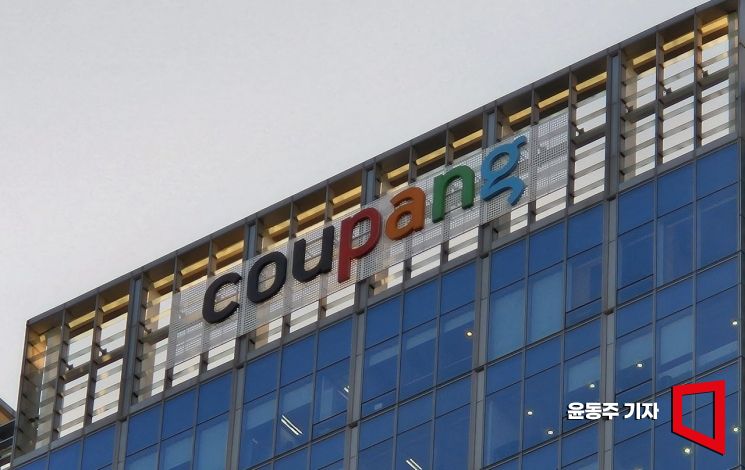 A massive personal information leak incident involving over 30 million cases occurred at Coupang. This scale surpasses the economically active population of 29.69 million, making it the worst leak incident in history. Photo by Dongju Yoon, Coupang headquarters on December 1, 2025.
Food Industry "Monitoring the Situation"... No Major Immediate Changes, but Anxiety Grows
Categories where delivery reliability is directly linked to purchase decisions-such as ready-to-eat meals, dairy products, and frozen or refrigerated foods-are expected to be hit harder. Due to Coupang’s direct purchasing structure, products already supplied are unaffected, but if sales and traffic decrease after the incident, future order volumes may shrink. This is the realistic assessment within the industry. Small and medium-sized food brands are even more vulnerable. Companies with limited presence on their own online stores or offline channels, and those that rely heavily on Coupang for sales, could see a decline in orders immediately translate into deteriorating cash flow.
However, the consensus in the food industry is that there have not yet been any tangible signs of reduced orders or adjustments in transactions. Because of Coupang’s direct purchasing structure, the risk of selling already supplied inventory lies with Coupang, and there have been no clear indications of a sharp drop in usage or specific food sales immediately following the incident. A food industry official stated, "While there is certainly some consumer anxiety, it is difficult to conclude that there will be a direct sales hit, since there are not enough alternative platforms to replace Coupang."
This outlook is rooted in the structure of the domestic distribution market. For products where delivery reliability is crucial-such as fresh foods, ready-to-eat meals, and dairy products-there are few platforms that can replace Coupang’s logistics infrastructure. Additionally, the short repurchase cycles in these categories mean that consumer behavior tends to quickly revert to normal. In the same vein, the US investment bank JP Morgan analyzed the Coupang incident, stating, "There is inconvenience and anxiety, but the possibility of a large-scale exodus is low."
Coupang Unlikely to See "Sudden Exodus"... Brand Trust and Repurchase Trends Are Mid-to-Long-Term Factors
However, this incident has served as a reminder of the risks associated with the food industry’s dependence on platforms. Since the COVID-19 pandemic, the proportion of online sales has surged, prompting food companies to restructure their distribution networks around platforms like Coupang and Naver. As a result, when an incident occurs on a particular platform, companies with a high level of dependence are once again recognizing that changes in platform trust can affect order volumes, promotional strategies, and sales trends.
The low level of security investment in the food industry is also being highlighted. As the industry makes extensive use of personal lifestyle data, such as customer addresses, contact information, and delivery details, this incident is expected to make it inevitable for companies to review and strengthen their security and data management systems.
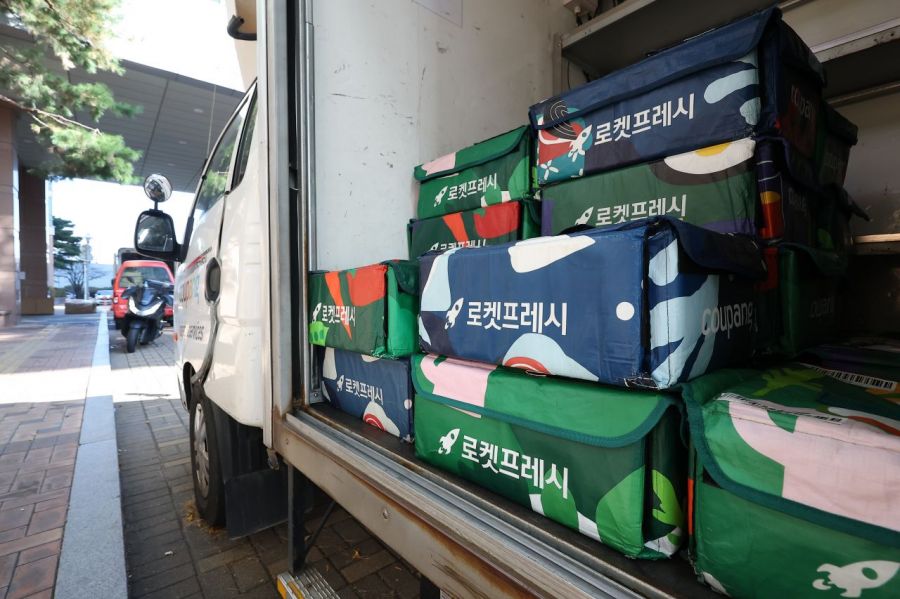
There are few cases where a data breach unrelated to product quality directly damages brand trust. Because food products have short purchase cycles and are closely tied to daily life, issues of information security and perceptions of quality tend to be separate. However, for product categories with frequent repeat purchases through Coupang, changes in repurchase rates may occur in the long term, depending on how quickly platform trust is restored. A food company official explained, "Even if there is no immediate change, what matters more is how consumer experiences accumulate in a situation where platform trust has been shaken."
The food industry is expected to gradually adjust its dependence on Coupang in response to this incident, while still maintaining cooperation with Coupang as a core distribution channel. In fact, some companies are considering strengthening their own online stores and subscription services, reviewing their customer data management systems, and expanding collaboration with alternative platforms such as Naver, SSG, and Kurly. This is part of risk management through distribution network diversification. However, given Coupang’s overwhelming position in domestic e-commerce, the general consensus in the industry is that food companies have no reason to voluntarily give up their main sales channel.
© The Asia Business Daily(www.asiae.co.kr). All rights reserved.


















