Antibiotic-Resistant "Superbug" Infections Reach Record High of 45,000 Cases This Year
CRE Infections Surpass Last Year's Total... Government Developing New Antibiotic Management Plan
In South Korea, cases of infections caused by antibiotic-resistant bacteria-commonly referred to as "superbugs" or "superbacteria"-have approached 45,000 this year, already surpassing last year's total. This year's infection count is the highest since annual statistics began being compiled. These infections can easily lead to various complications such as pneumonia, gastroenteritis, and sepsis, making treatment difficult and increasing mortality rates. As a result, the public health and medical burden is growing.
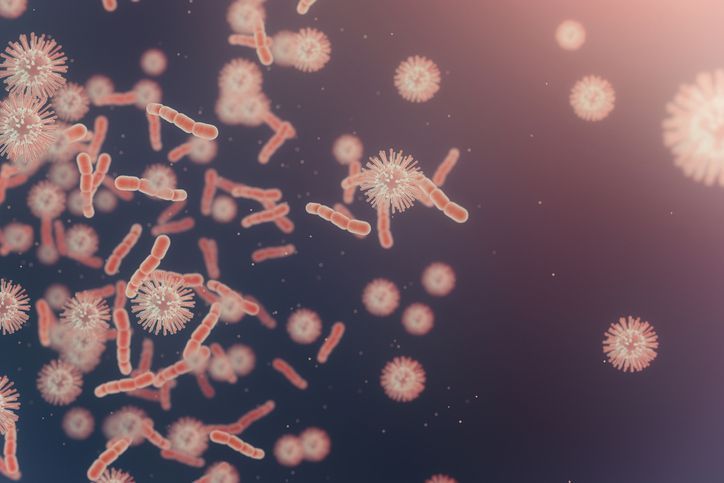
According to the Korea Disease Control and Prevention Agency (KDCA) on December 3, the number of reported cases of "carbapenem-resistant Enterobacteriaceae (CRE) infections" reached a provisional total of 44,930 as of December 1. This marks a 6.1% increase compared to last year's total of 42,347 cases, and is the highest since annual statistics began in 2018. Of these, 7,620 cases were reported among those aged 60 to 69, and 31,171 cases among those aged 70 and older, bringing the total for patients aged 60 and above to 38,791, which accounts for 86.3% of all cases.
Transmission Centered in Medical Institutions... Antibiotic Misuse Also Drives Spread
CRE infections are caused by strains of Enterobacteriaceae that are resistant to at least one carbapenem-class antibiotic. These infections are primarily transmitted within medical institutions through direct or indirect contact with infected patients or carriers, as well as contaminated equipment. The misuse of antibiotics is also cited as one of the causes.
Since being included in comprehensive surveillance in June 2017, there were 5,717 cases reported that year, followed by 11,954 in 2018, 15,369 in 2019, 18,113 in 2020, 23,311 in 2021, 30,548 in 2022, and 38,405 in 2023, showing a steady annual increase.
Treatment Challenges and Growing Socioeconomic Burden
Once infected with CRE, treatment is difficult because many antibiotics are ineffective. While the infection may initially manifest as a urinary tract infection, there is a high risk of progression to severe conditions such as pneumonia or sepsis, and in extreme cases, it can be fatal. The elderly and children with weakened immune systems are particularly vulnerable.
Such resistant infections prolong hospital stays and significantly increase medical expenses, leading to a heavier burden on the healthcare system and greater socioeconomic losses. The World Health Organization (WHO) identified antibiotic resistance as one of the "Top 10 Global Health Threats" in 2019 for these reasons.
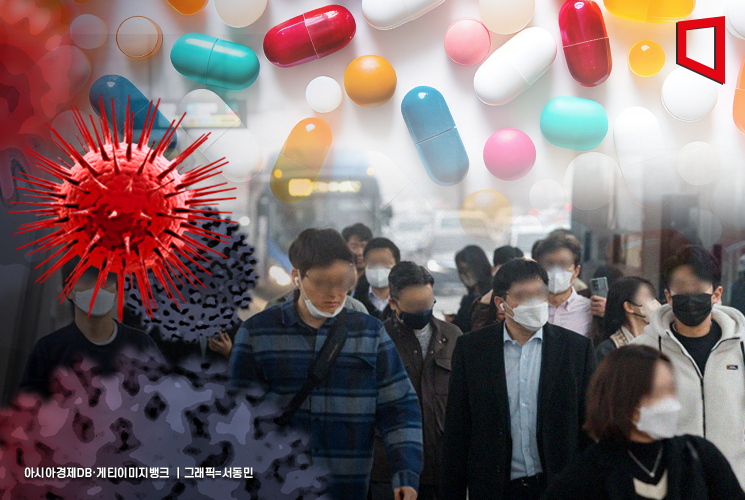
The KDCA is also taking the issue of antibiotic resistance seriously and is preparing the "Third National Antibiotic Resistance Management Plan (2026-2030)." The goals of this third plan are to protect treatment efficacy by reducing antibiotic use and to minimize the occurrence of antibiotic resistance through proactive infection prevention and management. The third plan is expected to be finalized as early as the end of this month.
South Korea Ranks Second in Antibiotic Use Among OECD Countries
As of 2023, South Korea's antibiotic use stood at 31.8 Defined Daily Doses (DID) per 1,000 people, ranking second among the 34 OECD countries with available data, following T?rkiye. This figure is significantly higher than the OECD average of 18.3 DID. In 2022, South Korea ranked fourth with 25.7 DID, which was 1.36 times the OECD average (18.9 DID), indicating that the situation has become even more serious.
© The Asia Business Daily(www.asiae.co.kr). All rights reserved.
![Clutching a Stolen Dior Bag, Saying "I Hate Being Poor but Real"... The Grotesque Con of a "Human Knockoff" [Slate]](https://cwcontent.asiae.co.kr/asiaresize/183/2026021902243444107_1771435474.jpg)


















