Excessive Expectations for LNG Carriers... Lower Contract Prices Could Be Negative
Naval Vessels to Drive Long-Term Growth... "Revenue Estimates Achievable"
The corporate value of shipbuilding companies fluctuates according to 'order expectations.' The market's anticipated order outlook is reflected in earnings estimates, and these raised estimates collectively drive up corporate value. This year, shipbuilding stocks surged sharply due to the immediate visibility of LNG carrier orders and expectations for naval vessel orders, which are still only in the planning stages. The question remains: can shipbuilding stocks continue this momentum into next year?
On December 4, Korea Investment & Securities released a report titled "Shipbuilding 2026 Outlook: Anatomy of Expectations," forecasting that next year, the shipbuilding industry will face both downside risks in LNG carrier orders and upside opportunities in naval vessel projects.
LNG Carrier Orders: 250 Million Dollars Per Vessel as the Benchmark
For short-term projects, where the appropriate valuation multiple (the level of earnings expectations relative to share price) is applied as it currently stands, simply raising order forecasts can increase corporate value. However, for long-term projects, these expectations cannot be immediately reflected in earnings estimates, so the market first raises the valuation multiple to price in these expectations. Once actual orders are confirmed, whether the multiple is maintained depends on the gap between estimates and reality.
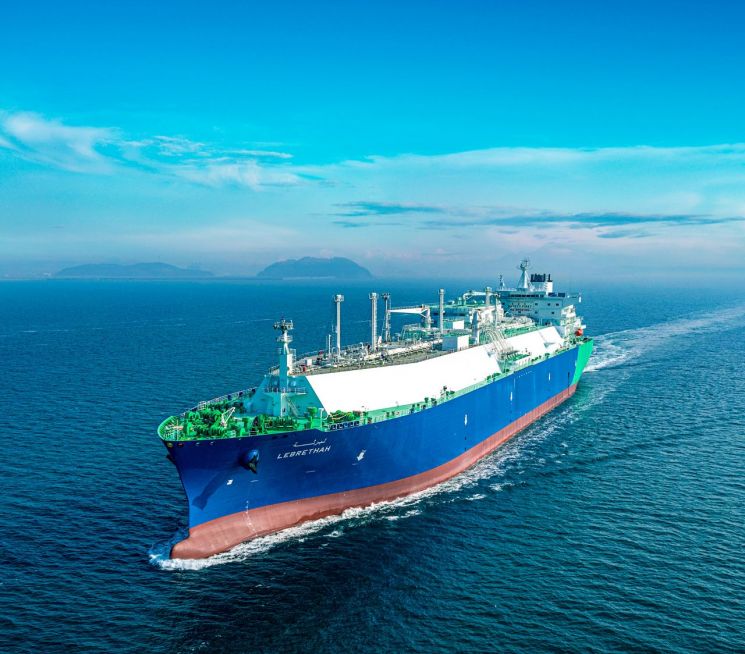
First, LNG carriers-a representative long-term project-are an area where the market is already excessively optimistic. The 2028 earnings consensus for the three major shipbuilders in Korea fully reflects expectations for deliveries scheduled in 2029. This is because, to estimate merchant ship earnings for 2028, one must assume the vessel types, sales volumes, and contract prices for the 2029 delivery slots. In particular, the market expects all delivery slots scheduled for 2029 to be sold at high prices. Therefore, if the current price level (about 250 million dollars per vessel) cannot be maintained, even additional order news is unlikely to have a positive impact on stock prices.
Naval Vessels: Projects Lined Up in Canada, the Middle East, Thailand, and More
The naval vessel sector is considered a long-term growth opportunity. Both domestic and international naval projects are still in the pre-contractor selection phase, making it difficult to immediately reflect them in earnings estimates. However, if orders are secured one after another, they can generate stable revenue over an extended period.
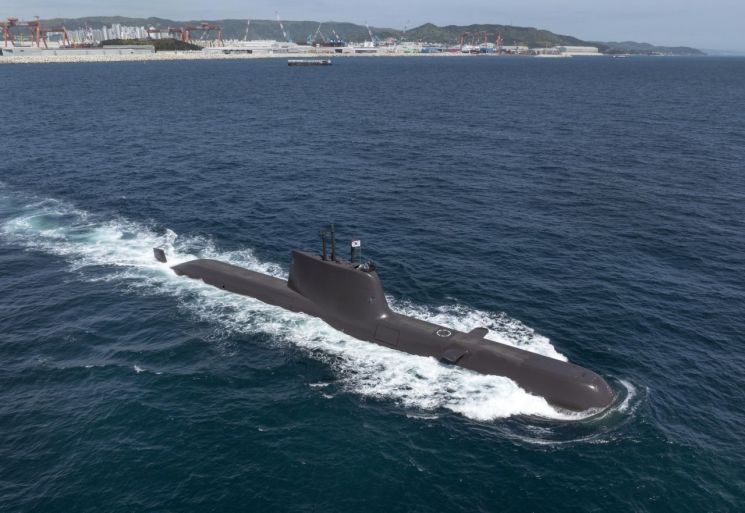
Currently, if the Korean shipbuilding industry secures all ongoing projects in Canada, the Middle East, Thailand, and other regions, it is expected to secure special ship sales worth approximately 31.8 trillion won by 2042. Revenue is projected to peak in 2033, at which point sales in the special ship segment are expected to increase by more than 3.09 trillion won.
Kang Kyungtae, an analyst at Korea Investment & Securities, commented, "Estimates do not yet reflect new naval shipbuilding projects in the United States, submarine projects in Peru, or the Korean next-generation destroyer (KDDX) program," and added, "We are optimistic about HD Hyundai Heavy Industries and Hanwha Ocean achieving their marine defense revenue guidance."
© The Asia Business Daily(www.asiae.co.kr). All rights reserved.
![Clutching a Stolen Dior Bag, Saying "I Hate Being Poor but Real"... The Grotesque Con of a "Human Knockoff" [Slate]](https://cwcontent.asiae.co.kr/asiaresize/183/2026021902243444107_1771435474.jpg)
















