MFDS Enacts and Amends Eight Laws Including Introduction of Biopharmaceutical Export Manufacturing Registration System
Expansion of Comprehensive GMO Labeling and Mandatory Cosmetics Safety Assessment
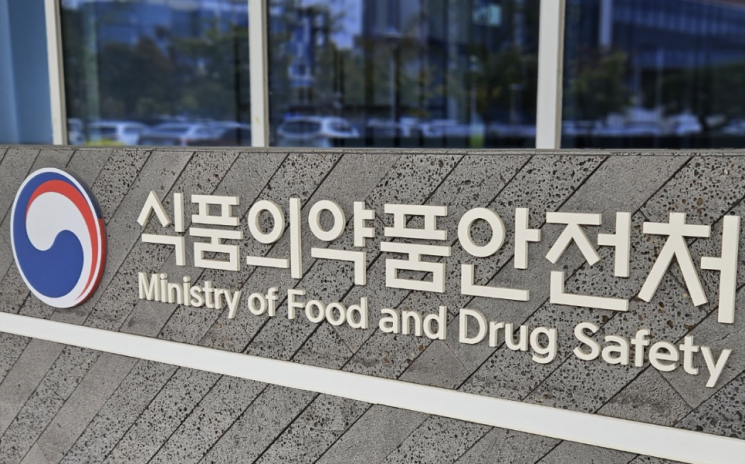
The Ministry of Food and Drug Safety announced that on December 2, the National Assembly passed the main session for the enactment and amendment of eight laws, including the "Special Act on Regulatory Support for Contract Development and Manufacturing Organizations (CDMO) of Biopharmaceuticals."
This special act provides legal and institutional regulatory support from the government to boost the credibility of overseas exports by the domestic biopharmaceutical CDMO industry, in response to the global trend of countries actively expanding their biopharmaceutical supply chains, such as vaccines, following the pandemic.
With the enactment of the special act, a new export manufacturing registration system for biopharmaceuticals-previously not regulated under the "Pharmaceutical Affairs Act" or the "Advanced Regenerative Bio Act"-will be established, creating a practical regulatory framework such as simplified customs clearance procedures. The act also provides a legal basis for Good Manufacturing Practice (GMP) certification for CDMO manufacturing facilities and will promote regulatory support for exports, including technical consultation.
Additionally, amendments to the "Food Sanitation Act" and the "Health Functional Food Act" have introduced a comprehensive labeling system for genetically modified foods (GMO) to expand consumers' right to know and guarantee their right to choose, and established grounds for labeling non-genetically modified foods (Non-GMO).
Until now, only foods containing genetically modified DNA or protein were required to be labeled as "genetically modified food (GMO)." Going forward, the scope of GMO labeling will be expanded to include foods designated by the Minister of Food and Drug Safety, even if genetically modified DNA or protein is no longer present after manufacturing or processing.
Foods that use non-genetically modified raw materials among GMOs approved for consumption, and that meet requirements such as the unintentional admixture ratio set by the Minister of Food and Drug Safety, will be allowed to be labeled as "not genetically modified food." The Ministry plans to determine the scope of GMO-labeled foods and the unintentional admixture ratio through sufficient communication with consumer groups and industry stakeholders.
With the amendment to the Cosmetics Act, cosmetic responsible sellers, who are responsible for managing the quality and safety of cosmetics during distribution and sales, must possess "safety assessment data" to prove that the cosmetics they sell are safe. Considering the prevalence of small businesses in the domestic cosmetics industry, this requirement will be introduced in phases from 2028 to 2031, depending on company size and product characteristics. Tailored one-on-one consulting and administrative and technical support will be provided to help small and micro businesses prepare safety assessment data.
Furthermore, the Ministry of Food and Drug Safety has amended the "Sanitary Products Management Act" to introduce new business categories for the repackaging and consumer refill sales of sanitary products, and has relaxed safety management regulations-such as facility standards and operator compliance requirements-to levels appropriate for repackaging and sales businesses. Through the amendment of the "Livestock Products Sanitary Control Act," certain processes such as processing, packaging, or storage of livestock products can now be carried out in food manufacturing and processing facilities. When egg sorting and packaging businesses sell eggs directly, self-quality inspections are now mandatory.
With the amendment to the "Narcotics Control Act," a legal basis has been established to allow changes to the basic narcotics control plan, which is currently established in five-year cycles. This enables timely management and response to narcotics when rapid policy adjustments are required due to changes in the policy environment.
The Ministry of Food and Drug Safety stated that it will continue to prioritize public safety and will keep revising related laws and regulations to reflect changes in the social environment.
© The Asia Business Daily(www.asiae.co.kr). All rights reserved.
![Clutching a Stolen Dior Bag, Saying "I Hate Being Poor but Real"... The Grotesque Con of a "Human Knockoff" [Slate]](https://cwcontent.asiae.co.kr/asiaresize/183/2026021902243444107_1771435474.jpg)











