Presenting Six Key Visions:
Global Exchange, Agricultural Innovation, Healing Tourism, and Balanced Development
"We Will Expand Changes That Residents Can Truly Feel"
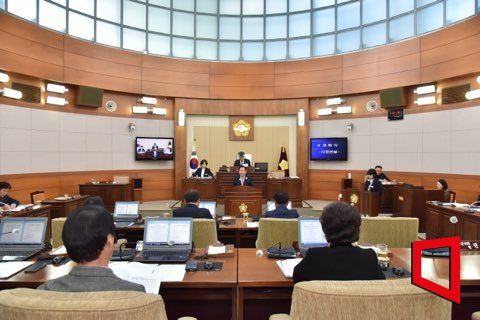
On November 19, Hyunguk Park, Governor of Bonghwa County, officially announced the direction for county administration in 2026 at the 276th regular session of the Bonghwa County Council.
Governor Park stated, "With the participation and support of our residents, visible changes are taking place in Bonghwa," and added, "Now, we will spread this momentum for progress throughout all areas of county administration."
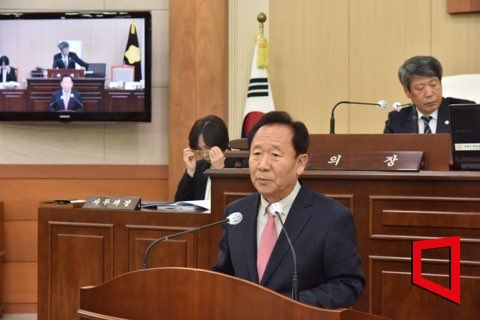
He explained that during the eighth term of the popular election, various achievements have materialized, including the establishment of smart farms, selection as a candidate for the preliminary feasibility study for a pumped-storage power plant, laying the foundation for the K-Vietnam Valley, fostering the forest and healing industries, improving residential environments, developing the Cherry Blossom Ending Festival, and completing specialized accommodation facilities in Santa Village.
He then presented six key policy directions for Bonghwa County: advancing as a global cultural exchange hub, strengthening agricultural competitiveness, establishing the foundation to become the nation's top tourism city, realizing inclusive welfare without discrimination, building a city that integrates forestry and healing, and implementing a balanced development strategy through regional development.
Pursuing a global culture-medical fusion model, Bonghwa County plans to actively promote the nationalization of the K-Vietnam Valley project and expand medical infrastructure by attracting a medical check-up center, thereby establishing a new regional economic model that combines tourism and medical services. The county will also broaden the foundation for international exchange by expanding opportunities for foreign residents and multicultural families to settle and participate in the community.
Accelerating the transition to future agriculture with smart farming, young farmers, and subtropical crops, the county will continue to strengthen policies focused on the future of agriculture, such as expanding smart farms, developing subtropical crops, enhancing water infrastructure, promoting joint farming, and nurturing young farmers. The county will also improve the foundation for a stable agricultural workforce by protecting the rights and improving the working conditions of foreign workers.
Building a stay-type tourism city: "Competing with Bonghwa's unique content," the county will enhance tourism infrastructure by revamping the Sweetfish and Pine Mushroom Festivals, creating unique accommodations and adventure-type resorts, completing the Pet Village ahead of schedule, and installing zip lines and observation decks. Efforts to improve the quality of life for residents will be made by developing parks for recreational sports and expanding cultural facilities.
Expanding the forest healing industry as a national single model, Bonghwa will industrialize its forest and healing resources by strengthening the functions of the Munsusan Natural Recreation Forest and Forest Welfare Complex, attracting the National Forest Safety Institute, and designating an inland healing zone. The county will also expand new programs such as meditation and therapy.
Expanding life-cycle welfare and promoting balanced development strategies, Bonghwa will strengthen integrated care systems, support nursing expenses, introduce smart senior centers, and provide youth vouchers to enhance welfare throughout all life stages. The county will also lay the foundation for balanced regional growth through rural space restructuring, urban regeneration projects, improvements to agro-industrial complexes, and strategies to vitalize local commercial districts. Safety policies, such as disaster prevention and maintenance of small rivers, will also continue to be implemented.
The 2026 budget is set at 580 billion won, focusing on future investment. Bonghwa County's budget proposal for 2026 totals 580 billion won, an increase of 18 billion won compared to this year's main budget. By sector, 130 billion won is allocated to strengthening agricultural competitiveness, 113 billion won to improving residents' welfare, 108.3 billion won to environmental protection and disaster prevention, and 78.9 billion won to transportation and regional development.
Governor Hyunguk Park said, "We have thoroughly excluded populist and wasteful spending to ensure that taxpayers' money is not wasted," and added, "We will make intensive investments in strategic projects that open the future, moving unwaveringly toward a greater and stronger Bonghwa."
© The Asia Business Daily(www.asiae.co.kr). All rights reserved.


















