High-Income Consumers Spend More on Premium Goods
Rising Delinquency Rates and Shrinking Consumption Among Low-Income Groups
Following the COVID-19 pandemic, global inflation has intensified, and the recent impact of tariffs has further exacerbated the polarization of consumer spending in the United States.
On November 16 (local time), the Los Angeles Times reported an analysis of recent changes in consumer trends based on sales performance and delinquency data from companies such as McDonald's, Delta Air Lines, and hotel chains.
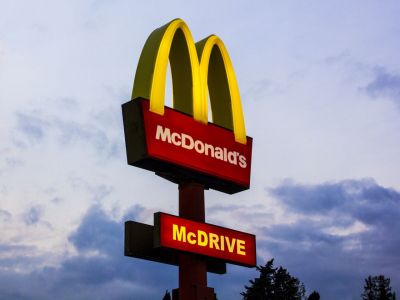
The controversy over the polarization of American consumers was sparked by McDonald's second-quarter earnings announced in August. McDonald's second-quarter sales reached 6.84 billion dollars, a 5% increase from the same period last year. However, visits from its main customer base-low-income consumers-declined by a double-digit percentage. In contrast, visits from high-income consumers increased by a similar margin, while visits from middle-income customers showed only a slight uptick.
This polarization in consumer spending is largely attributed to a sharp increase in McDonald's product prices. The average price of McDonald's menu items rose by 40% over the five years from 2019 to 2024. Specifically, the average price of a Big Mac increased from 4.39 dollars to 5.29 dollars during this period. The price of a 10-piece McNugget set also rose from 7.19 dollars to 9.19 dollars.
During the COVID-19 pandemic, excess global liquidity drove up prices, and former President Donald Trump's indiscriminate tariff policies served as an additional negative factor for product prices. The rapid rise in the U.S. benchmark interest rate was also one of the reasons that eroded the purchasing power of low-income groups. According to an analysis by credit scoring firm VantageScore of data on delinquencies of 60 days or more from January 2020 to September this year, the delinquency rate among households with annual incomes below 45,000 dollars surged after the pandemic and has not declined since 2022.
The heavy burden of housing costs has also reduced disposable household income. In 2023, the median residual income per month for renters with annual household incomes under 30,000 dollars, after deducting housing expenses, was just 250 dollars-a 55% decrease compared to 2001. Analysts say that the diminished purchasing power of low-income groups due to high inflation and high interest rates, contrasted with the relatively stable incomes of high-income groups, has triggered consumer polarization.
Delta Air Lines' second-quarter economy class sales fell by 5% compared to a year earlier, while premium seat sales increased by 5%. According to industry research firm CoStar, sales at luxury hotel brands such as Four Seasons and Ritz-Carlton rose by 2.9% so far this year, while sales at budget hotels declined by 3.1% over the same period.
© The Asia Business Daily(www.asiae.co.kr). All rights reserved.
![Clutching a Stolen Dior Bag, Saying "I Hate Being Poor but Real"... The Grotesque Con of a "Human Knockoff" [Slate]](https://cwcontent.asiae.co.kr/asiaresize/183/2026021902243444107_1771435474.jpg)















