2024 Housing Survey Results by the Ministry of Land, Infrastructure and Transport
Seoul's Price-to-Income Ratio Reaches 13.9
Most Needed Policy Support Is Home Purchase Loan Programs
As the number of households without their own homes and living in rental properties approaches 10 million, the dream of homeownership is becoming increasingly out of reach for many low- and middle-income families. In particular, it has been found that in Seoul, one would need to save their entire salary for about 14 years without spending a single won to afford a home.
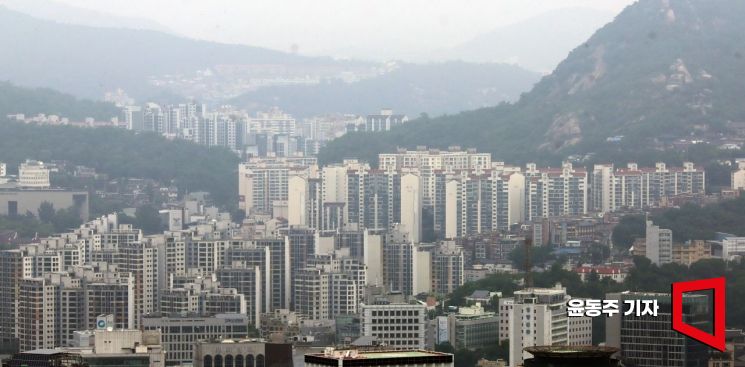
On November 16, the Ministry of Land, Infrastructure and Transport released the results of the "2024 Housing Survey," which involved in-person interviews with a sample of 61,000 households nationwide in the second half of last year. According to the survey, the median Price Income Ratio (PIR) for owner-occupied households in Seoul was 13.9. The PIR indicates the number of years it would take to purchase a home if one saved their entire salary. As of last year, this means it would take about 14 years of saving every penny of one's income to buy a home in Seoul. Following Seoul, the regions with the highest PIRs were Sejong (8.2), Gyeonggi Province (6.9), Daegu (6.7), and Incheon (6.6).
Rental Households Spend About 16% of Income on Rent
Last year, the median "rent-to-income ratio" (RIR) for rental households nationwide was 15.8%, the same as the previous year. In other words, renters spent 15.8% of their monthly income on rent. By region, the RIR for rental households fell from 20.3% to 18.4% in the Seoul metropolitan area, from 15.3% to 15.2% in major cities, and from 13.0% to 12.7% in provinces, compared to the previous year.
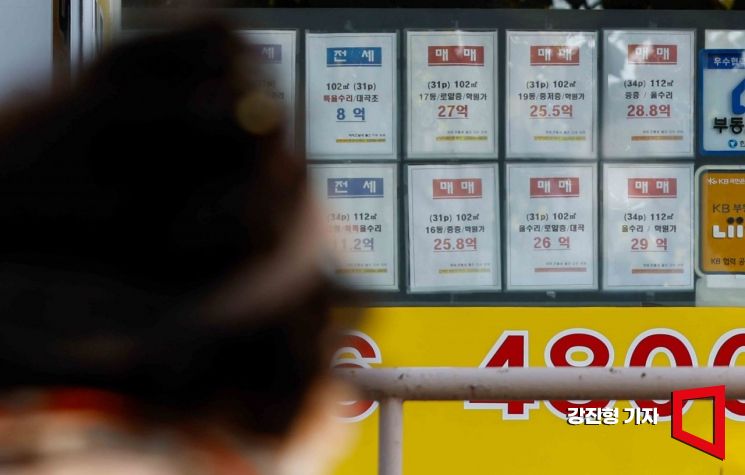 Last October, real estate sale and lease flyers were posted at an apartment complex in Gangnam-gu, Seoul.
The homeownership rate, which refers to the proportion of households owning a home regardless of whether they live in it, rose to 61.4% nationwide last year, up from 60.7% the previous year. By region, the homeownership rate increased in provinces (from 68.6% to 69.4%), major cities (from 62.3% to 63.5%), and the Seoul metropolitan area (from 55.1% to 55.6%). The self-occupancy rate, which measures the proportion of households living in their own homes, also rose to 58.5% nationwide, up from 57.4% the previous year. The self-occupancy rate increased in provinces (from 65.4% to 66.5%), major cities (from 58.9% to 60.0%), and the Seoul metropolitan area (from 51.9% to 52.7%). Last year, 58.4% of households were owner-occupied, while 38.0% were rental households.
Time to First Homeownership After Independence Is Increasing
The average period it takes for a household head to purchase their first home after becoming independent was 7.9 years, up two months from 7.7 years the previous year. The average living space per person remained unchanged at 36.0 square meters. By region, the average living space was largest in provinces (40.2 square meters), followed by major cities (36.7 square meters), and the Seoul metropolitan area (33.0 square meters). The average living space per household decreased slightly from 68.9 square meters in 2023 to 68.1 square meters last year. The proportion of households falling below the minimum housing standards under the Housing Act rose by 0.2 percentage points to 3.8%, compared to 3.6% the previous year.
Compared to the previous year, satisfaction with housing (from 3.01 to 3.03 points) and satisfaction with the residential environment (from 2.99 to 3.01 points) both increased. The average period of residence in the current home for all households was 8.4 years, up about five months from the previous year. By type of occupancy, owner-occupied households had an average tenure of 11.5 years, while rental households averaged 3.6 years. The proportion of households that had lived in their current home for less than two years was 30.3%, down from 32.2% the previous year.
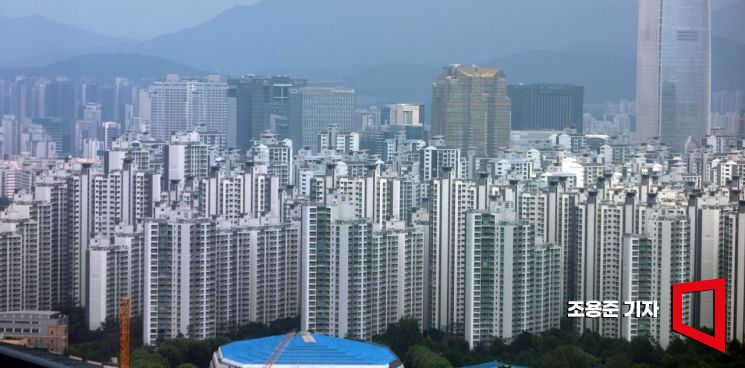
In a survey on attitudes toward homeownership, 86.8% of respondents said they believe they should own a home, indicating that the vast majority of households still value homeownership, though this figure was slightly lower than the previous year's 87.3%. The proportion of households stating that they need housing support programs was 38.2%, down from 40.6% the previous year. The most requested forms of housing support were "support for home purchase loans" (32.0%), "support for jeonse deposit loans" (27.8%), "monthly rent subsidies" (12.2%), and "supply of long-term public rental housing" (10.9%), in that order.
When Asked About Adequate Living Space for Marriage, the Answer Was '76 Square Meters'
Among young households, 82.6% lived in rental housing, and the proportion living in non-residential properties, including officetels, reached 17.9%. Among newlyweds, 43.9% lived in their own homes, with apartments accounting for the majority (73.4%). Among elderly households, 75.9% lived in their own homes, with a high proportion (39.2%) residing in detached houses. When unmarried households were asked about the appropriate living space for marriage, they responded that an exclusive area of 75.8 square meters was necessary, which is larger than the surveyed average living space last year (68.1 square meters).
© The Asia Business Daily(www.asiae.co.kr). All rights reserved.
![Clutching a Stolen Dior Bag, Saying "I Hate Being Poor but Real"... The Grotesque Con of a "Human Knockoff" [Slate]](https://cwcontent.asiae.co.kr/asiaresize/183/2026021902243444107_1771435474.jpg)

















