K-Leggings Gain Popularity Amid Running Craze
Athleisure Thrives Despite Fashion Industry Downturn
As the running craze continues, the athleisure (everyday activewear) market is expanding its growth, even amid a downturn in the fashion industry. Athleisure refers to activewear such as leggings and training pants that can be worn as everyday clothing.
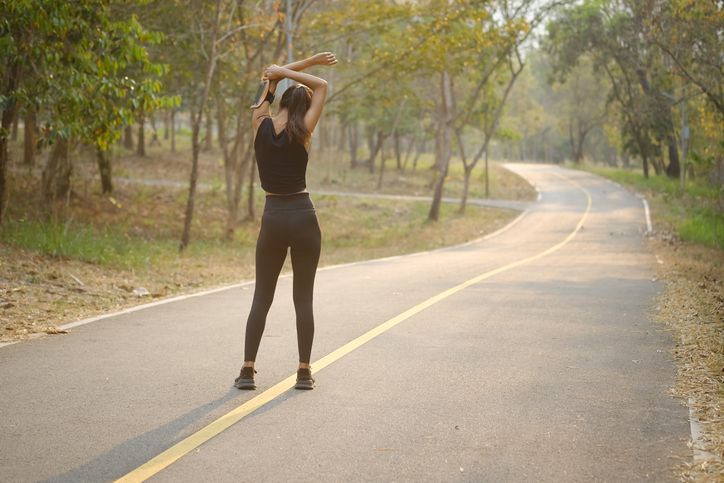
According to the fashion industry on November 15, Andar, Xexymix, and Hyungji Elite achieved their highest-ever quarterly sales in the third quarter of this year.
Andar recorded third-quarter sales of 77.4 billion won, the highest ever for a third quarter, with cumulative sales reaching a record 213.2 billion won. Xexymix posted consolidated third-quarter sales of 69.9 billion won and operating profit of 6.1 billion won, marking its best-ever quarterly results. Hyungji Elite reported consolidated third-quarter sales of 44.6 billion won and operating profit of 7.5 billion won. Compared to the same period last year, sales and operating profit increased by 34% and 402%, respectively.
Analysts attribute the strong performance of athleisure brands, even as the overall fashion market contracts, to changes in consumer lifestyles. Athleisure is increasingly perceived as multi-purpose fashion that encompasses work, leisure, and exercise, rather than just simple activewear. The culture of wearing activewear naturally-whether on the way to work, at cafes, during weekend walks, or at running meetups near the office-has become widespread.
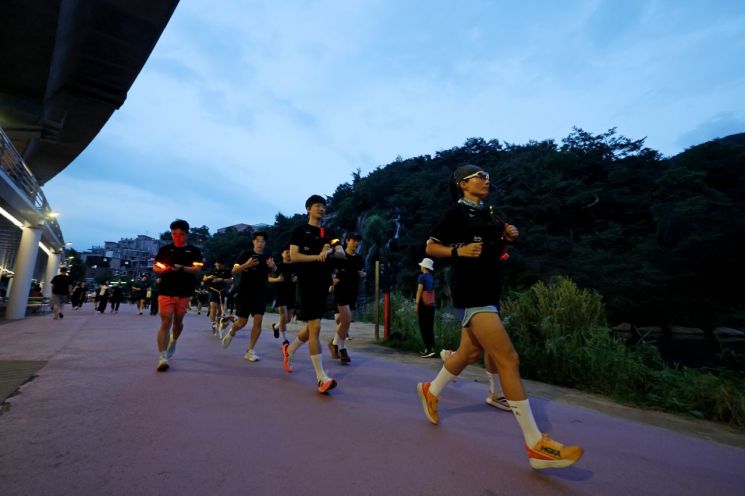
The perception of athleisure as "cost-effective everyday wear" also plays a significant role. Consumers are moving away from purchasing separate outfits for sports and daily use, instead seeking clothing that can adapt to various situations. This efficiency, especially the ability to avoid buying both everyday clothes and activewear separately, aligns closely with the consumption patterns of Millennials & Gen Z.
The explosive growth in the running population has also been a major factor. Leading running crews in Seoul attract hundreds of participants to weekly meetups, and branded running events have become "sold-out events" that fill up within a minute. Running groups operated by companies, local governments, and communities are now a routine part of everyday life. The industry currently estimates the domestic running population at over 10 million people.
Strengthening distribution channels-such as online malls, select shops, and brand-owned offline stores-has also had a direct impact on performance growth. Looking ahead, differences in brand technology, design differentiation, and community management capabilities are expected to further widen the market gap.
© The Asia Business Daily(www.asiae.co.kr). All rights reserved.
![Clutching a Stolen Dior Bag, Saying "I Hate Being Poor but Real"... The Grotesque Con of a "Human Knockoff" [Slate]](https://cwcontent.asiae.co.kr/asiaresize/183/2026021902243444107_1771435474.jpg)
















