Showcasing Electric and Hydrogen Vehicles at the Japan Mobility Show 2025
On October 29, at the Japan Mobility Show 2025, BMW unveiled the new iX3, the first model of the Neue Klasse, for the first time. The new iX3 is a compact electric sports utility vehicle (SUV) and represents the first mass-produced model that embodies the next-generation Neue Klasse platform.
Significant changes have been made to the powertrain, as well as to the interior display, control and operation concepts, and design. All upcoming BMW models will be built on this same platform. According to the company, the domain-based electronic architecture, consisting of four high-performance computers-referred to as "super brains"-forms the foundation of software-defined vehicles (SDVs). With a maximum charging speed of 400 kW, the vehicle can travel 372 kilometers on a 10-minute charge. It also features bidirectional charging capability.
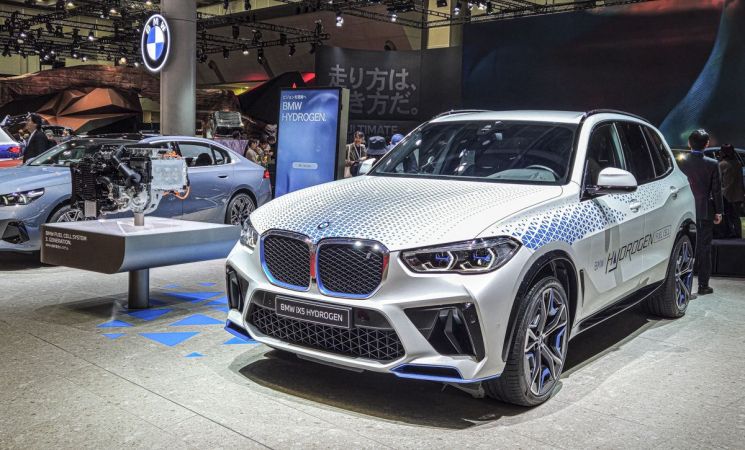
This year’s event also showcased a prototype of the hydrogen electric vehicle iX5 Hydrogen, which is under development for a 2028 launch, along with the hydrogen fuel cell technology applied to it. BMW Group is co-developing hydrogen propulsion technology with Japan’s Toyota. This is the third-generation fuel cell system. Currently, initial prototypes for technology validation are being produced at BMW’s competence centers in Munich and Steyr, Germany. Additional components for the hydrogen propulsion system are supplied by the BMW plant in Landshut.
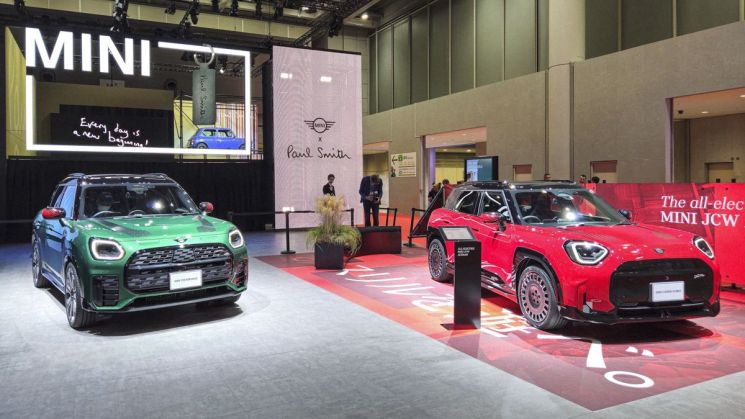
In addition, BMW unveiled the Mini Paul Smith Edition, the result of a collaboration between the compact car brand Mini and the fashion brand Paul Smith, for the first time. The electric model will be sold worldwide, while orders for the internal combustion engine model will begin in the first quarter of next year. The event also featured the M2 CS Special, equipped with a refined high-revving M TwinPower Turbo inline six-cylinder engine, and the three-door concept car BMW Concept Speedtop.
© The Asia Business Daily(www.asiae.co.kr). All rights reserved.


















