Financial Services Commission Holds Insurance Investigation Council with Ministry of Health and Welfare, National Police Agency, and Financial Supervisory Service
Key Achievements of the Special Act on the Prevention of Insurance Fraud and Additional Improvement Measures Discussed
Blocking Re-entry of Insurance Planners Involved in Insurance Fraud
Going forward, insurance companies and corporate insurance agencies (GAs) will be required to verify the history of insurance planners for any record of insurance fraud. Measures will also be promoted to ensure that insurance companies regularly manage and evaluate the internal controls of GAs related to insurance fraud.
The Financial Services Commission announced on October 29 that it held an Insurance Investigation Council meeting with the Ministry of Health and Welfare, the National Police Agency, the Financial Supervisory Service, the National Health Insurance Service, the National Pension Service, the Health Insurance Review and Assessment Service, the Insurance Research Institute, and the Insurance Association.
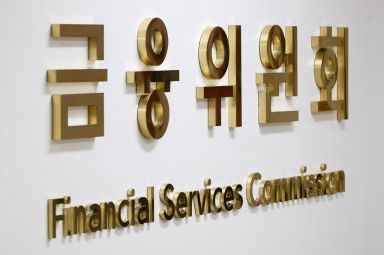
During this meeting, participants discussed the main achievements of the Special Act on the Prevention of Insurance Fraud, which was revised and implemented on August 14 last year; the direction for institutional improvements to eradicate insurance planners’ involvement in insurance fraud; and public relations strategies to prevent insurance fraud. The council also listened to suggestions from relevant organizations such as associations.
The Financial Supervisory Service and the insurance industry confirmed that there has been a tangible preventive effect, with the number of insurance fraud advertisements posted on frequently used internet sites and mobile applications dropping from hundreds to an average of about 10 per month since the law took effect. This was achieved through intensive monitoring of advertisements related to insurance fraud brokerage activities. Through five planned investigations into such advertisements, a total of 3,677 individuals suspected of facilitating or enticing insurance fraud (involving approximately 93.9 billion won in fraudulent claims) were referred for investigation.
By utilizing the newly established right to request data, authorities also confirmed the effectiveness of institutional improvements for information sharing. Investigations into intentional car accidents and forged or altered medical certificates were conducted based on data received from 11 related organizations, including the Ministry of Land, Infrastructure and Transport, the Korea Transportation Safety Authority, Naver, and Kakao, following 17 requests for information.
From January last year to June this year, additional premiums were refunded to 4,391 victims of automobile insurance fraud, totaling 2.14 billion won. To systematically manage long-term unclaimed additional premiums, a plan was also established for non-life insurance companies to contribute dormant insurance funds to the Korea Inclusive Finance Agency.
The council also discussed institutional improvement measures to eradicate the growing number of insurance planners involved in insurance fraud each year. The seriousness of the issue is heightened by the fact that some planners, as industry insiders, use information obtained through their work to participate in insurance fraud by means such as forging or altering medical certificates. However, the internal control systems of insurance companies and GAs to prevent this are currently insufficient. Therefore, the council discussed comprehensive improvements to the system covering the entire process from entry, exit, to re-entry of planners involved in insurance fraud into the recruitment market.
At the entry stage, GAs and insurance companies will be required to check planners’ disciplinary records for insurance fraud in advance through the e-Clean System. The council also discussed ways to enhance the effectiveness of internal disciplinary actions, such as rationalizing the level of sanctions imposed on planners. Measures were also considered to encourage insurance companies to regularly manage and evaluate the internal controls of GAs regarding insurance fraud and to expand the public disclosure of planners with a record of insurance fraud.
There has been an ongoing problem where, even after a planner is convicted of insurance fraud, it takes a long time to impose administrative sanctions, allowing unqualified planners to continue selling insurance. To address this, the council agreed to support the prompt enactment of a special law amendment to swiftly revoke the qualifications of planners involved in insurance fraud and improve the timeliness of administrative actions. The council also discussed making it mandatory for planners with a history of insurance fraud to complete separate legal education upon re-entry, in order to raise compliance awareness and prevent repeat offenses. Moving forward, the council plans to gather opinions from industry stakeholders on these specific measures and revise related regulations accordingly.
The financial authorities will also strengthen public awareness campaigns to prevent insurance fraud. To prevent medical professionals from engaging in insurance fraud, advertisements will be placed in areas with a high concentration of hospitals and clinics, in buildings housing medical facilities, and on online communities exclusive to medical professionals. To prevent insurance fraud among young adults just entering society, messages to eradicate fraud are being delivered through the Toss app, YouTube Shorts, and influencers. To prevent insurance fraud such as intentional car accidents, a wide range of media is being used for public campaigns, including TV public service announcements, large electronic billboards, and bus stop screen advertisements.
An official from the Financial Services Commission said, "We will continue to develop effective measures to prevent insurance fraud and pursue institutional improvements," adding, "We will also continue to promote premium discounts and refunds so that the prevention of insurance fraud leads to consumer protection for policyholders and others."
© The Asia Business Daily(www.asiae.co.kr). All rights reserved.
![Clutching a Stolen Dior Bag, Saying "I Hate Being Poor but Real"... The Grotesque Con of a "Human Knockoff" [Slate]](https://cwcontent.asiae.co.kr/asiaresize/183/2026021902243444107_1771435474.jpg)















